
What Size Oak Beam Do I Need?
Choosing the right size oak beam is often what makes the difference between a feature that looks considered and one that feels slightly off. Even with the right finish and placement, proportions play a huge role in how the beam sits within the room.
At Traditional Beams, we produce made-to-order beams for a wide range of applications, from fireplace features through to full ceiling layouts. One of the most common challenges customers face is knowing how large or small a beam should be for their space, particularly when working from measurements alone.
This guide breaks the process down into clear, practical steps. We’ll look at how to measure properly, how different beam sizes work across common applications, and how to make sure the final result feels balanced within your home rather than oversized or underwhelming.
In this guide, we’ll cover:
- How to measure for an oak beam correctly
- How to judge the right proportions for your space
- Recommended sizing for fireplaces, ceilings and openings
- How beam size affects the overall look of a room
- Common mistakes to avoid when choosing sizes
How to Measure for an Oak Beam

Before thinking about beam size, it’s important to get a clear set of measurements. This isn’t just about the width of the space, but how the beam will sit within it and how much presence you want it to have.
Key Measurements to Take
When measuring for an oak beam, focus on three main areas:
Overall width
Measure the full span where the beam will sit. For fireplace beams, this means the width of the opening. For ceilings, it could be the full width of the room or the spacing between beams.
Overhang
In many cases, particularly for fireplaces and openings, the beam will extend slightly beyond the feature it sits above. This small detail helps create a more balanced look and prevents the beam from feeling too tight to the opening.
Projection and depth
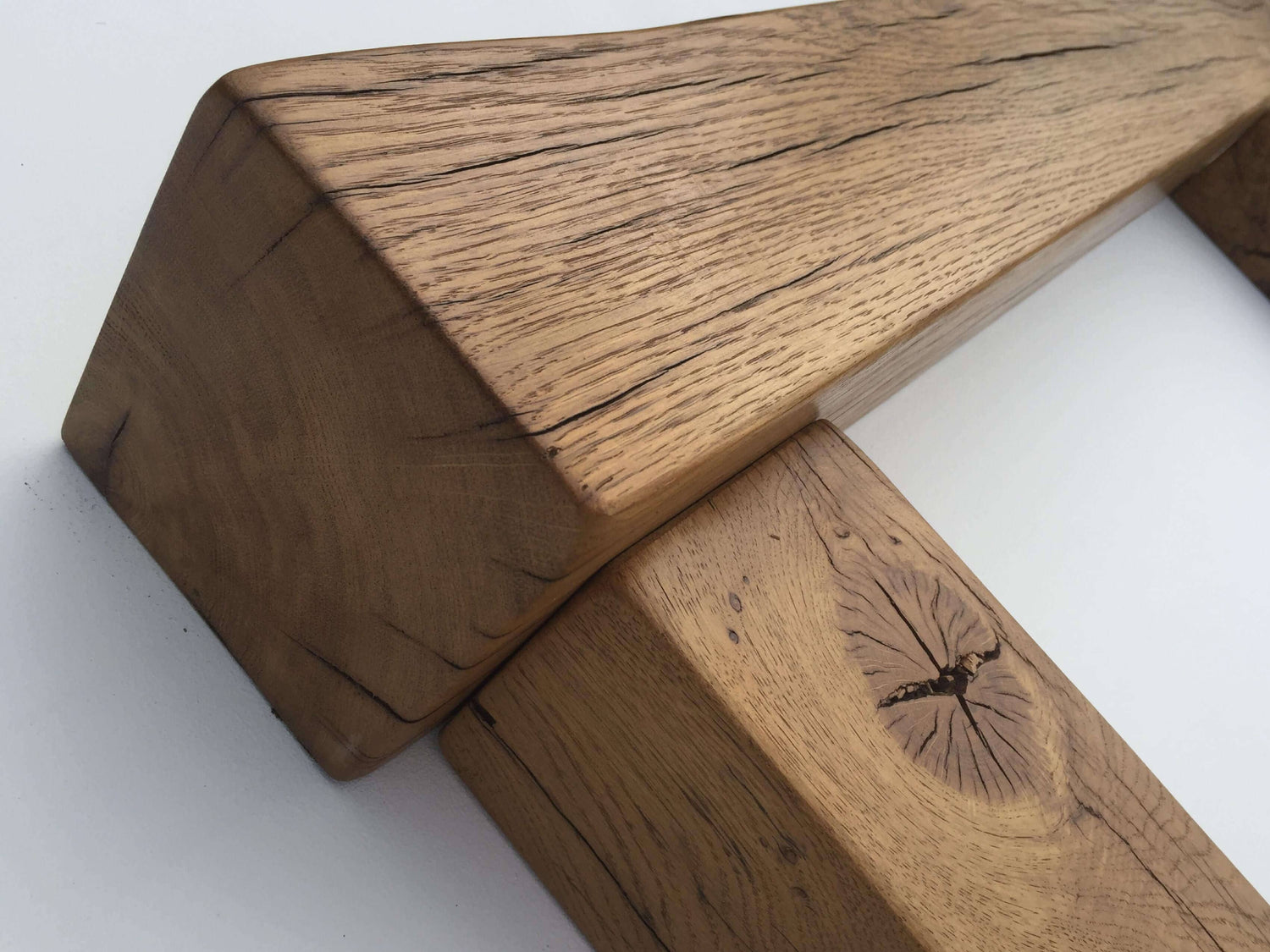
This is often overlooked, but it’s one of the most important aspects. The depth determines how far the beam stands out from the wall or ceiling, which directly affects how prominent it feels in the room.
A More Practical Way to Measure
Rather than relying on exact numbers straight away, it can help to step back and look at the space as a whole.
Start by measuring the width, then consider how much presence you want the beam to have. In some rooms, a subtle feature works better, while in others a more substantial beam helps anchor the space.
If the beam is being used alongside other features such as oak fireplace beams or oak window beams, it’s worth measuring everything together. This helps avoid situations where one element feels out of scale with the rest.
Understanding Oak Beam Proportions

Once you have your measurements, the next step is understanding how those numbers translate visually. A beam might fit perfectly within the space on paper, but still feel out of place once installed if the proportions aren’t right.
What Affects Proportion?
Several factors influence how a beam will look in a room:
- Ceiling height
- Overall room size
- The width of the space
- The number of beams being used
- Other features, such as fireplaces or shelving
These elements all work together, which is why choosing a beam in isolation can sometimes lead to the wrong result. One of the simplest ways to approach this is to think less about exact measurements and more about visual weight.
Smaller rooms tend to suit slimmer beams that don’t overpower the space
Medium-sized rooms benefit from a balanced beam that adds presence without dominating
Larger or open-plan spaces often need deeper, more substantial beams to hold their own across the room
This approach is particularly useful when planning multiple beams, where consistency and spacing become just as important as the size itself.
|
Room Type |
Beam Approach |
|
Compact rooms |
Slim, more refined beams |
|
Standard living spaces |
Balanced depth and width |
|
Large or open-plan areas |
Deeper, more substantial beams |
Starting with the Right Size for the Job
Different applications call for different sizing approaches, and this is where it helps to think about how the beam will actually be used.
A fireplace beam needs to feel defined and central, while a ceiling or structural beam has to work as part of a wider layout. Beams above doors and windows are more subtle, acting as a framing detail rather than a focal point. Because of this, there isn’t a single “correct” size. Instead, it’s about choosing proportions that suit both the space and the purpose.
Once you’ve got your measurements and a feel for proportion, the next step is applying that to how the beam will actually be used. This is where sizing becomes much more practical, because different areas of the home call for different approaches.
Rather than trying to find one “perfect” size, it’s more useful to think about how each beam will function within the space.
Fireplace Beams

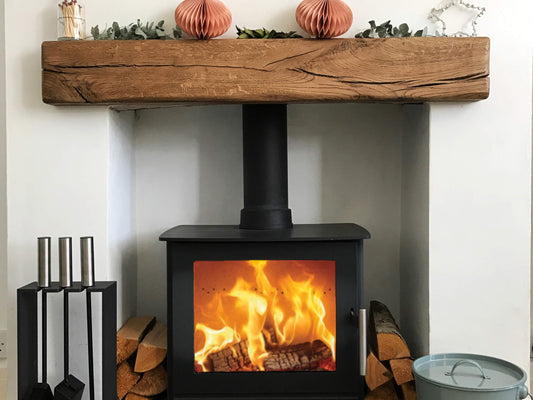
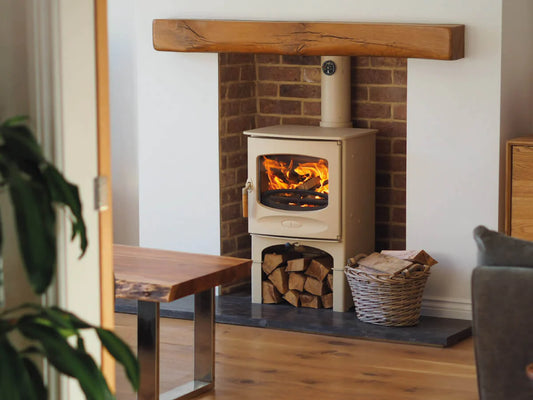
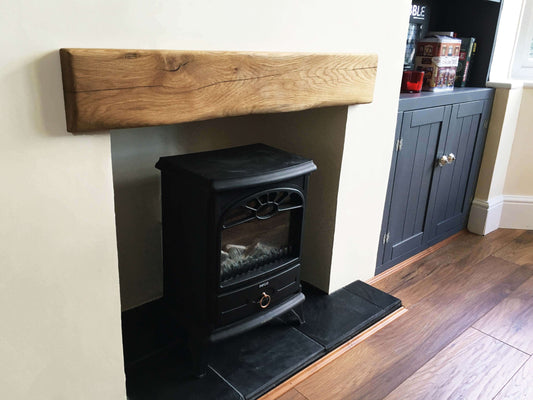
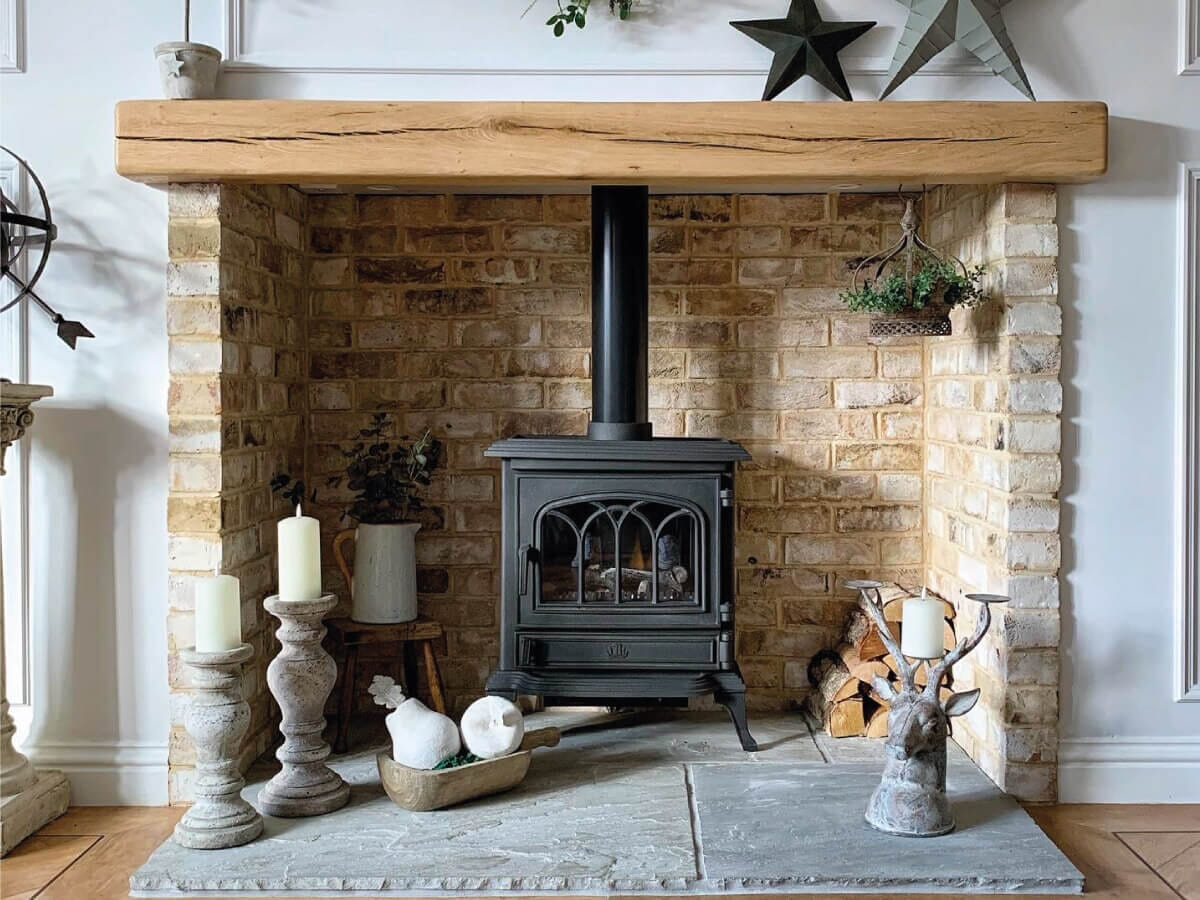
Fireplace beams are usually one of the most noticeable features in a room, so getting the size right here is important. They need enough presence to frame the opening, but not so much that they overpower it.
A common approach is to size the beam slightly wider than the fireplace opening, allowing for a small overhang on each side. This helps the beam feel properly anchored rather than tightly fitted.
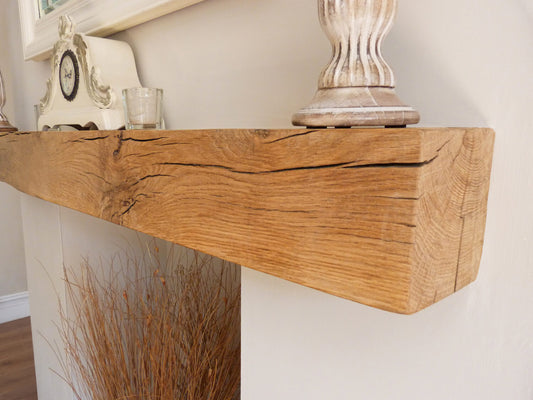
Depth is where most of the visual impact comes from. In smaller rooms, a more modest depth tends to work better, keeping things in proportion. In larger spaces or inglenook fireplaces, a deeper beam can help hold its presence and create a stronger focal point.
It’s also worth thinking about how the beam sits alongside other elements. If you’re pairing it with a fireplace surround or additional features, keeping proportions aligned with your oak fireplace beams will make the overall design feel more considered.
Ceiling Beams

Ceiling beams behave very differently from fireplace features. Instead of acting as a single focal point, they work as part of a repeated pattern across the room. In rooms with lower ceilings, slimmer beams tend to feel more comfortable and prevent the space from becoming too heavy. As ceiling height increases, you can introduce deeper beams without them feeling intrusive.
Spacing also plays a role. Even well-sized beams can look out of place if they’re positioned unevenly, so it’s worth planning the layout at the same time as choosing the size.
Where installation or weight is a concern, hollow box beams are often used. They allow you to achieve the same visual effect without the practical limitations of solid timber, particularly in larger ceiling layouts.
Window and Door Beams

Door and window beams are more subtle, but they still need to feel intentional. In most cases, these beams are sized slightly wider than the opening they sit above. This creates a natural framing effect and avoids the beam feeling too narrow for the space.
Depth is usually kept more restrained compared to fireplace or ceiling beams. The aim here isn’t to dominate the room, but to introduce a layer of detail that complements the surrounding features.
When used across multiple openings, consistency becomes important. Keeping sizes aligned across windows and doors helps create a cleaner, more unified look, particularly when using oak window beams throughout the space.
Shelving and Alcove Beams

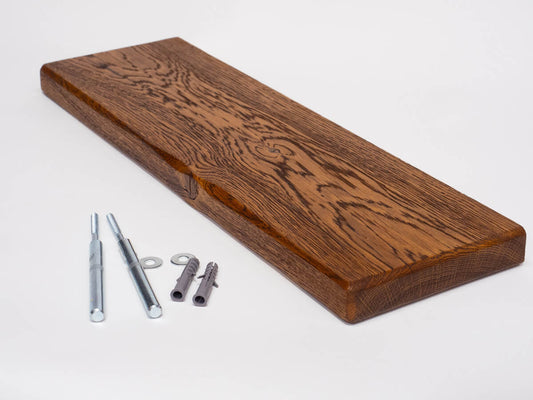
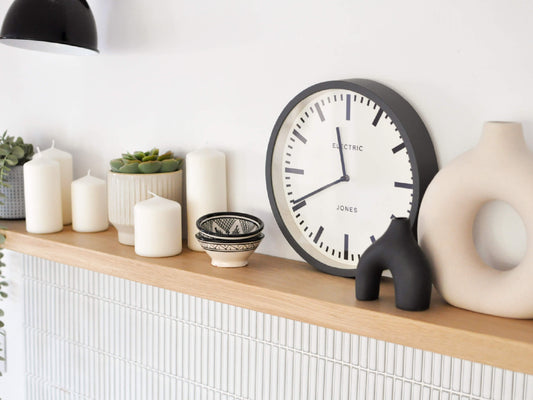
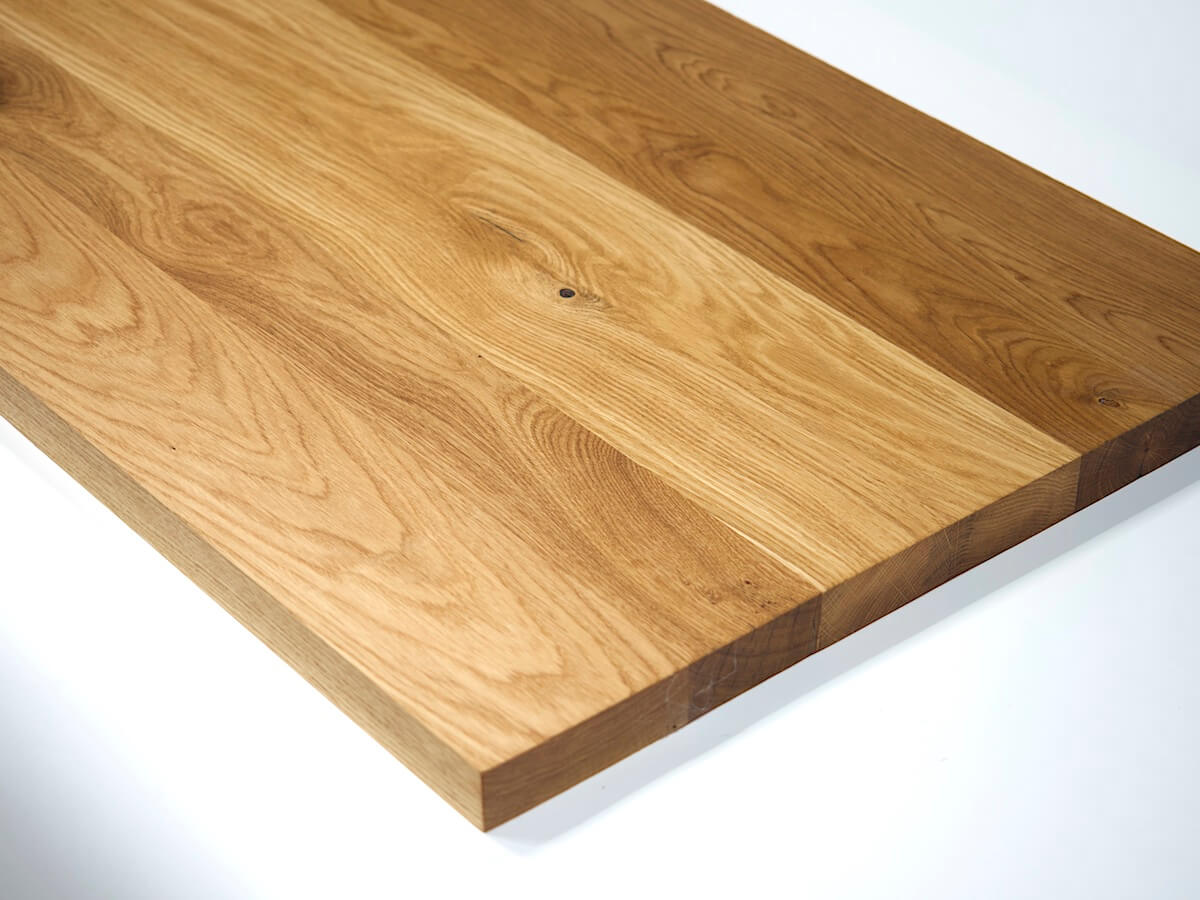
When beams are used as shelves, the sizing needs to balance both appearance and practicality. Depth becomes the key factor here. A shallow beam may look right visually but won’t offer much usable space, while a deeper beam can provide functionality without losing its character.
Thickness also plays a role. Matching the beam size with other elements in the room, such as oak shelves, helps create a more cohesive finish, especially in alcoves or built-in areas.
This is often where smaller adjustments in size make a noticeable difference, particularly when the beam is being used regularly rather than purely as a feature.
Oak Beams: Common Sizing Mistakes
Even with careful planning, there are a few common issues that tend to come up when choosing oak beam sizes. Most of them come down to proportion rather than measurement.
Going Too Small
This is probably the most frequent mistake. A beam that’s too shallow or narrow can feel lost, especially in larger rooms where it doesn’t have enough presence to stand out.
Oversizing in the Wrong Space
On the other hand, larger beams aren’t always better. In smaller rooms, oversized beams can make the space feel heavier than it needs to, particularly on ceilings or above openings.
Treating Every Application the Same
A ceiling beam, a fireplace beam and a window beam all serve different purposes. Using the same size across every application can lead to a result that feels slightly off, even if each beam works individually.
Ignoring the Wider Room
It’s easy to focus on the beam itself, but it should always be considered as part of the wider space. Wall finishes, ceiling height and surrounding features all influence how the beam will look once it’s installed.
Oak Beam Sizing: Checklist
Before committing to a size, it can help to take a step back and run through a quick mental check.
- Does the beam feel in proportion to the space around it?
- Will it sit comfortably alongside other features?
- Is it acting as a focal point, or supporting the wider design?
- Would a slightly deeper or slimmer option feel more balanced?
Sometimes small adjustments are all that’s needed to move from something that works to something that feels properly finished.
How Far Should an Oak Beam Overhang?

Overhang is one of those small details that makes a noticeable difference to how finished the beam looks. If a beam sits exactly flush with the feature below it, it can feel slightly tight or incomplete. Adding a small overhang on each side helps frame the space and gives the beam a more intentional presence.
Typical Overhang Approach
Fireplace beams - A small extension either side of the opening usually creates a more balanced look
Window and door beams - A subtle overhang helps reinforce the framing effect without drawing too much attention
Oak Shelves - Overhang is less relevant here, but alignment with surrounding features still matters
The key is to keep it consistent. Even a small difference in overhang from one side to the other can make the beam feel slightly off.
Spacing Multiple Beams Correctly
When working with more than one oak beam, spacing becomes just as important as size. Even well-sized beams can feel out of place if the gaps between them aren’t consistent or don’t suit the room.
What to Aim For
- Equal spacing across the full width of the room
- Consistent beam size throughout
- A layout that works with the shape of the space
In longer rooms, slightly wider spacing can help avoid the ceiling feeling too busy. In more compact spaces, tighter spacing can add structure without overwhelming the room.
A practical way to approach this is:
- Measure the full width of the ceiling
- Decide how many beams you want
- Divide the space evenly, allowing for beam width
This gives you a rough spacing plan before installation and helps avoid last-minute adjustments.
Adjusting Beam Size for Different Rooms

Not every room should be treated the same, even within the same house. What works in a large living area won’t always translate into a smaller room or hallway.
Living Rooms and Open Spaces
These areas can usually handle larger beams, particularly if ceilings are higher or the layout is open. A slightly deeper beam helps maintain presence and stops the feature from feeling too light.
Kitchens and Dining Areas
In these spaces, beams often sit alongside cabinetry, lighting and other features. Keeping sizes balanced is important so that nothing feels dominant or out of place.
Bedrooms and Smaller Rooms
A more restrained approach tends to work better here. Slimmer beams help maintain a sense of space while still adding character.
Hallways and Transitional Spaces
These areas benefit from consistency rather than scale. Matching beam sizes across doorways or openings often creates a cleaner, more connected feel.
A Final Sizing Check Before Ordering
Before committing to an oak beam size, it’s worth doing one final check with the room in mind rather than the measurements alone.
- Does the beam feel in proportion to the wall or ceiling it will sit on?
- Will the depth feel comfortable when viewed from the main angles in the room?
- If using multiple beams, is spacing consistent across the full width?
- Are smaller details like overhang and alignment working evenly?
If something feels slightly off at this stage, it’s usually worth adjusting before ordering. Small changes in depth or width can have a noticeable impact once the beam is installed.
Bringing It All Together
Sizing oak beams is less about exact numbers and more about how everything works together once it’s in place.
When width, depth and spacing are all considered as part of the same decision, the result tends to feel far more natural. The beam sits comfortably within the space, whether it’s acting as a feature or supporting the overall design. Getting this right early on not only improves the final look, but also makes the installation process far more straightforward.
Ready to Choose Your Oak Beam?
Explore our full collection of oak beams to find the right size and profile for your space. With made-to-order options available, it’s easy to match your measurements and achieve a more balanced, considered result.
Oak Beam Sizing: FAQs
How deep should an oak beam be for a fireplace?
Depth usually depends on the size of the opening and the room. Larger fireplaces can handle deeper beams, while smaller spaces tend to suit more modest profiles.
What’s the best spacing for ceiling beams?
Spacing should be even across the room, with the number of beams chosen to suit the width of the space. Consistency is more important than exact measurements.
How much overhang should I allow on each side?
A small, even overhang on both sides is usually enough to create balance. The exact amount will depend on the size of the feature below the beam.
Can I use the same beam size in every room?
It’s possible, but adjusting sizes slightly for different rooms often produces a better overall result, particularly where ceiling heights or room sizes vary.
Does beam thickness matter as much as width?
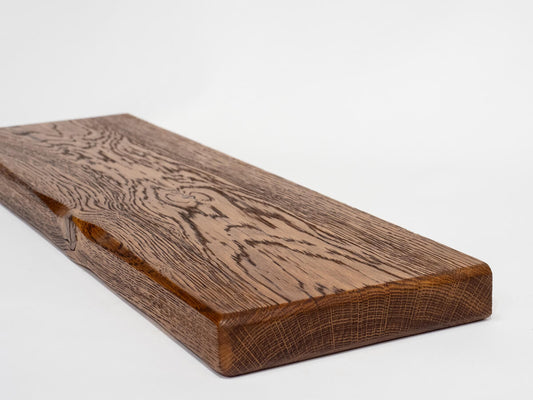
Thickness plays a big role in how the beam looks once installed, often more so than width. It affects how much the beam stands out from the surface.