
Where Can Oak Beams Be Used? Ideas for Every Room
Oak beams are often associated with period properties, but in reality they’re far more versatile than that. Used well, they can introduce structure, warmth and definition into almost any space, whether you’re working with a traditional home or a more modern interior.
At Traditional Beams, we see beams used in a wide range of ways. Some customers are looking to recreate original features, while others simply want to break up a flat wall or ceiling and add more depth to the room. In both cases, the result usually comes down to placement. A well-positioned beam can completely change how a space feels, while a poorly placed one can feel like an afterthought.
This guide explores where oak beams work best throughout the home, focusing on practical, real-world applications rather than just style. The aim is to help you understand not just where beams can go, but how to use them in a way that feels balanced and intentional.
In this guide, we’ll cover:
- Where oak beams can be used across different rooms
- How they function as both features and subtle details
- Practical ways to introduce beams without structural changes
- How to create a consistent look across your space
Living Rooms: Creating a Focal Point That Feels Natural

Living rooms are usually where oak beams have the most noticeable impact, largely because they tend to centre around one key feature.
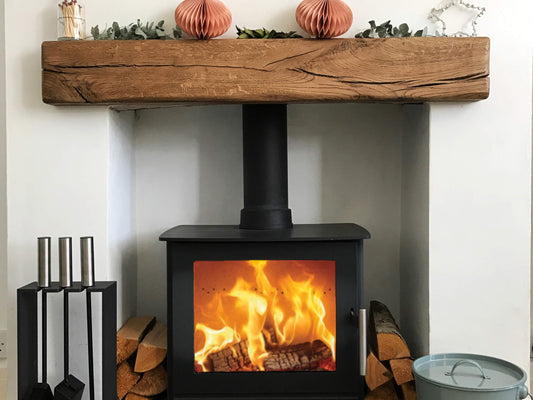
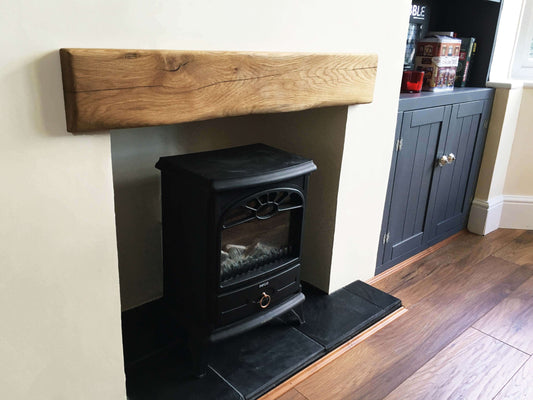
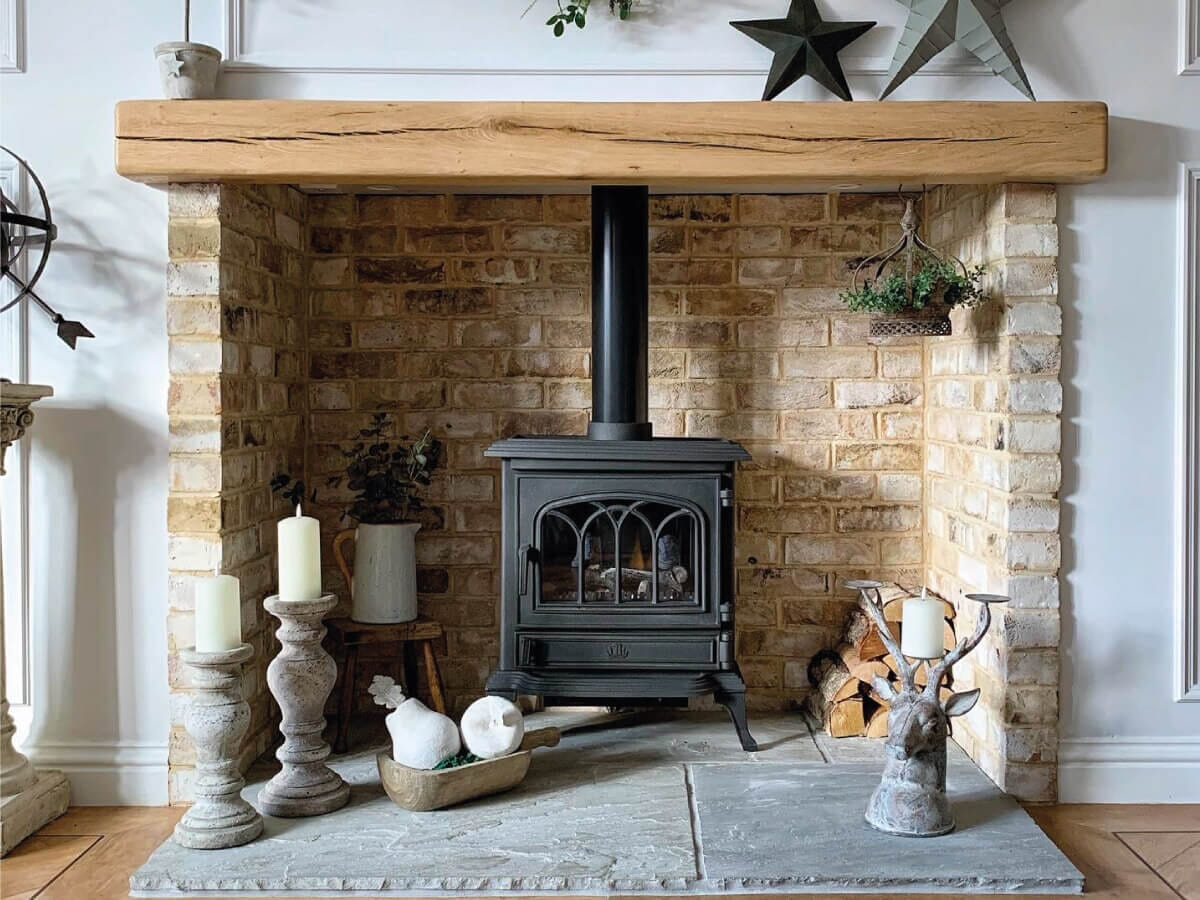
In many homes, that feature is the fireplace. Adding a beam above it helps define the space and gives the room a clearer focal point, particularly in layouts where the walls might otherwise feel quite plain. The beam doesn’t need to be oversized, but it does need to feel in proportion to the opening and the surrounding wall.
Where Beams Work Best in Living Rooms
- Above fireplaces using oak fireplace beams to anchor the space
- Paired with oak fireplace surrounds to create a more complete feature
- Across ceilings to introduce structure in open-plan layouts
- Along feature walls or alcoves to break up larger flat areas
Beyond fireplaces, beams can also be used across ceilings to introduce structure. This is particularly effective in open-plan living areas, where large uninterrupted ceilings can make the space feel slightly undefined. Even a small number of beams can add rhythm and help break the room into more usable zones.
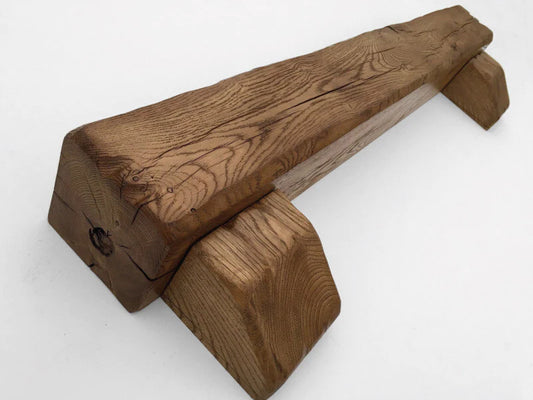
Where installation or weight is a concern, especially with multiple beams, hollow box beams can offer a more practical way to achieve the same look without adding unnecessary complexity.
Kitchens: Adding Structure Without Overcrowding the Space

Kitchens tend to have more going on visually, so beams need to work a little harder to feel balanced. Cabinetry, lighting and appliances already create strong lines within the space, which means any additional feature should complement those elements rather than compete with them.
- Use fewer beams, placed more deliberately
- Align beams with cabinetry, islands or ceiling lines
- Keep profiles slightly more refined in tighter spaces
- Introduce subtle detailing rather than large statement features
Ceiling beams can be particularly effective in kitchen-diners, where they help break up larger spaces without interrupting the flow. In narrower kitchens, a single beam or a small number of evenly spaced beams is often enough to introduce detail without overwhelming the room.
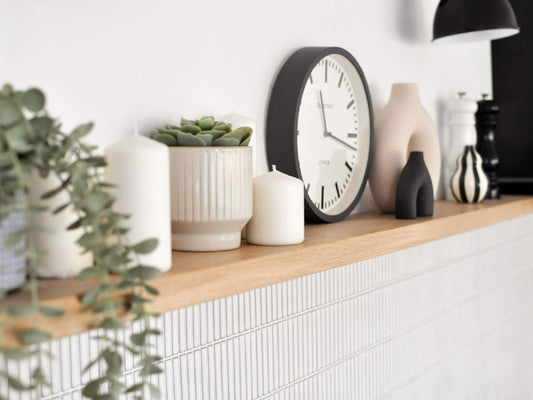
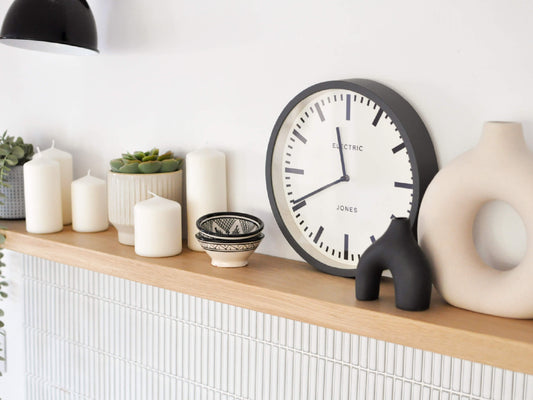
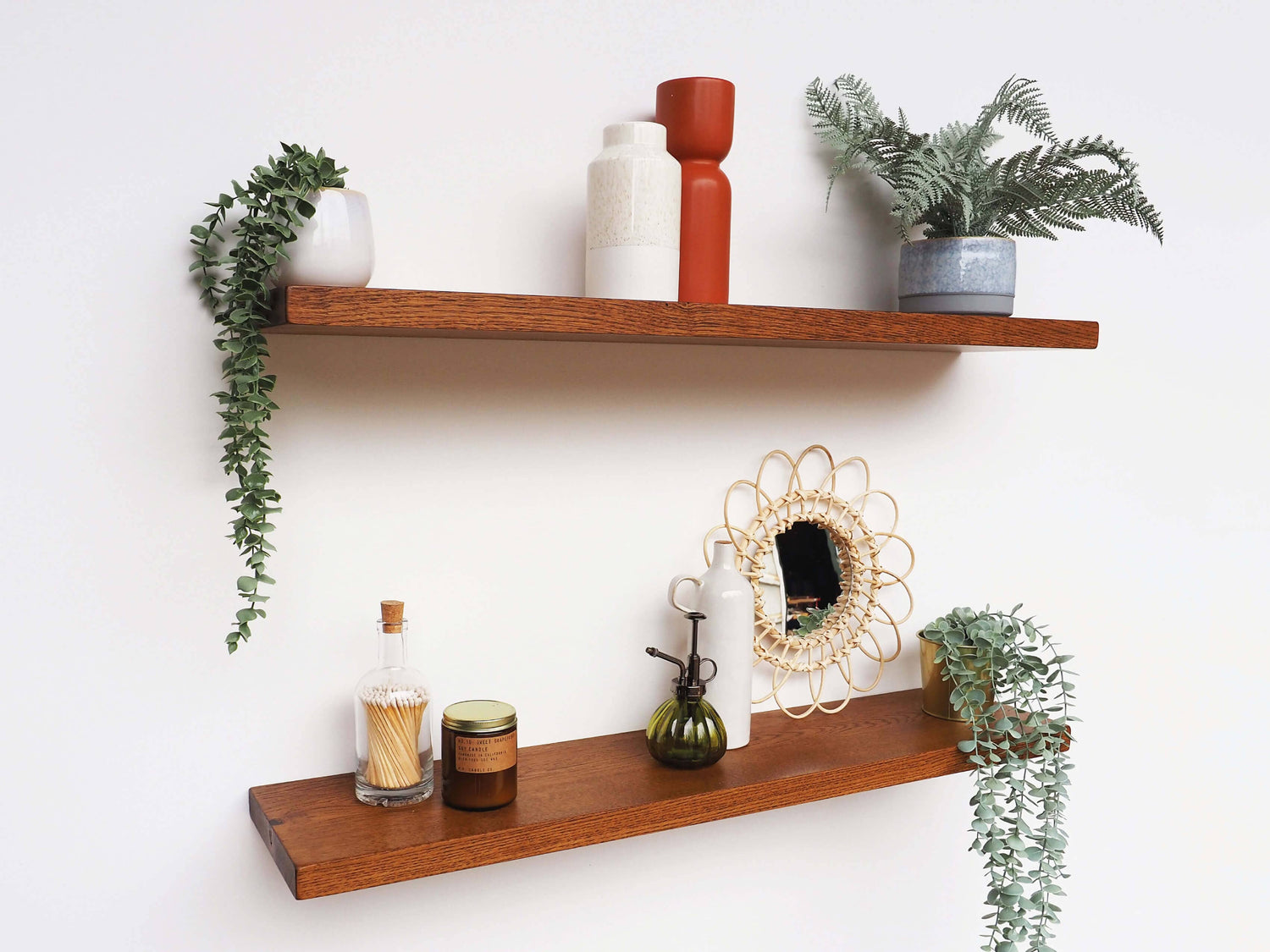
Beams can also be used more functionally in kitchens. Incorporating oak shelves or oak floating shelves alongside beams allows you to combine storage with design, creating features that feel both practical and considered. In this type of space, restraint tends to produce a better result than trying to make the beam the main feature.
Dining Areas: Subtle Ways to Define the Space

Dining areas often sit within larger rooms, which can leave them feeling slightly undefined without some form of visual structure. Oak beams can be used to introduce that structure in a way that still feels open and connected.
- Position beams directly above the dining table
- Run beams in line with the table to reinforce the layout
- Use beams to mirror architectural features such as alcoves
- Combine with surrounding features like oak shelves for added depth
This approach creates a natural visual boundary without the need for walls or partitions, helping the space feel more intentional. In more traditional layouts, beams can also be aligned with existing features in the room, reinforcing the natural shape of the space rather than competing with it.
Unlike living rooms, where beams often act as a focal point, in dining areas they tend to play more of a supporting role. When used carefully, they help define the space without drawing attention away from how the room is actually used.
Bedrooms: Keeping It Subtle and Balanced

Bedrooms benefit from a lighter touch. Unlike living areas, where beams can take centre stage, here they tend to work best as a supporting detail that adds warmth without overwhelming the space.
A single beam or a small number of evenly spaced beams is often enough to introduce character. Anything more substantial can start to feel heavy, particularly in rooms with lower ceilings.
- Slimmer beams that sit comfortably within the ceiling height
- Simple layouts rather than complex beam patterns
- Softer finishes that don’t dominate the room
- Pairing beams with oak shelves for subtle, functional detailing
In this setting, the goal is to enhance the space rather than define it. When used carefully, beams can add just enough texture to stop the room feeling flat without disrupting the overall calm feel of a bedroom.
Hallways and Entrances: Adding Character Early

Hallways are often overlooked, but they’re one of the easiest places to introduce oak beams effectively.
Because these spaces are usually narrower and more transitional, even small details can have a noticeable impact. A beam placed above a doorway or across the ceiling can immediately add character and help connect different parts of the home.
- Install oak window beams or fascia beams above doorways
- Add a single ceiling beam to break up long corridors
- Repeat beam styles across multiple openings for consistency
These small additions help create a stronger first impression and can make the home feel more considered from the moment you walk in.
Fireplaces: A Natural Focal Point

If there’s one place where oak beams consistently work, it’s around the fireplace.
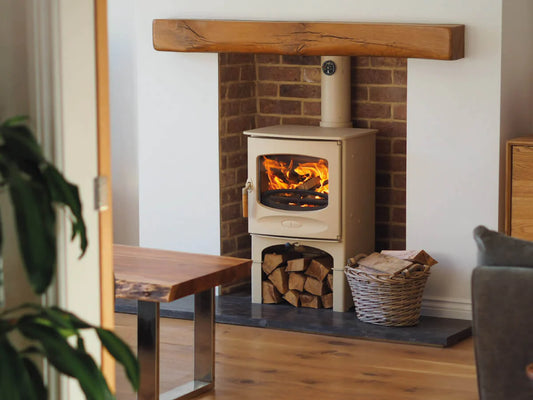
They naturally draw the eye, and adding a beam above the opening helps frame the space and give it more definition. Whether you’re working with a traditional fireplace or a more modern log burner setup, a beam can help anchor the entire room.
Common Fireplace Setups
- A single beam above the opening using oak fireplace beams
- A full feature combining beams with oak fireplace surrounds
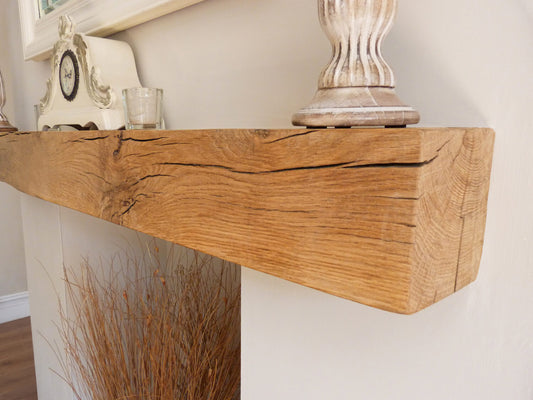
- Simpler mantel-style beams for more modern interiors
It’s worth noting that this is one of the few areas where a slightly more substantial beam often works in your favour, as it helps the feature hold its presence within the room.
For projects where weight or installation is a concern, particularly in media walls or retrofit spaces, hollow box beams can offer a practical alternative while maintaining the same visual effect.
Ceilings: Changing How a Room Feels

Ceiling beams can have a bigger impact than almost any other application, simply because they affect the entire space rather than one focal point. In larger rooms, they help break up wide, flat ceilings and introduce rhythm. In smaller spaces, they can add just enough detail to stop the room feeling plain, provided the sizing is kept in proportion.
Two Common Approaches
- Feature Beams
Used more sparingly to highlight a specific area, such as above a seating space or dining table.
- Full Ceiling Layouts
Multiple oak beams spaced evenly across the ceiling to create a more structured look.
When planning ceiling beams, consistency is key. Even well-sized beams can feel out of place if spacing is uneven or doesn’t suit the shape of the room.
For larger layouts or where structural weight is a concern, hollow box beams are often the preferred option, allowing you to achieve the same look with a more practical installation.
Doors and Windows: Small Details That Make a Difference

Adding beams above doors and windows is one of the simplest ways to introduce character without making major changes to the space. These beams act as a framing detail rather than a feature, helping define openings and add depth to otherwise flat walls.
- Above internal doorways to create a more traditional feel
- Across window openings using oak window beams
- Repeated across multiple openings for consistency
This approach is particularly effective in newer homes, where architectural detailing is often minimal. Even a small addition here can make the space feel more complete.
Shelving and Alcoves: Practical and Visual

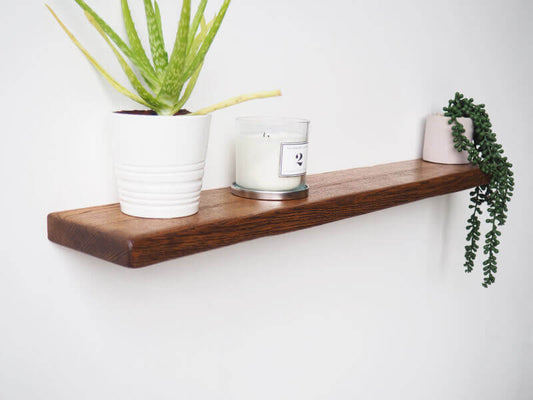
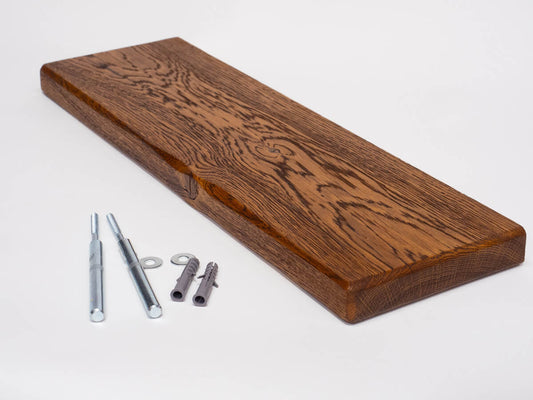
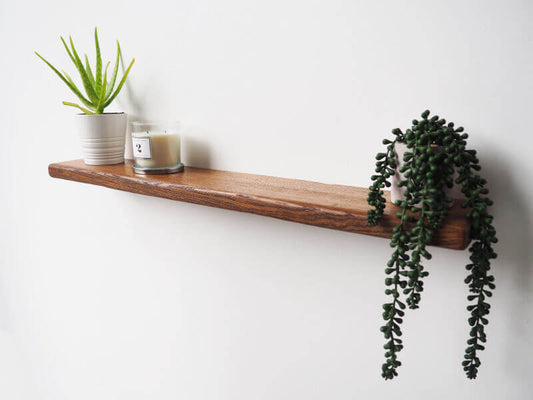
Oak beams aren’t limited to decorative use. In many cases, they can be incorporated into features that are used every day. Alcoves are a good example of this. Beams can be used as shelves, providing storage while still contributing to the overall look of the room.
- Use beams as standalone shelves in alcoves
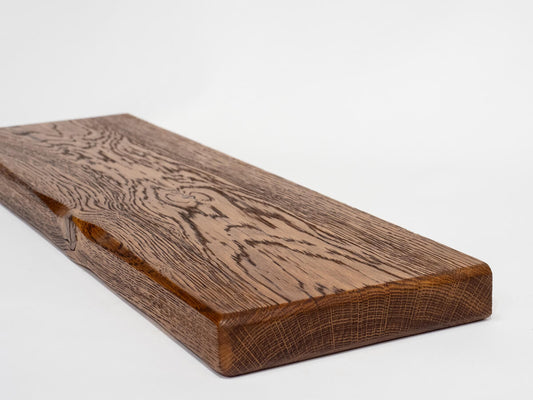
- Pair with oak floating shelves for a more flexible layout
- Match finishes across beams and shelving for a cohesive look
This is often where beams move beyond being purely visual and become part of how the space functions, which can make them feel more integrated overall.
Modern vs Traditional Homes: Adapting the Look

Oak beams aren’t limited to one style of home. The way they’re used tends to shift depending on the space, but the core idea remains the same, introducing structure and warmth without overcomplicating the design.
In Traditional Homes
Beams are often used more prominently and with added texture.
- Deeper, more substantial profiles
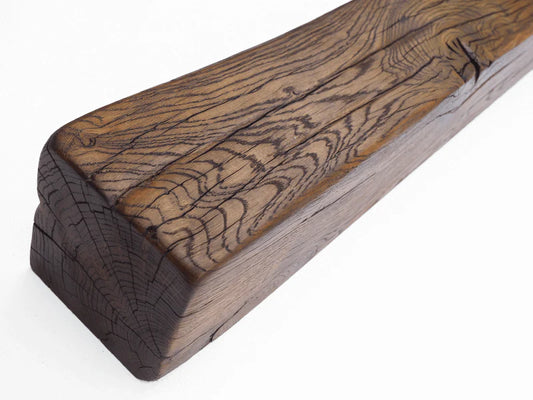
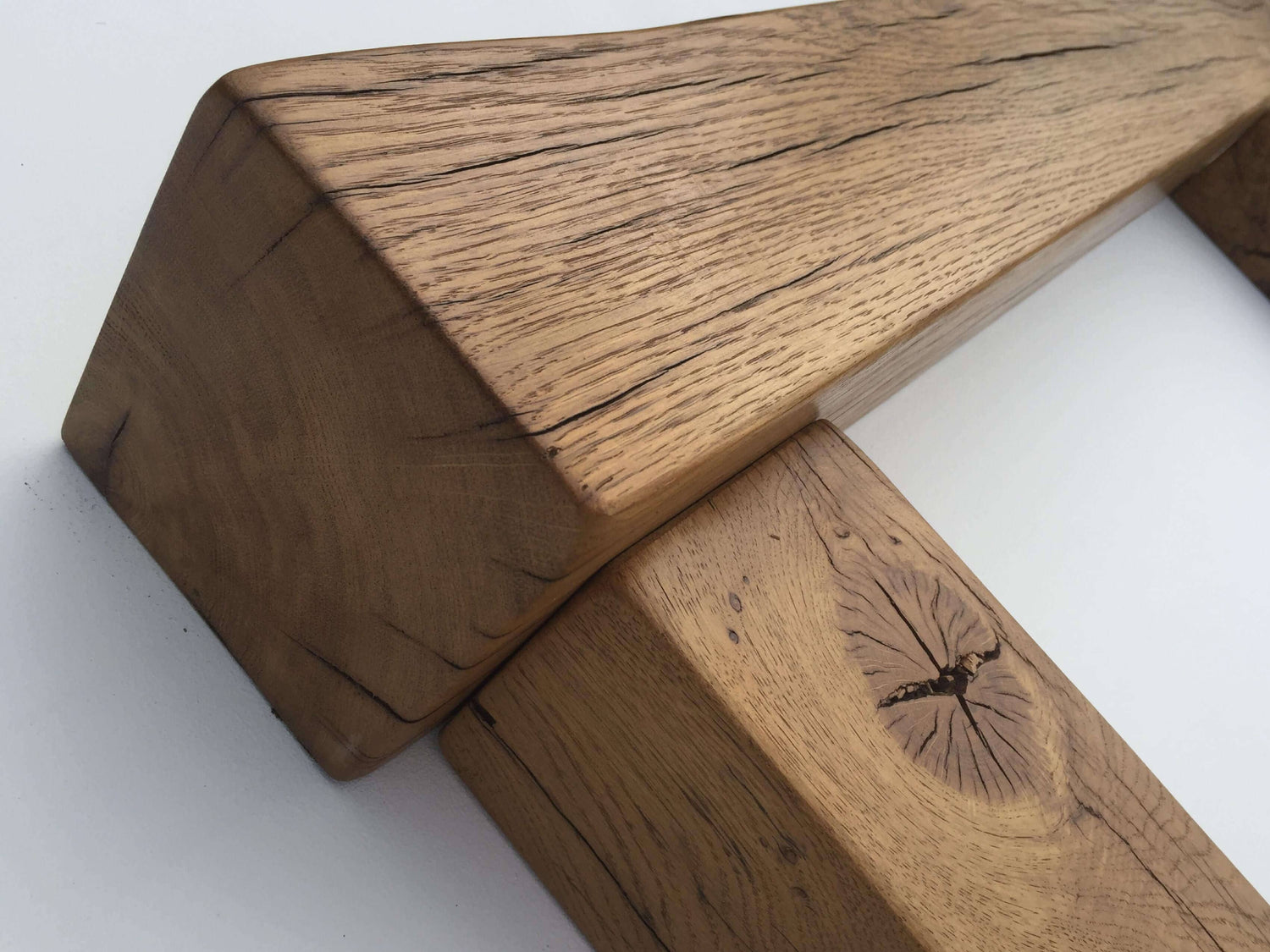
- Rustic or aged finishes
- Feature areas such as fireplaces and ceiling layouts
- Combined with oak fireplace surrounds and oak fireplace beams for a more complete look
In these settings, beams tend to reinforce what’s already there, working with existing materials like brick, stone and plaster.
In Modern Interiors
The approach is usually more restrained.
- Cleaner lines and smoother finishes
- Fewer beams, placed more deliberately
- Used to break up flat surfaces rather than dominate the space
- Often paired with subtle details like oak window beams or oak floating shelves
Here, beams act more as a design tool than a focal point, helping soften the space and introduce natural material without making it feel overly traditional.
In many homes, the most effective result sits somewhere between the two. A single feature beam, supported by smaller details such as shelving or window beams, can create a more layered and considered look without committing fully to either style.
Creating a Cohesive Look Across Your Home

Oak beams tend to have the most impact when they’re part of a wider approach rather than a one-off addition. That doesn’t mean every room needs beams, but there should be a sense that the material has been used deliberately across the space.
Bringing Everything Together
- Repeat similar finishes across beams, shelving and fireplace features
- Use oak fireplace beams and oak fireplace surrounds to anchor key rooms
- Introduce oak window beams in smaller areas to carry the detail through
- Combine beams with oak shelves or oak floating shelves to add function as well as style
- Use hollow box beams where needed to maintain consistency without structural limitations
This approach helps create a natural flow from room to room. Even small details can make a difference, particularly when they’re repeated in a consistent way.
If you’re unsure where to begin, it often helps to focus on one key area first. For many homes, this is the living room or fireplace. Once that feature is in place, it becomes easier to introduce smaller elements elsewhere that tie everything together without feeling forced.
Start Planning Your Oak Beam Layout
Now that you’ve seen where oak beams can be used throughout the home, you can start exploring options that suit your space. Browse our full range of oak beams, oak fireplace beams and hollow box beams to find styles, sizes and finishes that work together as part of a more considered design.
If you’re not sure where to start, we’re always happy to help you plan a layout that feels balanced and works across your home.

Oak Beam Planning: FAQs
Can oak beams be used throughout the whole house?
They can, although it’s usually more effective to use them selectively and carry the material through in smaller details rather than repeating the same feature in every room.
Do oak beams only suit older properties?
They’re often associated with traditional homes, but with the right sizing and finish they can work just as well in modern interiors.
What’s the easiest way to introduce oak beams into a room?
Starting with a single feature, such as above a fireplace or across a ceiling, is often the simplest way to introduce beams without overcommitting.
Can I add beams without structural changes?
In many cases, yes. Features such as hollow box beams allow you to achieve the look of solid timber without altering the structure of the building.
How do I keep oak beams from feeling too heavy?
Choosing the right size, limiting the number of beams and balancing them with lighter elements in the room usually helps maintain a more comfortable feel.