
Solid Oak Beams vs Box Beams: Which Should You Choose?
If you’re planning to install oak beams, there’s a good chance you’ve already come across two options: solid oak beams and box beams. At first glance, they can look very similar, but the way they’re made and how they perform in a space is quite different. For many projects, the decision comes down to practical considerations such as weight, installation and how the beam will be used, rather than appearance alone.
At Traditional Beams, we regularly help customers work through this exact choice. In some cases, a solid beam is the clear option. In others, a hollow beam provides a much more straightforward solution without compromising the overall look.
This guide is designed to help you make that decision with confidence. We’ll break down the key differences, explain where each option works best and highlight the situations where choosing one over the other can make the whole project easier.
In this guide, we’ll cover:
- The key differences between solid and box beams
- When a hollow beam is the more practical solution
- How weight and installation affect your choice
- Which option works best for different applications
What’s the Difference Between Solid and Box Beams?
The simplest way to understand the difference is to look at how each beam is constructed.
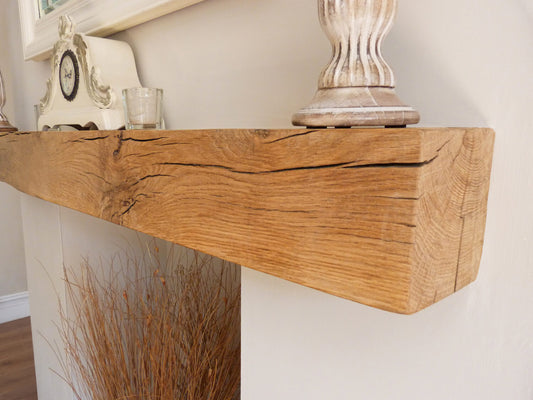
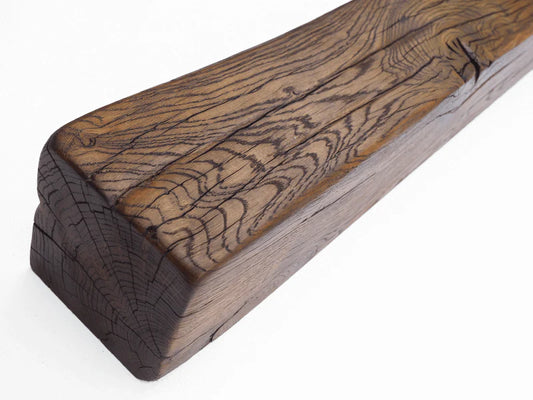
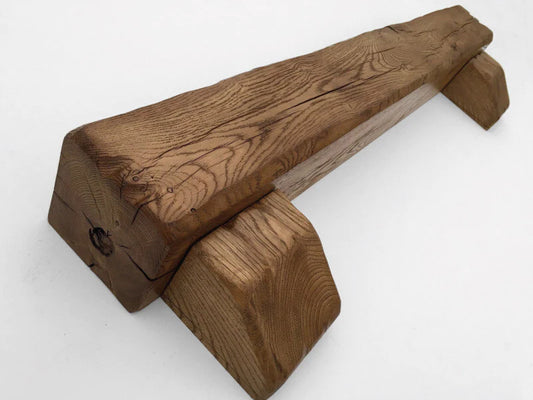
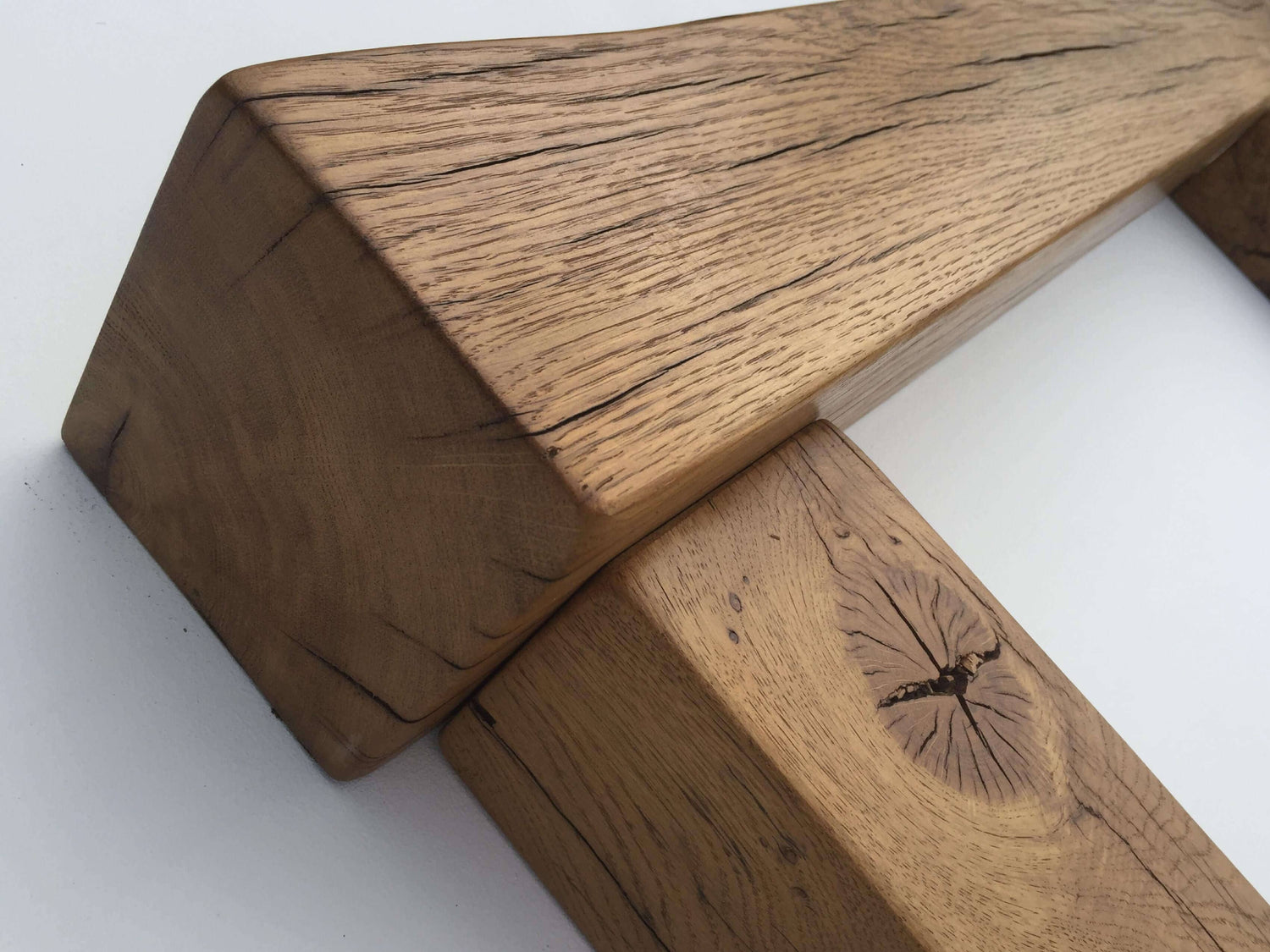
A solid oak beam is cut from a single piece of timber. It carries the full weight and natural variation of the wood, which gives it a strong physical presence and a more traditional feel.

A box beam, often referred to as a faux beam or RSJ cover, is hollow. It’s made by joining sections of timber to create the shape of a beam, with the outer faces designed to replicate the look of solid oak.

From a visual point of view, the two can be very close, especially once installed and finished. The real difference becomes clearer when you consider how each option behaves within the space.
How Weight and Installation Influence Your Choice
Weight is one of the biggest practical differences between the two options, and it often shapes the decision more than anything else.
Solid oak beams are heavy by nature. That weight contributes to their presence, but it also means installation needs to be planned carefully. Depending on the size and location, additional support or more involved fitting may be required.
Box beams are significantly lighter, which makes them easier to handle and install. This can reduce both installation time and complexity, particularly in ceiling applications or where access is limited.
A Simple Way to Think About It
If the beam is being installed as a feature with strong visual presence, solid oak is often the preferred option
If the beam needs to be practical, lightweight or flexible, a box beam is usually the better fit
Neither option is inherently better, but understanding how weight affects installation helps make the decision much clearer.
Solid Oak vs Box Beams: Side-by-Side Comparison
At a glance, solid and box beams can seem like two versions of the same thing. In reality, the differences tend to show up once you start thinking about how the beam will be installed and used day to day.
Rather than listing features in isolation, it’s more useful to look at how they compare in practical situations.
|
Consideration |
Solid Oak Beams |
Box Beams |
|
Installation |
Heavier, often requires more planning |
Quicker and easier to fit |
|
Ceiling use |
Can be restrictive due to weight |
Ideal for multiple beam layouts |
|
Structural coverage |
Not designed to wrap around steel |
Designed to cover RSJs cleanly |
|
Flexibility |
Fixed dimensions based on timber |
Easier to adapt to specific sizes |
|
Visual presence |
More substantial and defined |
Slightly lighter in appearance |
The key takeaway here is that the choice often comes down to what the beam needs to do, not just how it looks.
Where Solid Oak Beams Work Best

Solid beams come into their own when the beam is meant to be seen and felt as a feature within the room.
They’re typically the better option when:
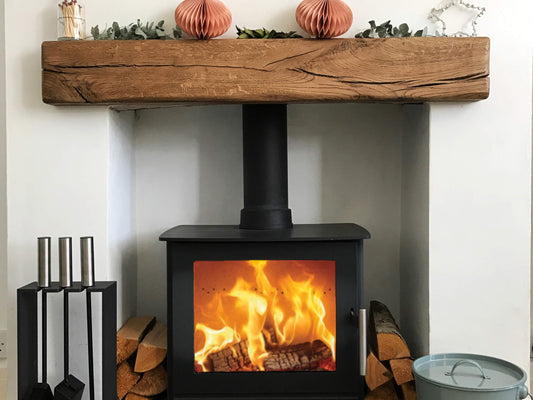
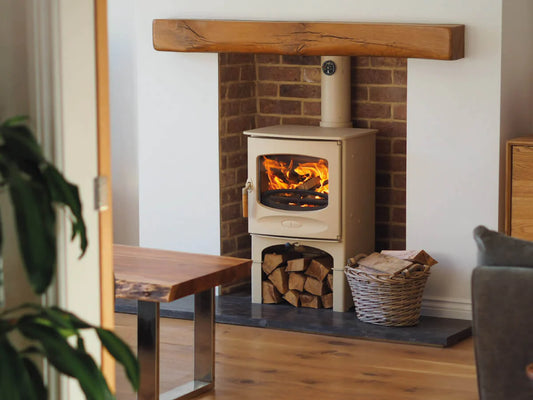
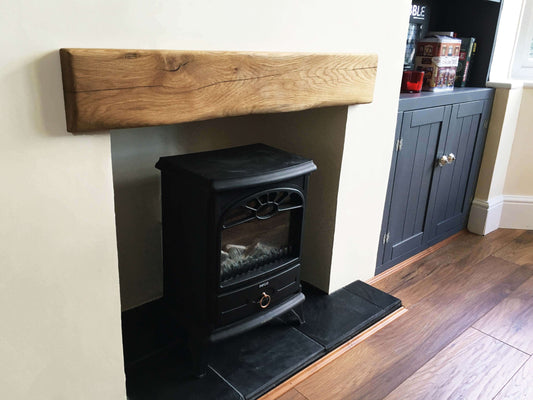
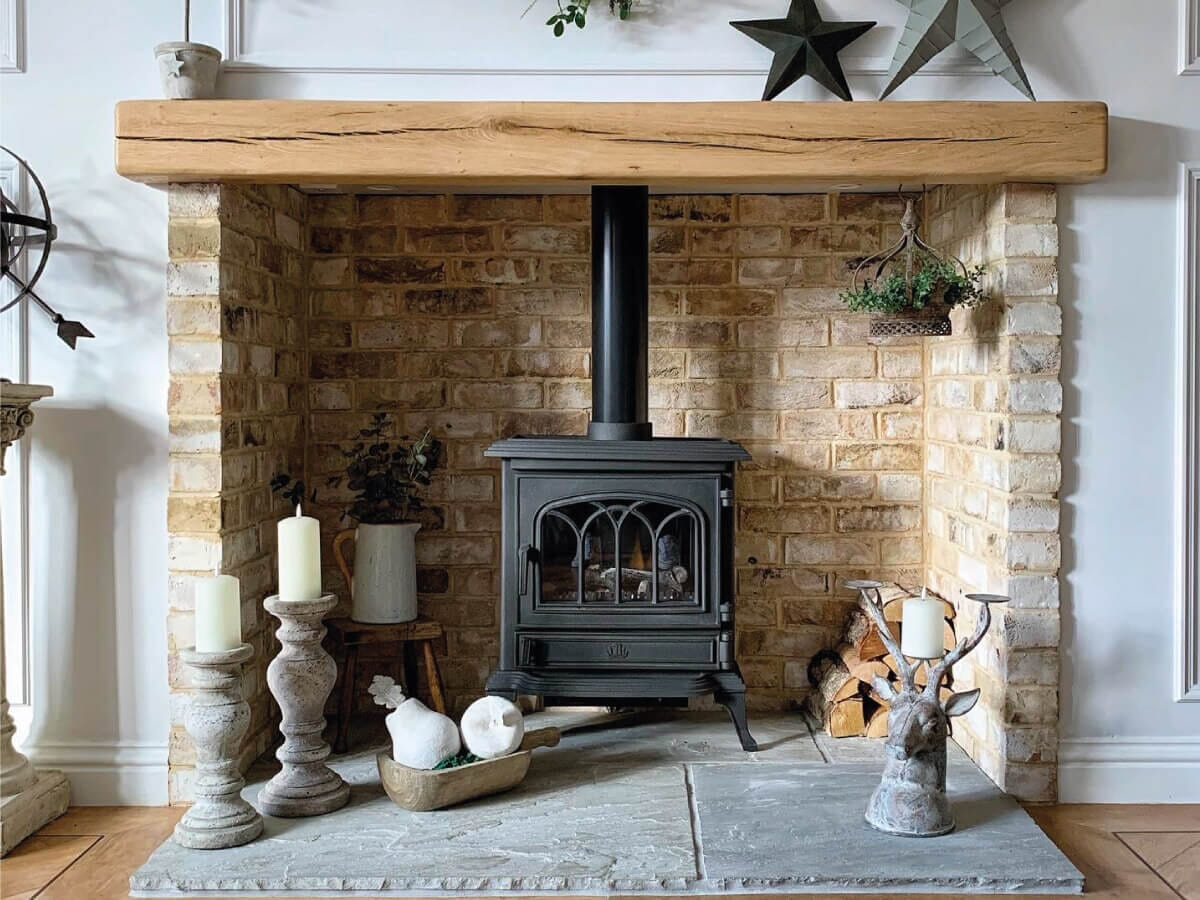
- The beam is a central focal point, particularly above a fireplace
- You want the full character and variation of natural oak
- The space can comfortably support the weight and installation
- The beam is positioned at eye level, where detail matters more
In these situations, the depth and presence of solid timber are difficult to replicate. This is why they’re often used for statement features such as oak fireplace beams, where the beam plays a defining role in the overall design.
When a Hollow Box Beam Works Best

In many cases, the decision to use a box beam isn’t about preference, it’s about practicality. There are situations where a solid beam simply isn’t the most suitable option, even if it’s the original intention.
Common Scenarios Where Box Beams Are the Better Fit
Covering structural steel (RSJs)
A hollow beam can be fitted around existing steelwork, creating a clean timber finish without altering the structure.
Ceiling installations
In rooms where weight is a concern, particularly with multiple beams, a lighter option can make installation far more manageable.
Retrofit projects
When working within an existing space, box beams allow you to introduce the look of oak without major structural changes.
Longer spans
Hollow beams can often be produced in longer lengths more easily than solid timber, which is useful in larger rooms.
In these situations, hollow box beams provide a practical solution that still delivers the visual impact most people are looking for.
Using Both Together in the Same Space

In many projects, the best solution isn’t choosing one or the other, but using both where they make the most sense.
A common approach is:
- Using solid oak as a fireplace beam, window beam or fireplace surround.
- Pairing this with box beams on the ceiling to create consistency without adding unnecessary weight
This allows you to keep the visual language consistent across the space while making practical decisions behind the scenes. When finished in the same tone, the difference between the two is often minimal, but the impact on installation and usability can be significant.
How to Decide Which Is Right for You
If you’re still weighing things up, it usually comes down to a few key questions rather than a long list of features.
- Is the beam a feature or a supporting element?
- Will weight or installation make a difference in your space?
- Are you working around existing structures such as steel beams?
- Do you need flexibility in size or layout?
If the beam is central to the design and the space allows for it, solid oak is often the natural choice. If practicality is a factor, or the beam needs to work around existing constraints, a box beam will usually be the better option.
Bringing It All Together
Both solid oak beams and box beams can achieve a similar overall look, but they solve different problems. Solid beams bring weight, presence and natural character, making them ideal for features that are meant to stand out. Box beams offer flexibility, ease of installation and a practical way to introduce timber detail into spaces where solid beams aren’t suitable.
Understanding that difference makes the decision much clearer. Instead of choosing based on appearance alone, you can choose the option that actually works best for your space.tra
Find the Right Beam for Your Project
Explore our collection of oak beams and hollow box beams to compare options and choose a solution that works for your space, your layout and your installation.

Solid Oak vs Box Beams: FAQs
Do box beams look noticeably different once installed?
In most cases, the difference is subtle, especially when the beams are finished well and viewed as part of the overall space rather than in isolation.
Are solid oak beams always worth the extra weight?
They’re often preferred for feature areas where presence matters, but they aren’t always necessary for every application.
Can box beams be used for fireplaces?
They can be used in some situations, but solid beams are more commonly chosen where the beam is a focal point above a fire.
Is installation much easier with box beams?
Because they are lighter, they are generally easier to handle and install, particularly on ceilings or across larger spans.
Can I mix both types without it looking inconsistent?
When finished in the same tone and used thoughtfully, both can work together without creating a noticeable difference.