
Why Do Floating Shelves Sag? Common Problems and How to Fix Them
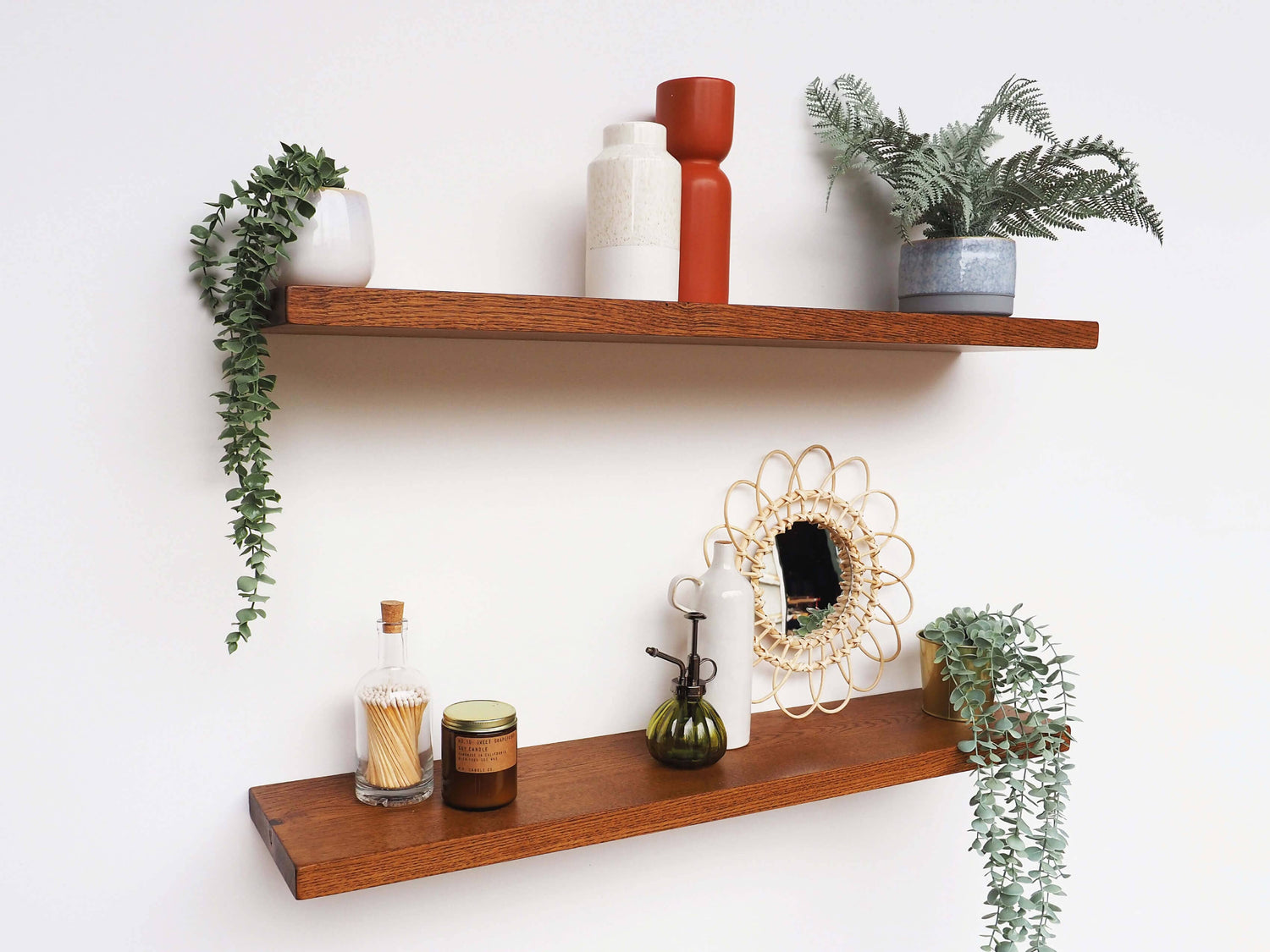
Floating shelves are a great way to add practical storage without bulky brackets taking up space on the wall. Whether you're displaying books, keeping everyday essentials within reach or adding a few decorative touches, a well-fitted floating shelf should feel sturdy and secure.
But what happens when your shelf starts to dip at the front, develops a gap against the wall or feels slightly loose when you touch it?
These are fairly common floating shelf problems, and they don't necessarily mean there's anything wrong with the shelf itself. Often, the issue comes down to the fixings, the type of wall or the amount of weight being supported. Understanding what's causing the problem is the first step towards putting it right.
We'll look at the most common reasons floating shelves sag or come loose, how to identify potential fixing problems and what you can do to keep your shelves securely in place. If you haven’t put your shelves up on the wall yet, don’t forget to check out our guide to Installing Floating Shelves.
Why Are My Floating Shelves Sagging?

A floating shelf should sit level against the wall, with its concealed brackets providing support from behind. If the front edge starts to dip downwards, something may be affecting how the shelf is supported. There are several possible explanations, and some are easier to resolve than others.
1. The Shelf Is Carrying Too Much Weight
Every floating shelf has a maximum recommended load, determined by its dimensions, fixings and the wall it's attached to. Exceeding that limit can put additional strain on the brackets, causing the shelf to gradually tilt forwards. Even when the total weight is within the recommended capacity, how that weight is distributed can make a difference.
For example, a row of heavy books positioned along the front edge places more leverage on the fixings than the same books positioned closer to the wall.
If you've noticed your floating shelf sagging after adding heavier items, remove them and check whether the shelf returns to its original position. If it remains tilted, the fixings may have moved and should be inspected before the shelf is used again.
2. The Fixings Aren't Suitable for the Wall
One of the most common causes of loose or sagging floating shelves is using fixings that aren't appropriate for the wall construction. Solid brick and masonry walls generally provide a firm fixing surface when the correct anchors are installed. Plasterboard walls require a different approach, as the fixings need to support the shelf without pulling through the board.
At Traditional Beams, we supply fixing systems designed for different installations, including concealed brackets for solid walls and dedicated plasterboard fixings for suitable plasterboard installations.
However, even the correct type of fixing needs to be installed properly. Poorly drilled holes, unsuitable anchors or weak wall material can all affect how securely the shelf is supported.
3. The Shelf Needs More Support
Longer or deeper floating shelves can place greater demands on their fixings, particularly when they're used for heavier items. The depth of a shelf is especially important because objects positioned further from the wall create additional leverage on the brackets.
We supply additional fixings with longer shelf lengths to provide the support required for the particular product. If you're installing a shelf from another manufacturer, it's worth checking its recommended bracket spacing and fixing requirements.
A shelf that isn't adequately supported may begin to dip, even when the weight placed on it seems relatively modest.
4. The Brackets Have Started to Move
Sometimes the shelf itself is perfectly sound, but the fixings behind it have loosened. This can happen if the original installation wasn't secure, the wall material has deteriorated or the shelf has been subjected to repeated movement.
Look for signs such as:
- A Gap Between the Shelf and Wall: Particularly along the upper edge.
- A Shelf That Moves When Touched: Even a small amount of movement can indicate a fixing problem.
- Crumbling Plaster Around Fixing Points: This may suggest the anchors are no longer properly supported.
- A Noticeable Forward Tilt: Especially if the shelf was previously level.
If you notice any of these problems, unload the shelf before inspecting it. A loose floating shelf shouldn't be used until the cause has been identified and the installation made secure.
Can Natural Oak Movement Cause a Shelf to Sag?

It's worth distinguishing between natural movement in the timber and problems with the shelf fixings.
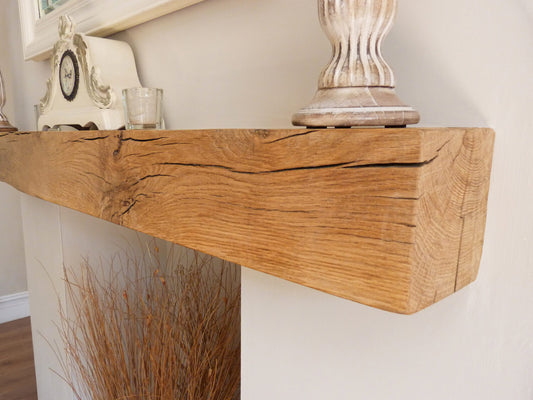
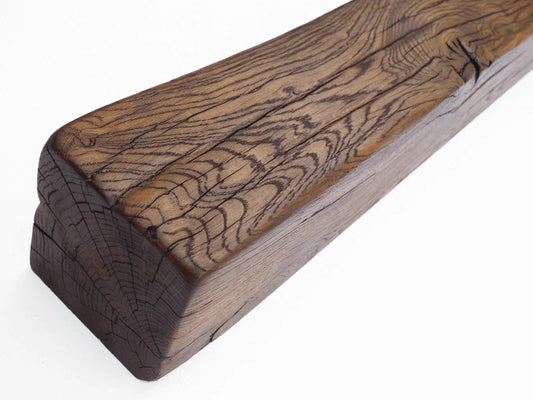
Solid oak responds to changes in temperature and humidity. Over time, you may notice small cracks, slight variations in the timber or subtle changes in its appearance. These are natural characteristics of real wood and don't automatically indicate a problem with the shelf. If you’re still debating between solid oak and MDF shelves, we’ve covered the differences in our guide: Solid Wood Shelves vs MDF: What's the Difference?
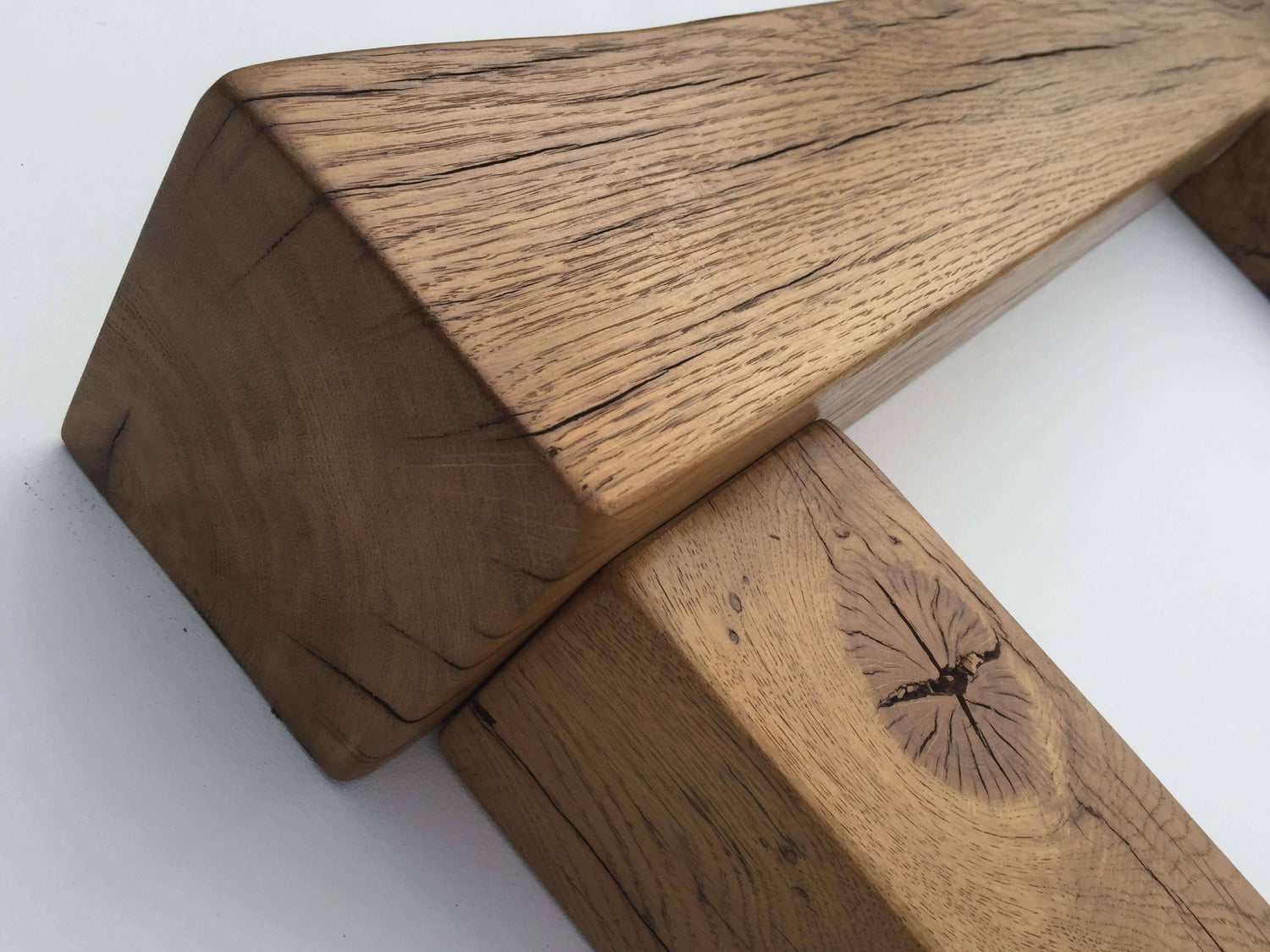
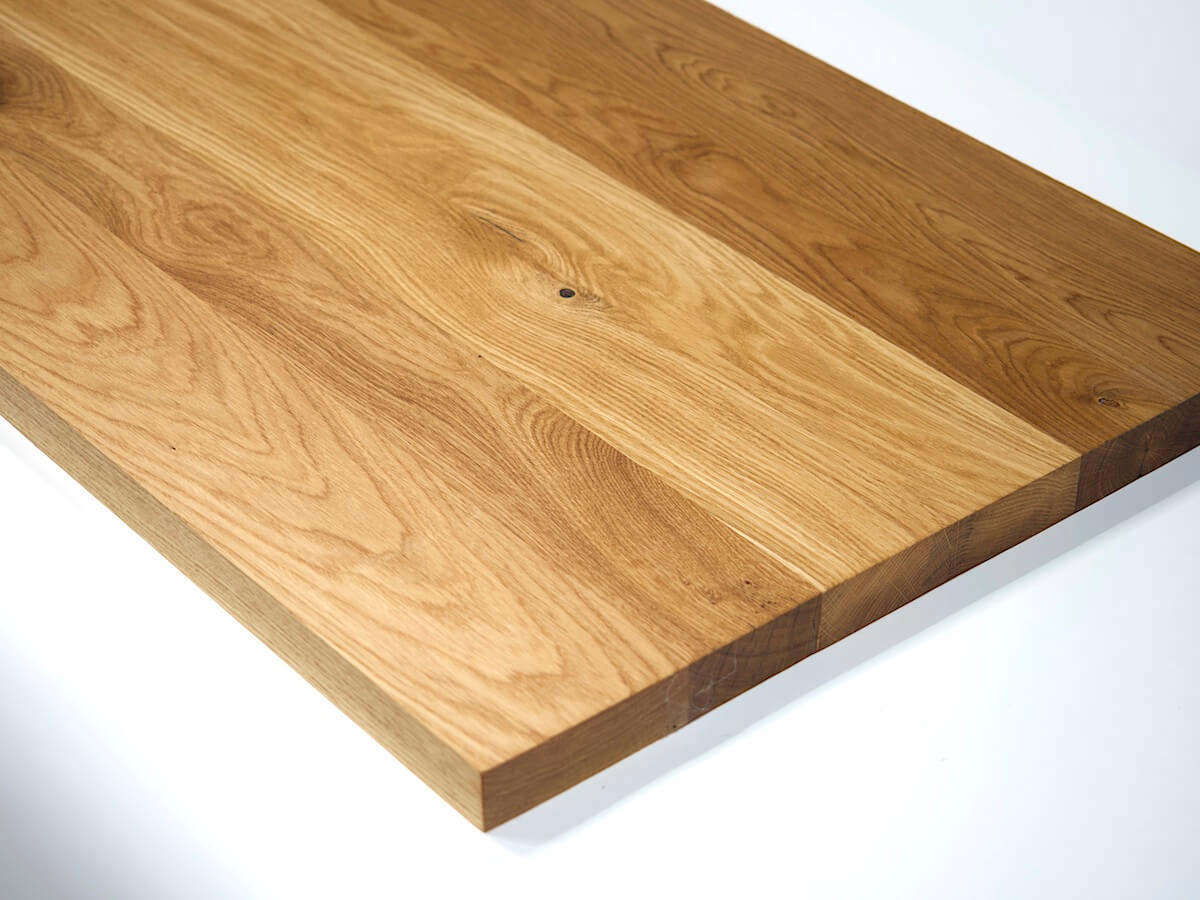
Our solid oak floating shelves are handcrafted primarily from kiln-dried European oak, with selected air-dried options available for a more rustic finish. Both are prepared to help minimise movement once installed.
Shelves positioned near heat sources, such as above radiators, may experience additional movement as the timber responds to changing conditions. However, a shelf that is noticeably tilting forwards or separating from the wall shouldn't be dismissed as natural timber movement. These symptoms are more likely to require an inspection of the fixings and supporting wall.
How to Stop Floating Shelves Pulling Away from the Wall
A floating shelf pulling away from the wall is something to address promptly. Even a small gap can indicate that the brackets or wall anchors are no longer providing the support they should. The first step is to remove everything from the shelf and look at where the movement is occurring.
|
What you're noticing |
What could be causing it |
|
The shelf is tilting forwards, but the wall looks undamaged |
Loose brackets, excessive loading or inadequate support |
|
Screws or anchors are coming away from plasterboard |
Unsuitable fixings or damage to the plasterboard |
|
The shelf has a gap along its upper edge |
Movement in the concealed brackets or fixing points |
|
Plaster is cracking or crumbling around the fixings |
The wall material may no longer be providing adequate support |
|
The shelf moves when gently touched |
Loose or incorrectly installed fixings |
Check the Wall Before Replacing the Fixings
Different wall constructions require different installation methods, so it's important to identify what you're fixing into.
Brick and masonry walls
Solid walls can provide excellent support for floating shelves, provided the fixings are suitable for the material and installed into sound masonry. If a fixing has become loose, simply tightening it may not solve the problem. The original hole or surrounding material may have deteriorated, meaning the installation needs reassessing.
Plasterboard walls
Plasterboard installations require particular care because the board itself has a limited load-bearing capacity. If an anchor has started pulling through the board, the damaged fixing point shouldn't be reused without an appropriate repair and assessment of the wall.
We have dedicated plasterboard fixings for shelves installed on suitable plasterboard walls between 9mm and 15mm thick. You can also take a look at our shelves for plasterboard walls range to find shelves perfectly crafted for your wall type.
Stud walls
Where timber studs are available, securing suitable fixings directly into the structural timber can provide a stronger fixing point than relying on plasterboard alone. It’s important to remember that the bracket arrangement, stud positions and shelf dimensions all need to be considered before installation.
What If the Shelf Keeps Coming Loose?
If you've already tightened or replaced the fixings and the shelf continues to move, there's probably an underlying issue that needs addressing. It could be that the wall isn't suitable for the chosen fixing system, the shelf is carrying too much weight or the original fixing points have become damaged.
Repeatedly tightening loose screws is unlikely to provide a lasting solution if the surrounding material can no longer hold them securely.
TB Tip: If a floating shelf is pulling away from the wall, avoid adding extra weight to hold it level or attempting to force it back into position. Remove the shelf's contents and inspect the installation. Where the wall or fixings are damaged, seek advice from a suitably qualified installer before refitting.
How Much Weight Can a Floating Shelf Hold?
There's no single weight limit that applies to every floating shelf. A small shelf used for decorative accessories has different requirements from a long, deep shelf supporting books, crockery or other heavy household items. The maximum load depends on several factors, including the shelf's own weight, its dimensions, the type of brackets and the strength of the wall.
For our solid oak floating shelves, the following fixing capacities provide a useful guide.
|
Traditional Beams fixing system |
Maximum stated capacity |
|
Solid wall fixings |
Up to 35kg across two fixings |
|
Plasterboard fixings |
Up to 20kg across two T brackets and four Gripit fixings, for suitable 9–15mm plasterboard |
These figures include the weight of the shelf itself, they aren't additional allowances for the objects placed on top.
For example, if a shelf weighs 8kg and the stated fixing capacity is 35kg, the remaining allowance is 27kg. However, this shouldn't be treated as a guaranteed safe loading limit, as the wall condition, shelf depth, fixing installation and weight distribution can all reduce the practical capacity.
Longer Traditional Beams shelves are supplied with additional fixings, although the appropriate load should always be assessed for the individual installation.
Does Shelf Depth Affect Weight Capacity?
Yes, and it's an important consideration that's sometimes overlooked.
The deeper a floating shelf is, the further objects can be positioned from the wall. This creates additional leverage on the brackets, particularly when heavier items are placed towards the front edge. A shallow shelf holding a few small ornaments will generally place different demands on its fixings than a deep shelf holding a collection of heavy books.
For this reason, it's sensible to keep heavier items closer to the wall and avoid concentrating too much weight at the front.
What Can You Safely Put on a Floating Shelf?

The answer depends on the shelf's stated capacity and installation, but it helps to consider how different objects are used.
- Decorative Accessories: Small ornaments, picture frames and lightweight accessories are generally less demanding.
- Books: A full row of hardback books can be surprisingly heavy, particularly on longer shelves.
- Kitchen Storage: Crockery, jars and cookware can quickly add weight, especially when several items are grouped together.
- Bathroom Essentials: Toiletries and folded towels are often relatively light, but larger bottles and stored supplies can increase the load.
- Plants: Remember that pots, soil and water all contribute to the total weight.
Rather than guessing, weigh heavier collections of items where practical and check the shelf's recommended loading guidance. The aim is to enjoy the storage space your floating shelf provides without placing unnecessary strain on the installation.
Do Floating Shelves Damage Walls?
Floating shelves need secure fixings, so drilling into the wall is usually unavoidable. However, a correctly installed shelf shouldn't cause significant damage to a sound, suitable wall. Problems tend to occur when the wrong fixings are used, the shelf is overloaded or the installation starts to work loose.
The type of damage depends on the wall:
Plasterboard: Unsuitable or overloaded anchors can pull through the board, leaving enlarged holes or damaged plasterboard.
Brick and Masonry: Poorly installed fixings or weakened masonry can cause holes to deteriorate.
Plastered Walls: Movement around the brackets may cause cracks or loose plaster.
Timber Studs: Incorrectly installed screws can loosen if they haven't achieved sufficient purchase in the timber.
Most minor fixing holes can be filled and redecorated when a shelf is removed. More substantial damage may need repairing before another shelf can be installed safely.
Can You Remove Floating Shelves Without Damaging the Wall?
Most floating shelves can be removed without major damage, although fixing holes will usually remain. Some shelves slide off concealed support rods, while others have securing screws that need releasing first. Always check the manufacturer's instructions rather than forcing the shelf away from the wall.
Can You Fix a Sagging Floating Shelf?

In many cases, yes. If the shelf itself is undamaged, the problem may simply be loose or unsuitable fixings. However, it's important to identify what's causing the movement before attempting a repair.
Here's a straightforward way to approach it.
- Remove Everything from the Shelf
Take everything off the shelf to reduce pressure on the fixings. If it feels unstable, support it while unloading and avoid pulling or leaning on it.
- Identify Where the Movement Is Coming From
Check whether the shelf is tilting on its brackets or whether the brackets themselves are moving away from the wall. Look for gaps, loose screws, damaged plaster or enlarged fixing holes.
- Inspect the Fixings
If the shelf can be safely removed, examine the brackets and wall anchors. Simply tightening loose screws may not solve the problem if the surrounding wall material has deteriorated. Damaged brackets or anchors may need replacing.
- Make the Appropriate Repair
|
Problem |
What to do |
|
Shelf has shifted on secure brackets |
Refit according to the manufacturer's instructions |
|
Loose masonry fixings |
Check whether replacement anchors or new fixing positions are needed |
|
Damaged plasterboard |
Repair the wall and reassess the fixing arrangement |
|
Bent or damaged brackets |
Replace with suitable manufacturer-approved fixings |
|
Shelf remains unstable |
Stop using it and seek advice from a qualified installer |
Once repaired, check that the shelf sits level and remains firmly against the wall before putting anything back.
TB Tip: If a shelf repeatedly comes loose, the original fixing position may no longer be suitable. Moving it to a stronger fixing point or choosing a different bracket arrangement may be more effective than repeatedly tightening the same screws.
Keeping Your Floating Shelves Secure

A little planning and occasional maintenance can help prevent floating shelves from sagging or coming loose.
Use Suitable Fixings: Always choose brackets and anchors designed for your wall construction and follow the manufacturer's installation instructions.
Respect Weight Limits: Remember that the stated capacity includes the shelf itself. Keep heavier objects closer to the wall to reduce leverage on the brackets.
Consider Shelf Dimensions: Longer and deeper shelves may need additional support, particularly when used for heavy storage.
Allow for Natural Oak Movement: Solid oak can respond to temperature and humidity changes, especially near radiators or other heat sources.
Check for Movement: Look out for developing gaps, forward tilting or loose fixings when cleaning or rearranging your shelves.
Find the Right Oak Shelves at Traditional Beams
A floating shelf that starts sagging or pulling away from the wall doesn't always need replacing. Often, identifying the cause and correcting the installation is enough to resolve the problem.
At Traditional Beams, our solid oak floating shelves are handcrafted from European oak and supplied with fixings appropriate to the selected product and installation. We also offer oak bracket shelves for those who prefer visible supports.
Explore our range of oak floating shelves and pine floating shelves to find a style and size that suits your space, and remember to check the fixing requirements before installation!