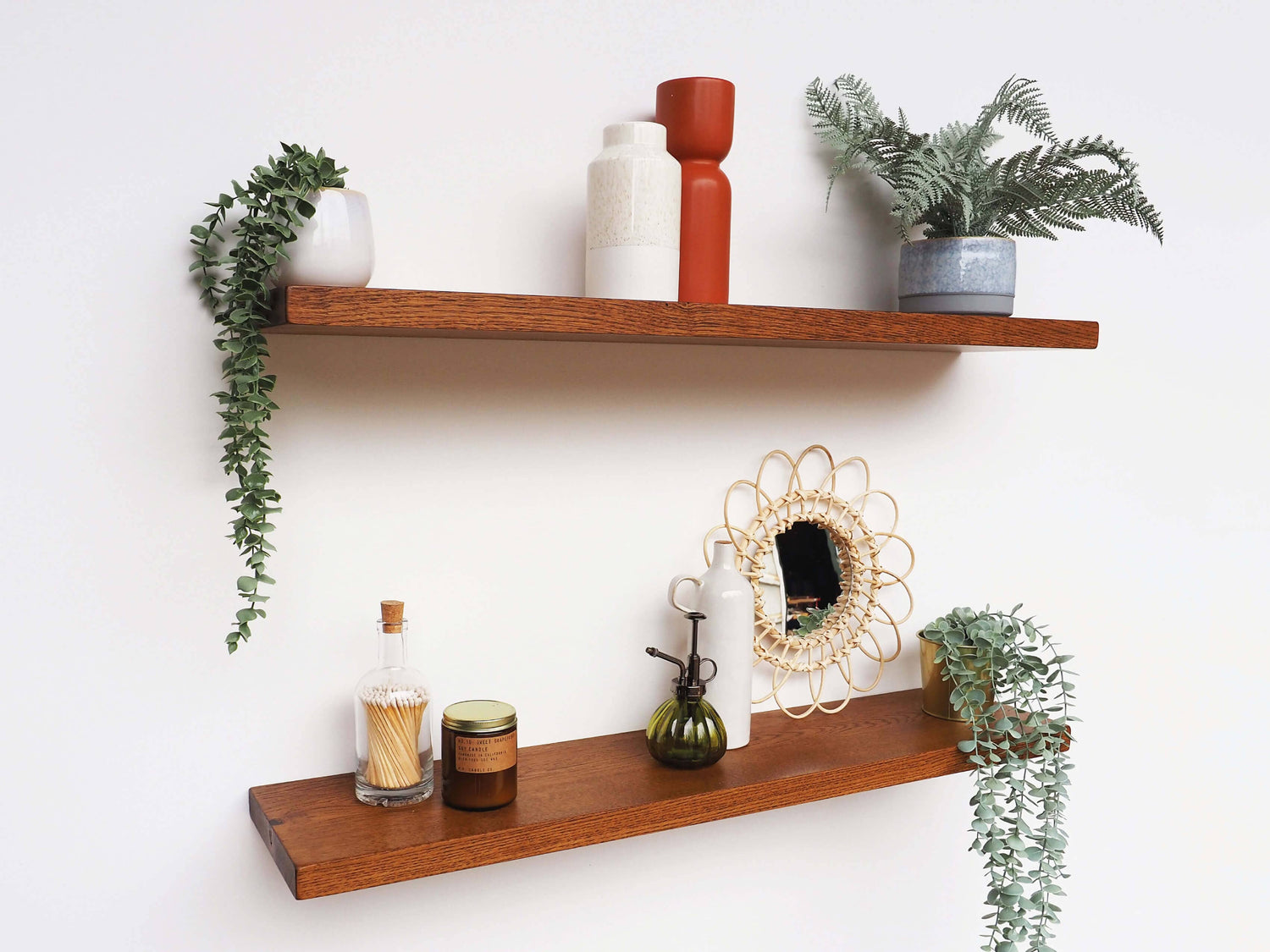

Pine vs Oak Shelves: Which Is Better for Your Home?
Choosing between pine and oak shelves isn't always straightforward.
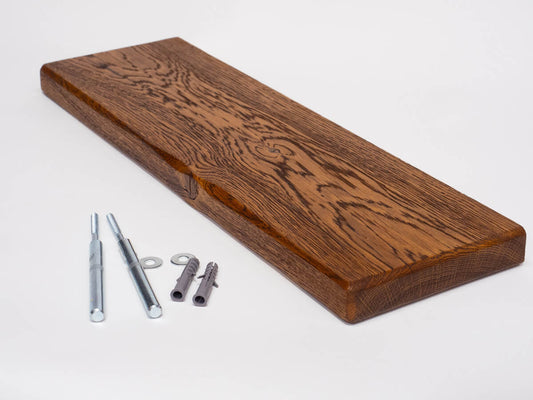
Both are natural timbers with their own strengths, and both can work beautifully in the right setting. Some homeowners are drawn to the rich grain, durability and premium feel of our Oak Floating Shelves, while others prefer the lighter appearance, versatility and affordability of Pine Floating Shelves.
While oak and pine are often compared directly, they create very different impressions within a room. The timber you choose will influence not only the appearance of the shelving itself, but also the overall atmosphere of the space. From contemporary living rooms and open-plan kitchens to cottage interiors and farmhouse-style homes, each material brings its own character and practical advantages.
The reality is that neither timber is universally better. The right choice depends on the look you're trying to achieve, how the shelves will be used and the role they need to play within the room. Before diving into the details, here's a quick overview of how the two compare.
In This Guide
- Pine vs oak at a glance
- Appearance and character
- Strength and durability
- Which timber ages better?
- Cost and value
- Which interiors suit pine or oak?
- Pine vs oak floating shelves
- Which should you choose?
Pine vs Oak Shelves at a Glance
|
Feature |
Pine Shelves |
Oak Shelves |
|
Appearance |
Lighter tones with a softer grain pattern |
Richer grain and deeper natural character |
|
Weight |
Lighter timber |
Heavier, denser timber |
|
Durability |
Well suited to everyday household use |
Greater resistance to wear and dents |
|
Cost |
More budget-friendly |
Higher initial investment |
|
Style |
Cottage, farmhouse and Scandinavian interiors |
Traditional, contemporary and open-plan spaces |
|
Long-Term Character |
Develops a relaxed, lived-in appearance |
Gains richness and depth with age |
Looking at the table alone, it would be easy to assume that oak is simply the premium option and pine is the budget alternative. In reality, the choice is often far more influenced by the style of the home and the atmosphere you're trying to create.
Both timbers have remained popular for good reason, and both can produce beautiful shelving when used in the right setting.
Appearance and Character
For many homeowners, appearance is what ultimately drives the decision. Shelves are rarely just functional. Whether they're displaying books, photographs, plants or everyday essentials, they become part of the room's overall design. The timber you choose will have a noticeable impact on how the finished space feels.
Oak Creates a Stronger Visual Feature

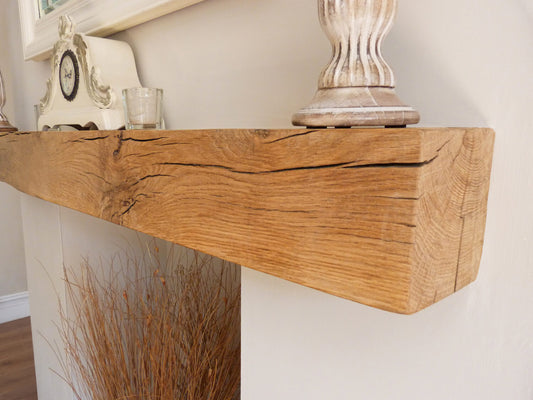
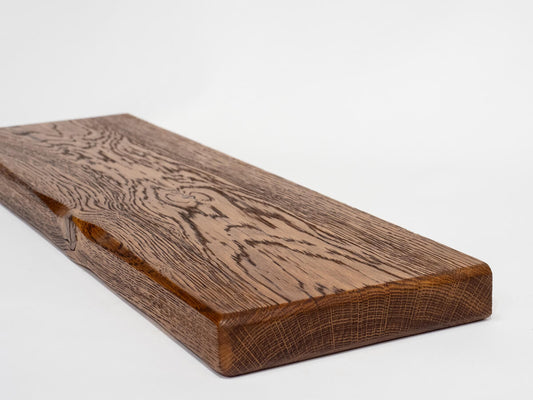
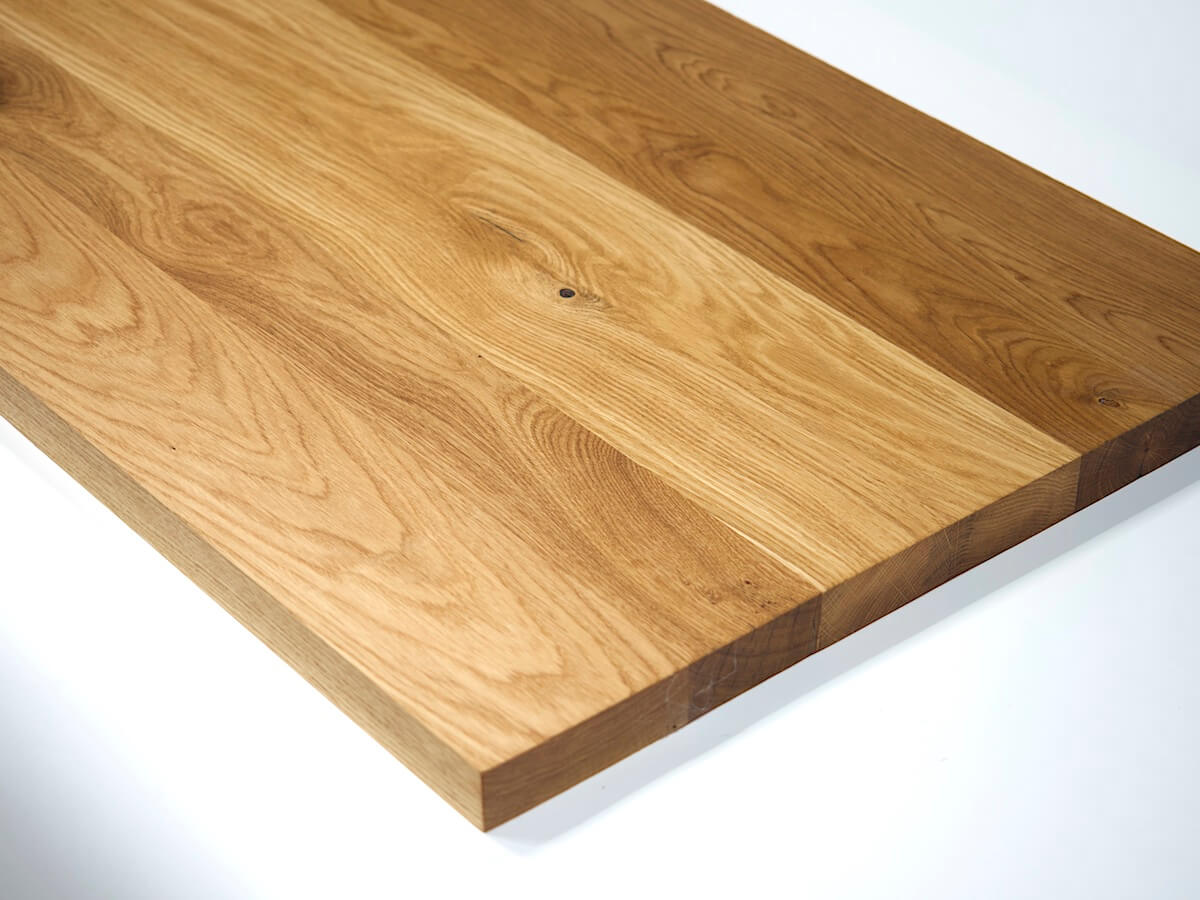
One of oak's defining characteristics is the depth and variation within the grain. The timber naturally draws the eye, which is why it's often chosen for feature shelving in living rooms, alcoves and open-plan spaces.
Rather than blending into the background, oak shelves tend to become part of the room's design. The grain, colour variation and overall weight of the timber create a sense of permanence that many homeowners are specifically looking for when investing in solid wood shelving. This versatility is one of the reasons oak works equally well in traditional properties and contemporary interiors. Depending on the finish, it can feel rustic and characterful or clean and refined.
Our Oak Floating Shelves collection is often chosen by customers looking for shelving that creates a stronger visual statement within the room.
Pine Creates a Lighter Feel

Pine offers a very different aesthetic. The lighter tones and softer grain patterns help create a more relaxed appearance that sits comfortably within a wide range of interiors. In many homes, pine shelves contribute warmth and character without becoming the dominant feature on the wall.
This makes pine particularly popular in:
- Cottage interiors
- Farmhouse kitchens
- Scandinavian-inspired spaces
- Painted timber schemes
- Rustic renovation projects
The overall effect is often less formal than oak, making pine a popular choice for homeowners who prefer a brighter and more understated look.
Strength and Durability

Strength is often one of the first concerns people have when comparing pine and oak.
Because oak is a hardwood, it's easy to assume that pine is significantly weaker. While oak is certainly denser and offers greater resistance to knocks and wear, solid pine shelving is still more than capable of handling everyday household use.
Books, kitchenware, decorative accessories, plants and general storage can all be comfortably supported when shelves are properly installed and matched to the appropriate wall fixings. Where the difference becomes more noticeable is over the longer term.
Oak's denser structure makes it more resistant to dents and surface wear, which can be beneficial in busy households or heavily used spaces. Pine is slightly softer and may show signs of everyday use more readily, particularly in areas where shelves are regularly moved, loaded or adjusted.
That isn't necessarily a disadvantage. Many homeowners appreciate the way natural timber develops character over time, particularly in homes where a more relaxed and lived-in aesthetic is part of the overall appeal.
Which Timber Ages Better?

One of the biggest differences between pine and oak isn't how they look when they're first installed, but how they develop over time.
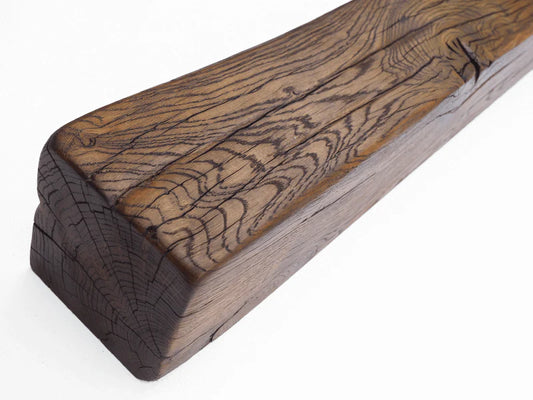
Oak gradually deepens in colour as it matures, with the grain often becoming more pronounced and the overall appearance gaining richness. This ability to age gracefully is one of the reasons oak has remained a popular furniture and interior timber for centuries.
Pine follows a different path. Its lighter tones soften over time and the timber tends to develop a more relaxed, lived-in appearance. In country homes, cottages and farmhouse interiors, those subtle signs of use often become part of the appeal, helping the shelving feel established within the space rather than newly installed.
When choosing between the two, it can be helpful to think beyond how the shelves will look on day one. The character they develop over the years is often what ultimately defines them.
Cost and Value
Price is often one of the reasons homeowners begin comparing pine and oak in the first place. Oak typically commands a higher price because it's a slower-growing hardwood that requires longer processing and preparation. Its density, durability and long-standing reputation also contribute to its position as a premium furniture and shelving timber.
Pine offers a more accessible route into solid wood shelving. For homeowners furnishing multiple rooms, creating larger shelving installations or simply working within a tighter budget, pine can provide many of the benefits of natural timber without the higher upfront investment associated with oak.
The more useful question is often not which timber is cheaper, but which offers better value for your project.
If you're creating a statement feature that will remain in place for decades, oak may justify the additional investment. If you're looking for practical, attractive shelving that delivers warmth and character at a lower cost, pine is often an excellent choice.
Both materials offer considerably greater longevity and authenticity than veneered or manufactured alternatives, making them worthwhile investments in their own right.
Which Interiors Suit Pine or Oak?

The style of your home will often influence the decision as much as the timber itself. While both materials are versatile, they tend to create slightly different moods within a room.
Pine Often Complements:
- Farmhouse kitchens
- Cottage interiors
- Country homes
- Scandinavian-inspired spaces
- Painted furniture schemes
The lighter appearance of pine helps keep spaces feeling open and relaxed. It's particularly effective when paired with natural colours, textured fabrics and traditional architectural features.
Our Pine Floating Shelves are often chosen for these types of interiors, where the goal is to introduce natural timber without creating an overly formal look.
Oak Tend to Complement:
- Contemporary interiors
- Period properties
- Open-plan living spaces
- Modern renovations
- Homes with existing oak features
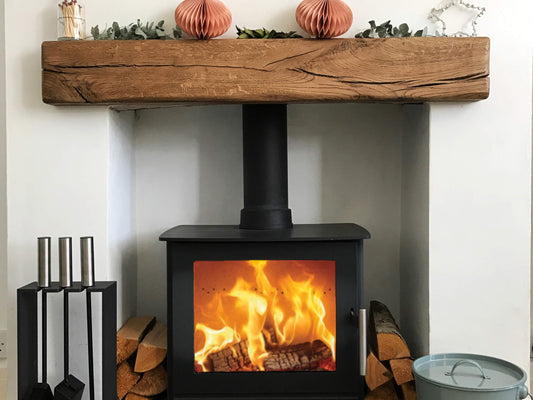
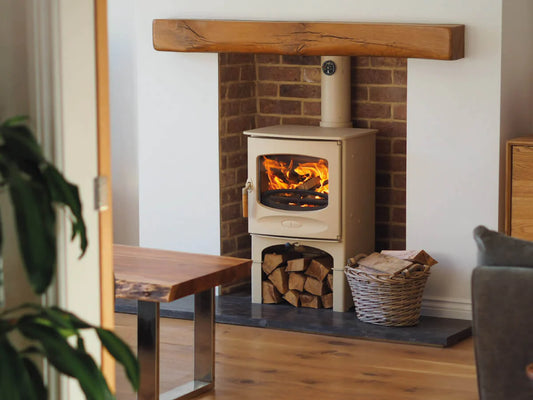
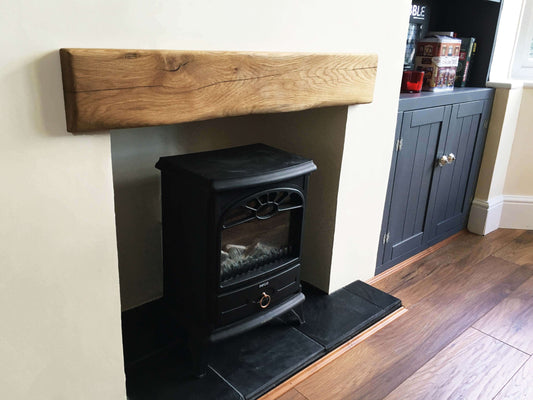
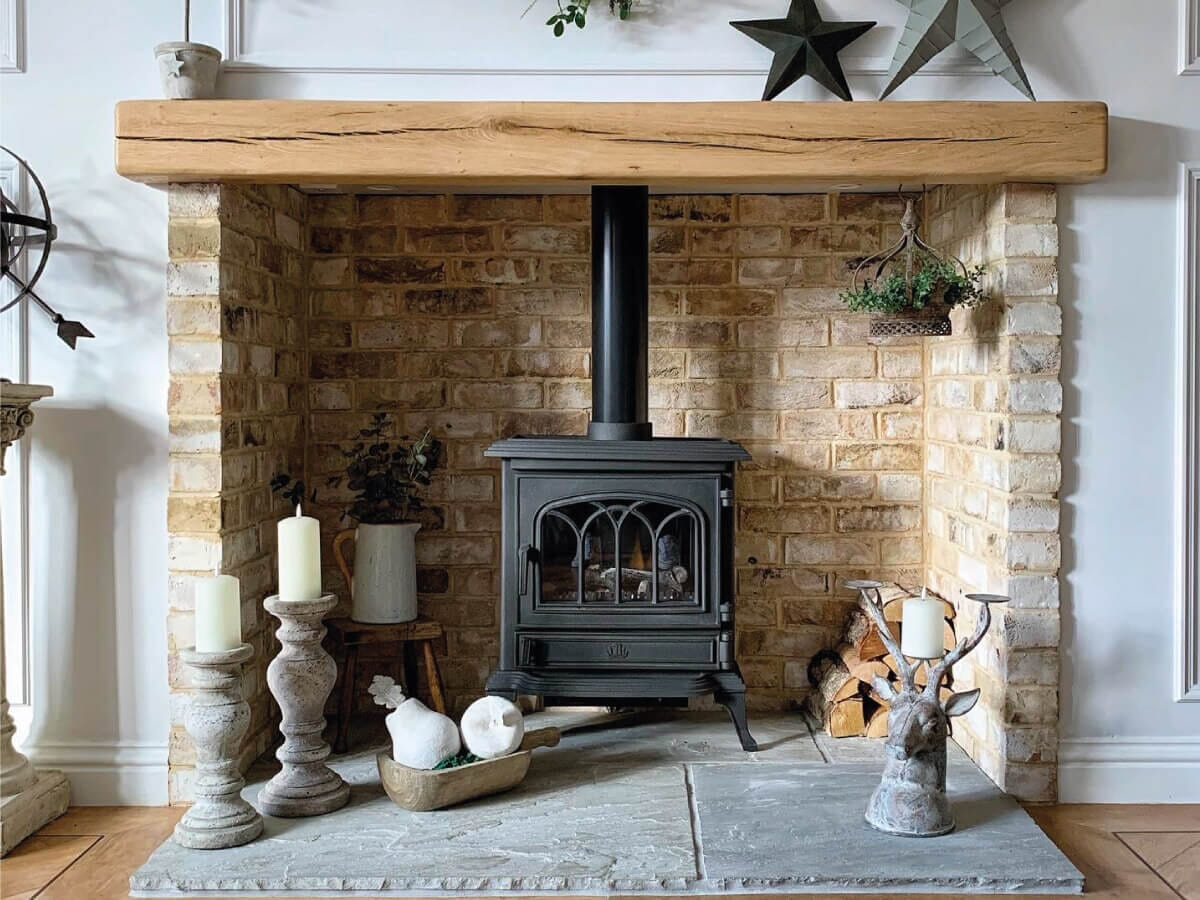
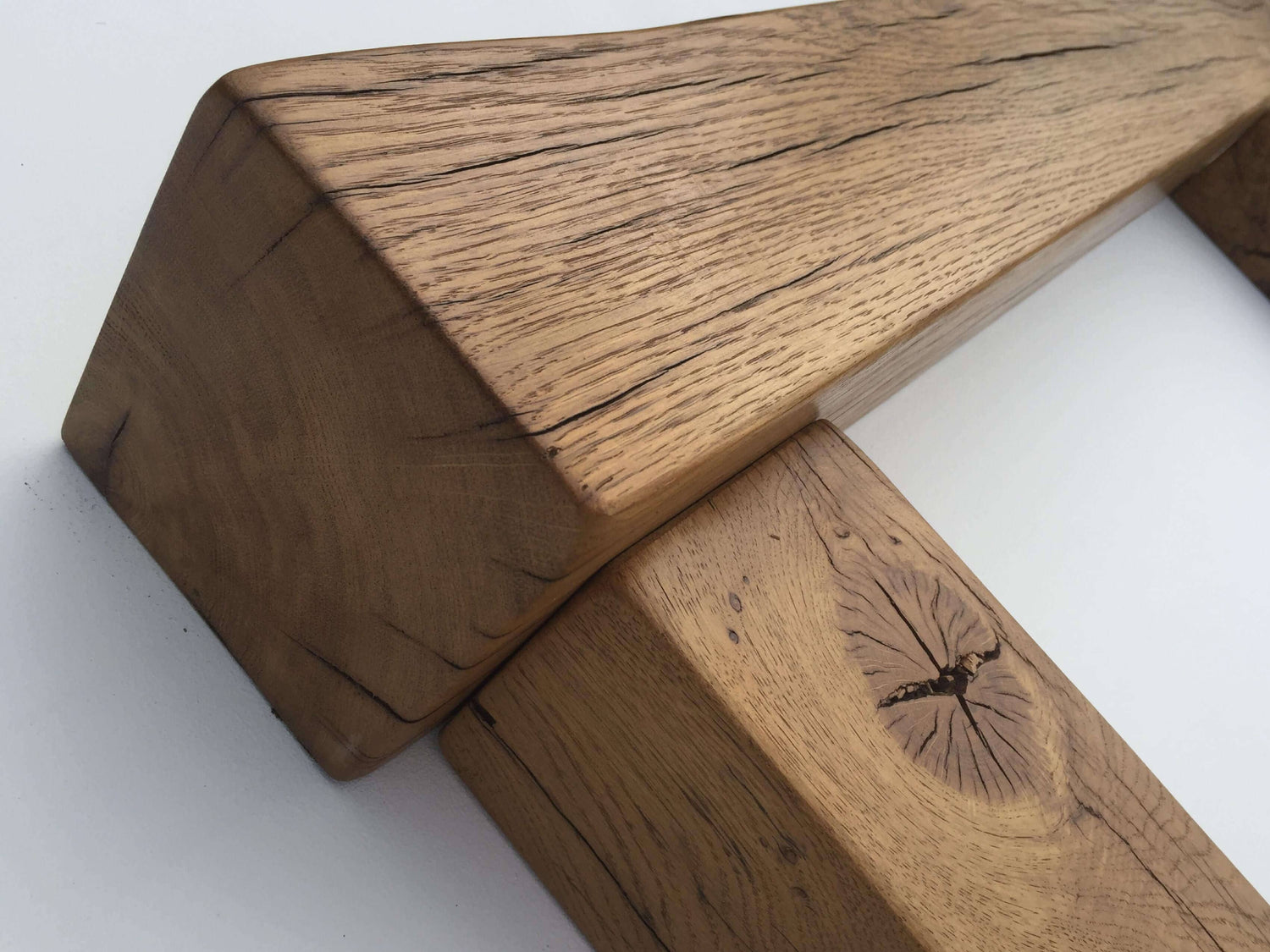
Oak tends to have more visual presence, making it a popular choice for feature shelving and larger wall displays. For homeowners already incorporating oak elsewhere in the property, such as Oak Beams, Oak Fireplace Beams or Oak Floating Shelves, continuing the same material can help create a more cohesive finish throughout the home.
Pine vs Oak Floating Shelves

When comparing floating shelves specifically, the practical differences between pine and oak become less significant than the visual ones. Both timbers can be used to create strong, durable floating shelves when paired with the appropriate concealed brackets and suitable wall fixings. What changes is the overall impression they create once installed.
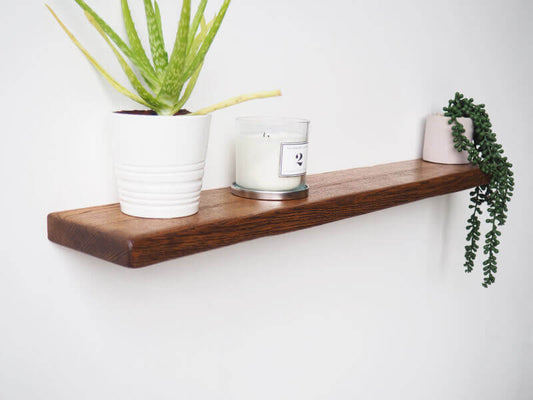
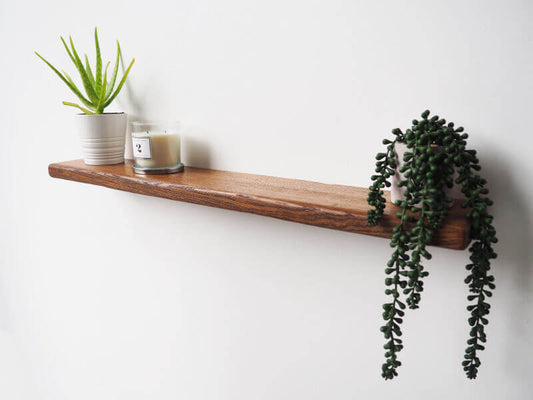
Oak floating shelves often become a feature in their own right. The grain patterns, colour variation and visual weight of the timber naturally draw attention, making them particularly effective in alcoves, media walls and larger living spaces.
Pine floating shelves tend to sit more comfortably within the wider room. They still provide warmth and character, but they generally feel lighter and less dominant.
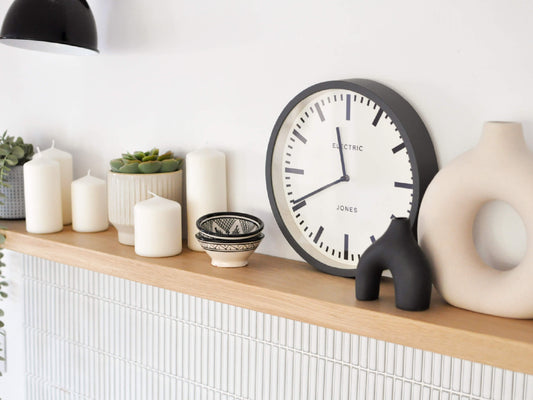
This distinction is particularly noticeable when styling shelves with books, plants and decorative accessories. Oak often forms part of the display, while pine tends to act as a backdrop to it. If you're deciding between the two, it can be helpful to consider whether you want the shelving to stand out or blend more naturally into the overall scheme.
Choosing the Right Timber for Your Home

Both pine and oak have earned their place as some of the most popular shelving materials available today. Oak offers greater density, deeper grain patterns and a more substantial appearance. It's often chosen for feature shelving, statement interiors and homes where durability is a primary consideration.
Pine brings a lighter character that works beautifully in relaxed interiors, cottage-style homes and projects where affordability is an important factor without compromising on the appeal of real timber. Rather than focusing solely on which timber is considered "better", it's often more useful to think about what role the shelving will play within the room.
- Will it be a focal point?
- Will it complement existing timber features?
- Will it be used for everyday storage, display purposes or a combination of both?
Answering those questions will usually point you towards the right material far more effectively than comparing specifications alone.
At Traditional Beams, both our Pine Floating Shelves and Oak Floating Shelves are handcrafted to order using carefully selected timber, allowing homeowners to choose a shelving solution that suits both their space and their style.
Pine vs Oak Shelving: Frequently Asked Questions
Is pine or oak better for floating shelves?
Both can make excellent floating shelves. Oak offers greater density and a more pronounced grain pattern, while pine provides a lighter appearance and a more affordable solid wood option.
Are pine shelves strong enough for books?
Yes. Solid pine shelves are suitable for books and other everyday household items when installed correctly using appropriate fixings.
Why are oak shelves more expensive than pine?
Oak is a slower-growing hardwood that requires longer processing and preparation. Its durability and distinctive appearance also contribute to its higher cost.
Do pine shelves look cheaper than oak?
Not necessarily. Pine has a different character rather than a lower-quality appearance. In many cottage, farmhouse and Scandinavian-inspired interiors, pine is often the preferred choice.
Can pine shelves be stained to look like oak?
Pine can be stained in a variety of colours, but the grain structure and overall character of the timber will remain different from oak.
Which timber is best for rustic shelving?
Both can work well. Pine is often chosen for lighter farmhouse and country-style interiors, while oak is popular where a richer and more substantial rustic appearance is preferred.