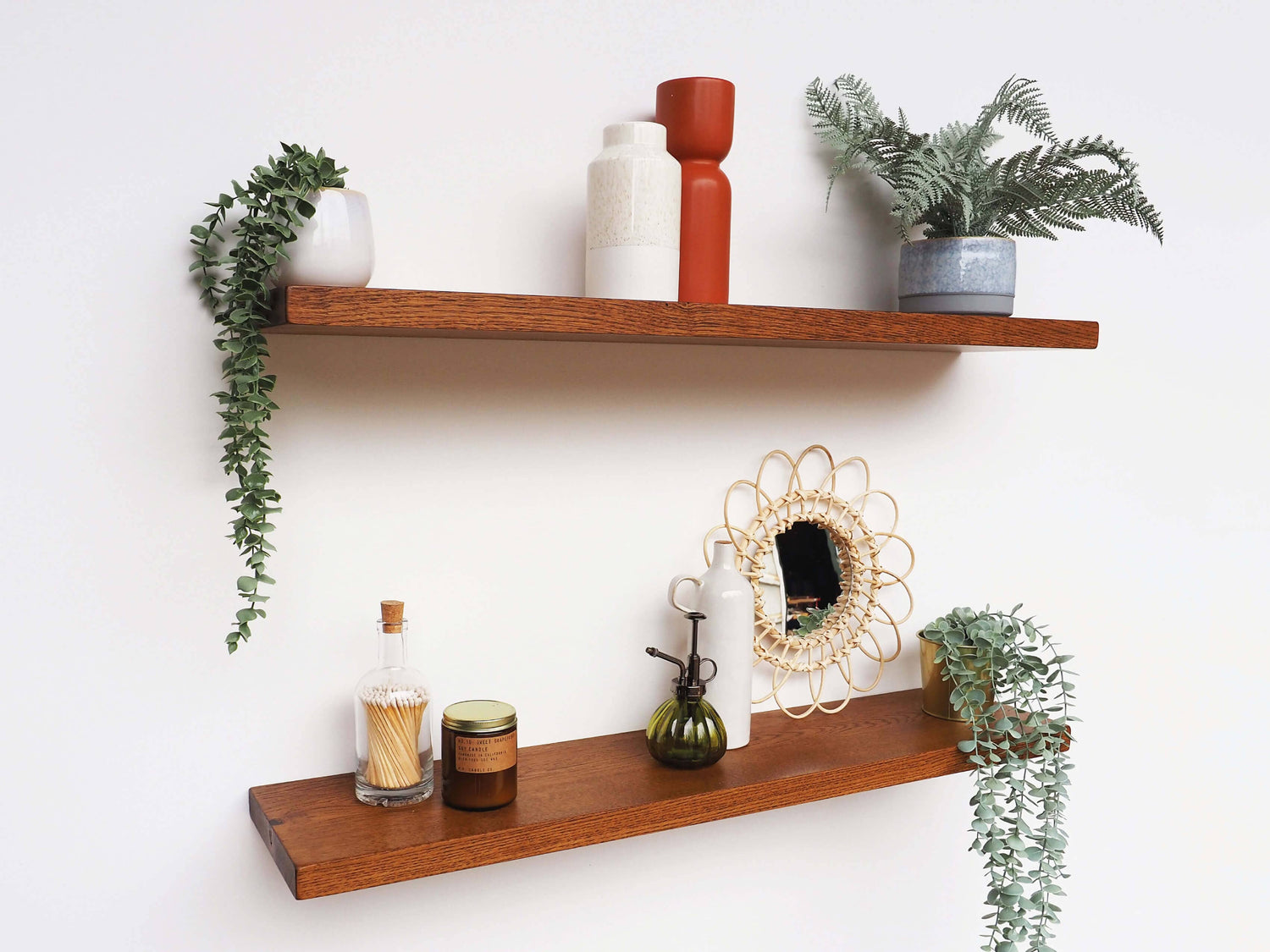

How to Style Pine Floating Shelves
Pine floating shelves have a way of making a room feel more relaxed. Unlike darker timbers that naturally draw attention, pine tends to introduce warmth and texture without dominating the space. Its lighter tones and softer grain patterns allow it to work comfortably across a wide range of interiors, from traditional country homes to modern renovations and Scandinavian-inspired spaces.
That versatility is one of the reasons pine shelving remains so popular. The shelves themselves provide the structure, but it's the way they're styled that ultimately shapes the finished look. A carefully balanced display can make a room feel welcoming, organised and full of character, while an overcrowded shelf can quickly create visual clutter.
The good news is that styling shelves doesn't need to be complicated. A few simple principles can help create displays that feel natural, balanced and connected to the wider room.
In This Guide
- Why pine shelves work in so many homes
- Creating balance on open shelving
- Mixing practical and decorative items
- Using texture and natural materials
- Why empty space matters
- Combining pine shelves with other timber features
- Styling ideas for different interior styles
- Simple ways to create a more cohesive display
Why Pine Shelves Work in So Many Homes

Some materials naturally demand attention, but pine takes a different approach. Its lighter colour and more subtle grain pattern allow it to complement the room around it rather than compete with it. This makes pine one of the most adaptable shelving materials available and a popular choice for homeowners who want to introduce natural timber without creating an overly dominant feature.
The flexibility of pine is one of its greatest strengths. Depending on the finish and styling choices, the same shelf can feel equally at home in a bright contemporary kitchen, a cottage living room or a modern open-plan space.
Pine Shelves Are Particularly Popular In:
- Farmhouse kitchens
- Cottage interiors
- Scandinavian-inspired homes
- Contemporary living spaces
- Renovation projects featuring natural materials
Rather than dictating the style of the room, pine tends to support it, which gives homeowners much greater freedom when it comes to styling and accessorising.
For those exploring different shelving options, our Pine Floating Shelves collection offers a range of handcrafted designs that work across both traditional and contemporary interiors.
Start With Balance, Not Symmetry
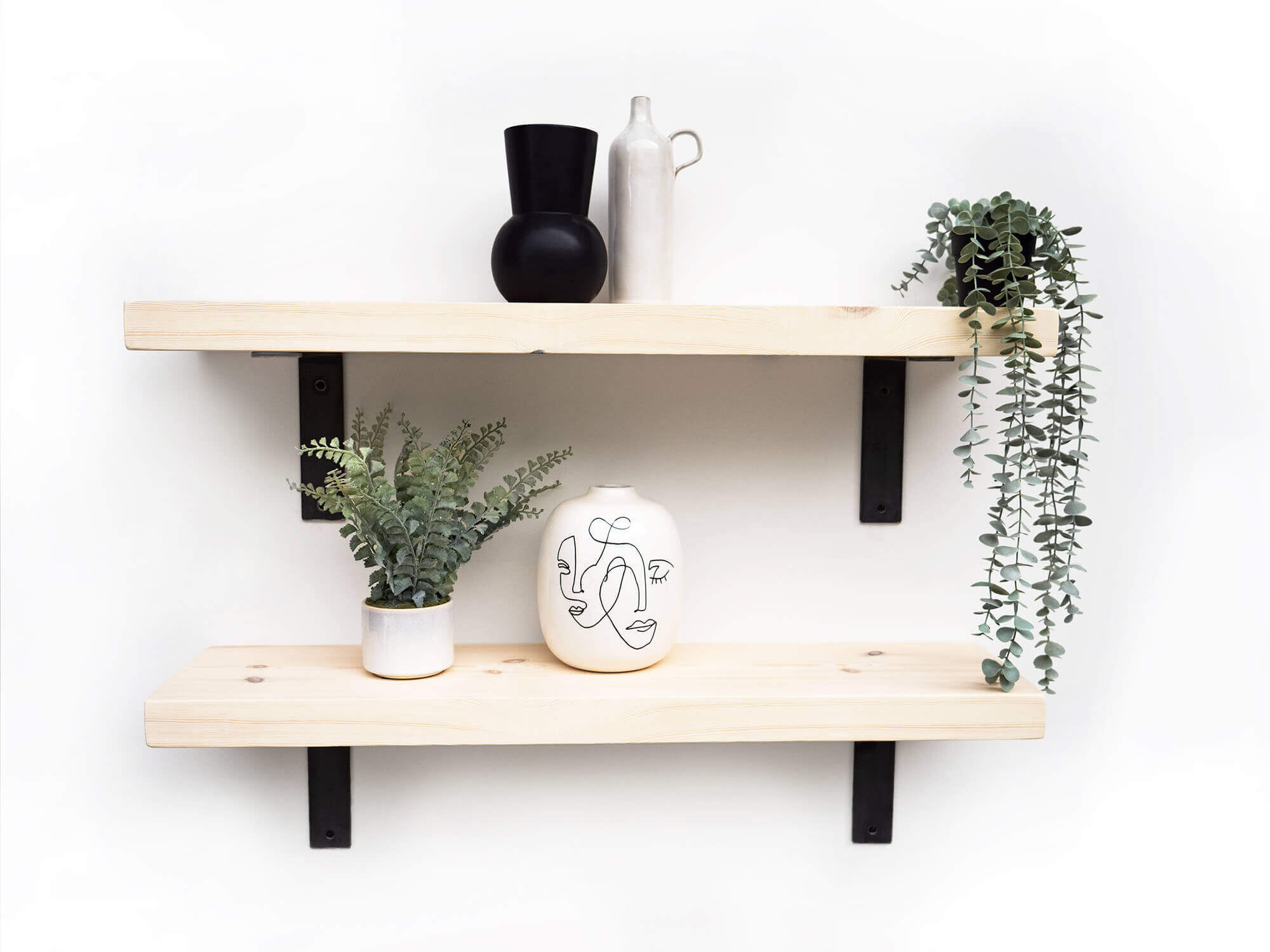
One of the most common misconceptions about shelf styling is that everything needs to be perfectly symmetrical. In reality, the most appealing displays are often slightly uneven.
A shelf styled with identical objects placed at equal distances can sometimes feel overly formal or staged. By contrast, displays that vary in height, shape and visual weight often feel more natural and lived-in. That doesn't mean placing items randomly. The aim is still to create balance, but balance and symmetry aren't the same thing.
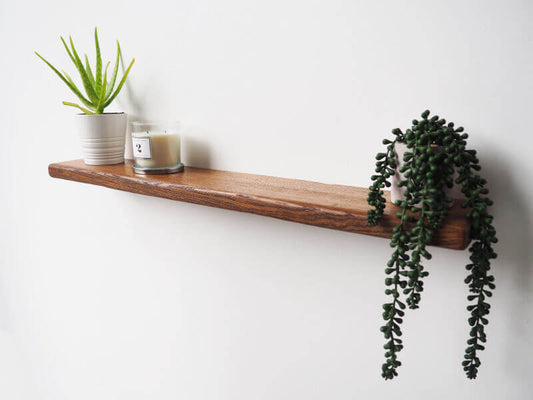
Imagine a large trailing plant positioned towards one end of a shelf. On its own, it may feel visually heavy. Pairing it with a small stack of books and a ceramic vase elsewhere on the shelf can create balance without making the arrangement look identical from both sides. This approach tends to create displays that feel more relaxed and personal.
A Simple Formula for Styling Open Shelves

If you're unsure where to begin, it can help to think about shelving in layers rather than individual objects. The most successful displays often combine several different elements, each contributing something different to the overall arrangement.
Books
Books provide structure and height, they can be stacked horizontally, arranged vertically or used to elevate smaller decorative pieces.
Plants
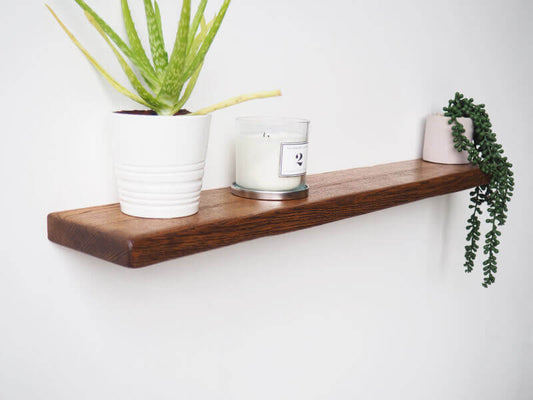
Plants introduce colour, softness and movement. Trailing varieties can help break up straight lines, while smaller potted plants add life without taking up too much space.
Decorative Objects
Ceramics, candles, sculptures and collected items add personality and help make the display feel unique to the home.
Artwork and Photographs
Framed prints and photographs can add visual interest without overwhelming the shelf. Leaning frames against the wall rather than hanging them can also help create a more relaxed appearance.
Practical Items
The most inviting shelves often contain items that are genuinely used. Cookbooks in a kitchen, storage baskets in a living room or everyday essentials in a home office help ensure the shelves feel connected to daily life rather than purely decorative.
The exact combination will vary from room to room, but mixing different types of objects generally creates a more engaging display than filling a shelf with variations of the same item.
Mix Practical and Decorative Items
Some of the most successful shelving arrangements don't look styled at all, they simply look as though they've evolved naturally over time.
This is often achieved by combining decorative pieces with items that serve a practical purpose. The result feels authentic because the shelves are being used as part of everyday life rather than existing solely as a display feature.
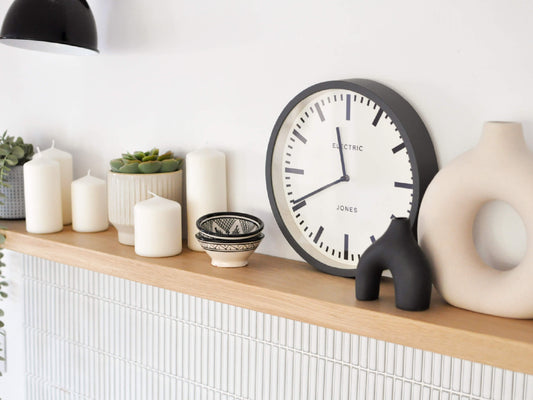
A kitchen shelf might hold favourite mugs alongside a small plant and a stack of cookbooks. A living room shelf may combine framed photographs with novels, candles and collected objects from travels or family events.
The balance between practical and decorative will differ from home to home, but introducing a mixture of both usually creates a more inviting and believable result.
When shelves feel useful as well as attractive, they become part of the room rather than simply something mounted to the wall!
Use Texture to Add Interest

Pine already introduces natural texture through its grain, knots and subtle variations in colour. Layering additional materials alongside the timber can help create displays that feel richer and more considered. Rather than focusing solely on colour, think about the different surfaces and finishes that interact with the shelf.
Materials that work particularly well with pine include:
- Handmade ceramics
- Woven baskets
- Linen and natural fabrics
- Glass accessories
- Stoneware
- Aged metals
Combining a range of textures helps create depth and prevents shelving displays from feeling flat or repetitive. This is particularly effective in neutral interiors, where texture often plays a larger role than colour in creating visual interest.
Why Empty Space Matters
One of the easiest mistakes to make when styling shelves is feeling the need to fill every available gap. When a shelf is packed from end to end, individual objects can start to lose their impact. Books blend into ornaments, decorative pieces compete for attention and the display can quickly feel cluttered, even when every item has been chosen carefully.
The most effective shelving arrangements give objects room to breathe.
Leaving small areas of open space helps create contrast and allows key pieces to stand out. It also makes the shelf feel calmer and more intentional, particularly in rooms where there are already plenty of colours, textures and furnishings competing for attention. A useful rule is to style the shelf, step back and then remove one or two items. More often than not, the display will feel stronger for it.
Combining Pine Shelves with Other Timber Features

Floating shelves rarely exist in isolation, they're often part of a wider room that already includes timber flooring, furniture, worktops or architectural details. The most successful interiors tend to acknowledge these existing materials rather than treating shelving as a standalone feature.
The good news is that pine works exceptionally well alongside other natural timbers.
Many homeowners assume everything needs to match perfectly, but slight variations in tone often create a more authentic and layered appearance. A pine shelf can sit comfortably alongside oak furniture, painted cabinetry or exposed beams without looking out of place.
Popular Timber Combinations
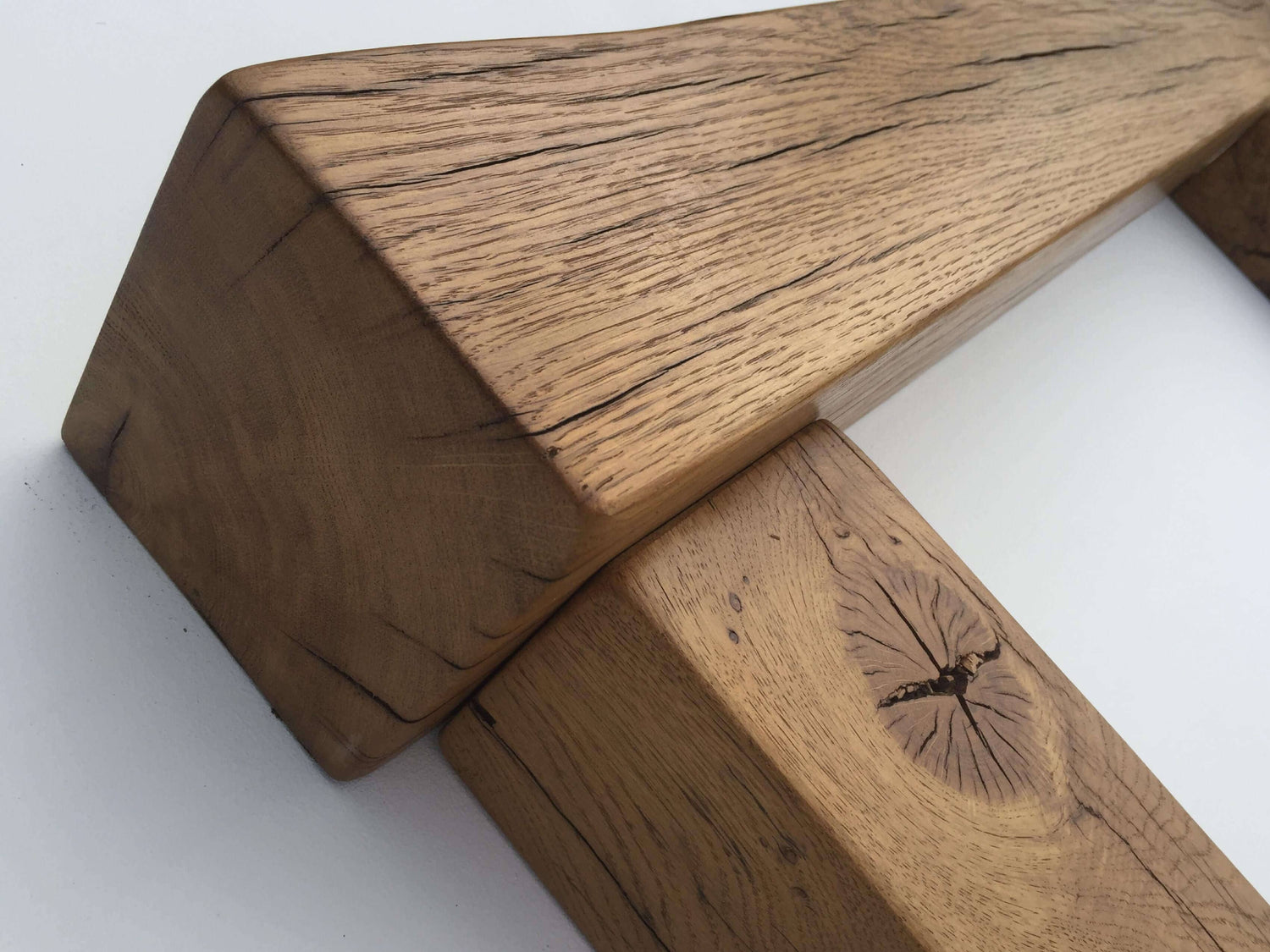
Pine Floating Shelves and Oak Window Beams
Repeating natural timber details around windows and shelving can help create a cohesive feel throughout the room, particularly in living spaces where wood already forms part of the home's character.
Pine Floating Shelves and Oak Fireplace Beams
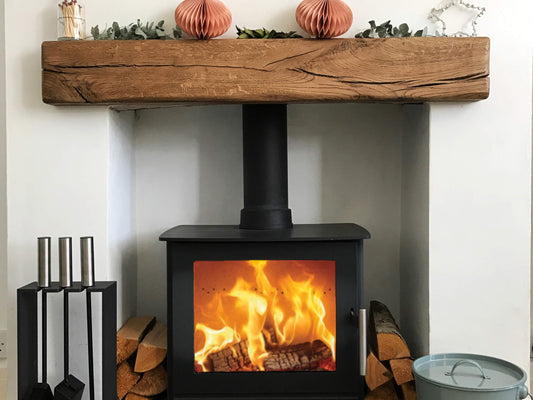
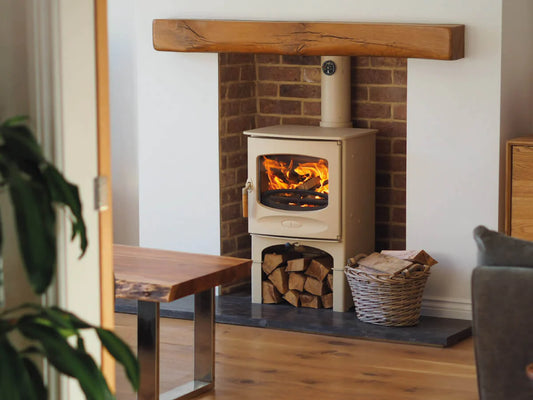
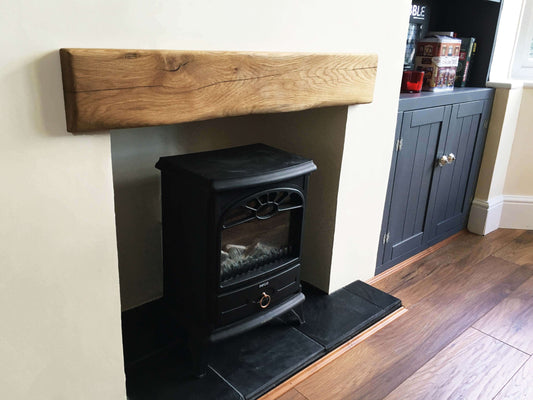
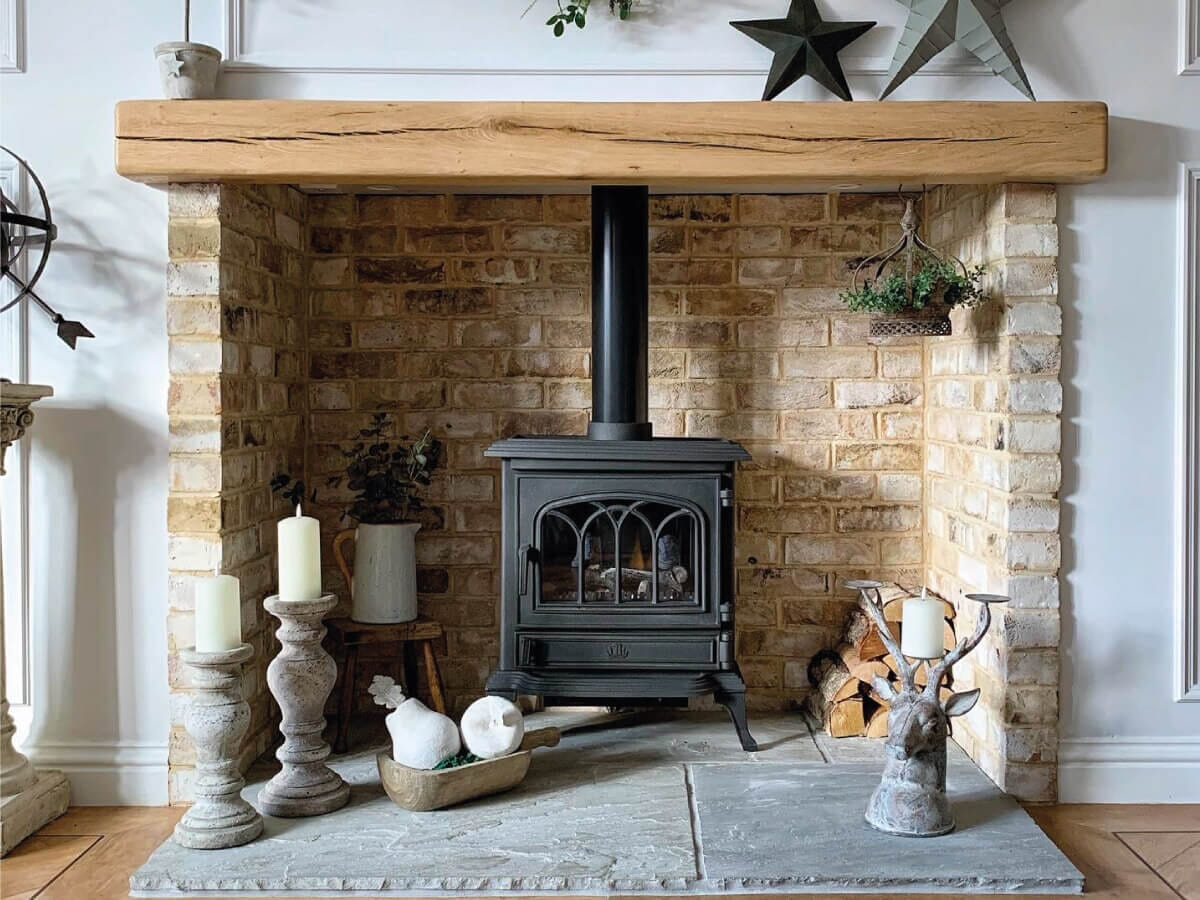
In homes where the fireplace acts as a focal point, pairing pine shelving with an oak fireplace beam can help connect different areas of the room while maintaining a natural and timeless aesthetic.
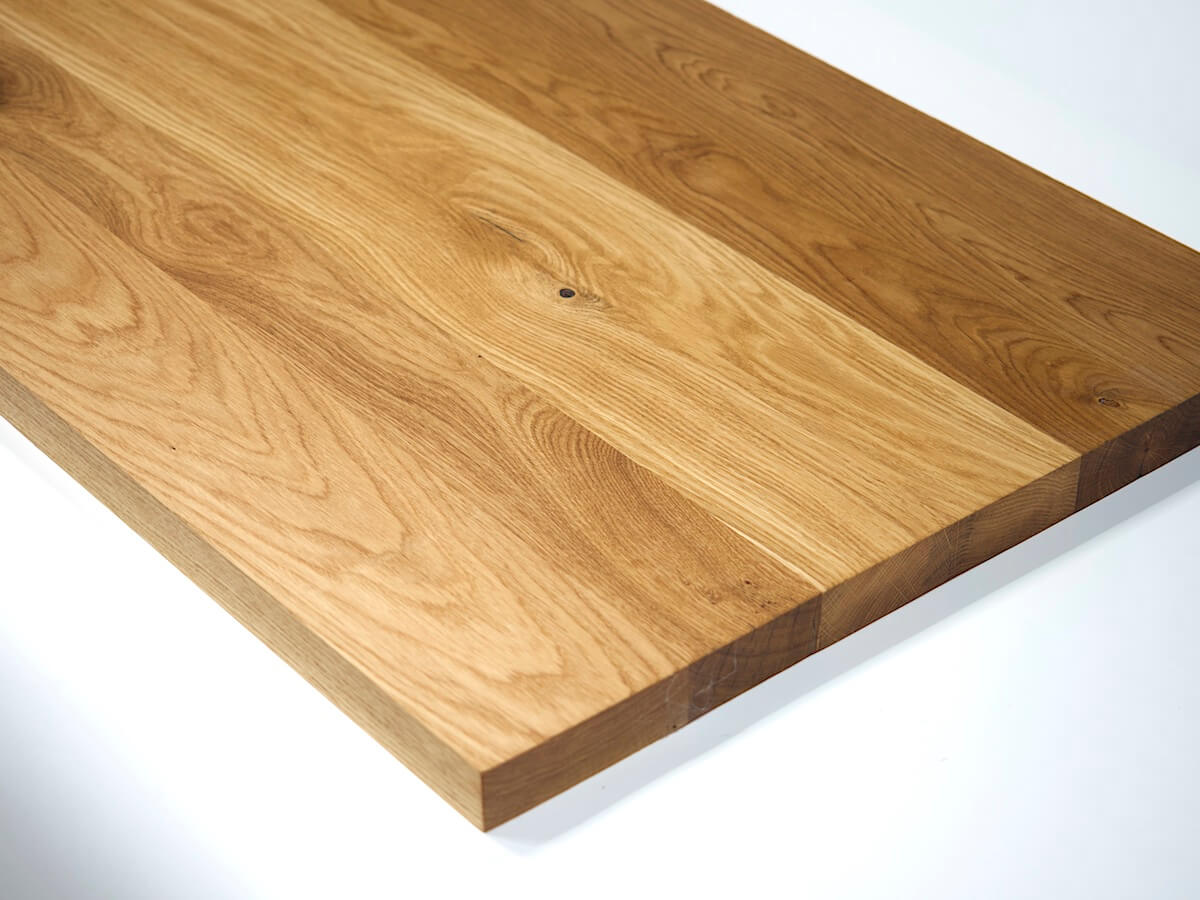
Pine Floating Shelves and Oak Floating Shelves
Some homeowners choose pine shelving in secondary spaces while opting for oak floating shelves in feature areas such as alcoves, media walls or larger living rooms. This can create subtle variation throughout the home while maintaining a consistent timber theme.
The goal isn't perfect matching. It's creating enough continuity that the room feels considered and connected!
Styling Ideas for Different Interior Styles

One of pine's greatest strengths is its ability to adapt to different interiors. The shelf itself often stays the same. What changes is how it's styled and what it's paired with.
Scandinavian-Inspired Spaces
Scandinavian interiors are often built around simplicity, natural materials and light. Pine shelving fits naturally within this style because its lighter tones complement the clean, uncluttered aesthetic. Displays tend to be restrained, with a focus on quality rather than quantity.
Think:
- Neutral ceramics
- Small houseplants
- Light-coloured books
- Natural textures
- Minimal decorative accessories
The result is a shelf that feels calm, functional and effortlessly balanced.
Farmhouse and Country Homes
Pine has long been associated with farmhouse interiors, where natural materials play a central role in the character of the home. Here, shelves often feel more lived-in and practical.
Cookbooks, pottery, baskets and everyday kitchen items can all contribute to displays that feel authentic rather than staged. The aim isn't perfection but warmth and personality. Pine shelving often works particularly well alongside natural stone, painted cabinetry and exposed timber features, creating a layered look that feels established over time.
Contemporary Interiors
In modern spaces, pine shelving can act as a counterbalance to cleaner architectural lines and harder materials. Rather than filling the shelves with numerous small objects, contemporary styling often relies on fewer, larger pieces. This creates visual impact without clutter.
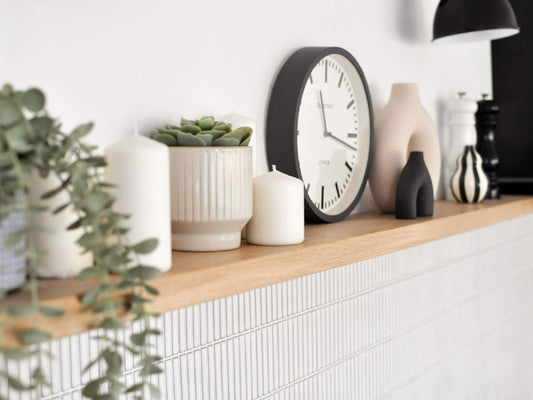
A carefully chosen vase, a stack of books and a framed print may be all that's needed to create a display that feels complete. The natural warmth of pine can be especially effective alongside painted walls, stone surfaces and modern furniture.
Character Properties
Older homes often benefit from displays that feel collected over time rather than deliberately curated. Photographs, books, artwork and personal objects can all help create shelves that reflect the history of the property and the people who live there.
In these spaces, pine tends to feel entirely at home. Its natural character and softer appearance often complement the imperfections and architectural details that make period properties so appealing.
A Simple Checklist Before You Finish Styling
Before declaring a shelf complete, it can be helpful to take a step back and assess the overall display.
Ask Yourself:
- Is there a mixture of heights, shapes and textures?
- Have practical and decorative items been combined?
- Is there enough empty space between key objects?
- Does the display feel balanced without being perfectly symmetrical?
- Do the materials and colours complement the wider room?
- Does the shelf reflect the way the space is actually used?
The answers don't need to be perfect. The aim is simply to ensure the shelving feels connected to the room rather than existing separately from it.
Creating Shelving That Feels Natural

The most successful shelving displays are rarely created in a single afternoon, they evolve over time.
Books are added, photographs are moved, plants grow and decorative pieces find their place gradually. This process often creates far more authentic results than attempting to style every shelf perfectly from day one.
Pine shelving lends itself particularly well to this approach. Its lighter appearance and understated character provide a backdrop that can adapt as the room changes, making it easy to refresh displays without replacing the shelving itself.
At Traditional Beams, our Pine Floating Shelves are handcrafted from solid timber and designed to bring warmth, practicality and natural character into the home. For homeowners looking to introduce timber features elsewhere in the property, our Oak Floating Shelves, Oak Window Beams and Oak Fireplace Beams can help create a cohesive look that flows naturally from room to room.
The most successful shelving displays aren't necessarily the most elaborate. They're the ones that feel authentic to the home, the people who live there and the way the space is used every day.
Pine Shelving Styling: Frequently Asked Questions
What should I put on pine floating shelves?
Books, plants, ceramics, photographs and everyday decorative objects all work well. A mixture of practical and decorative items often creates the most natural-looking display.
How do I stop shelves looking cluttered?
Avoid filling every available space. Leaving some open areas between objects helps create balance and allows individual pieces to stand out.
Should shelves be symmetrical?
Not necessarily. Balanced displays often feel more natural and relaxed than perfectly symmetrical arrangements.
Do pine shelves suit modern homes?
Yes. Pine shelving can work particularly well in contemporary interiors, where its natural warmth helps soften cleaner lines and modern materials.
Can pine shelves be styled with oak furniture?
Absolutely. Pine and oak can work together beautifully, particularly when they're treated as complementary materials rather than exact matches.
What colours work well with pine shelves?
Pine pairs naturally with neutral tones, greens, soft greys, earthy colours and natural textures, making it one of the most versatile shelving materials available.