
How to Choose the Right Solid Oak Worktop for Your Kitchen
Choosing new kitchen worktops is one of those decisions that can make a surprising difference to the finished room. They cover a large part of the kitchen, sit alongside your cabinetry and appliances, and need to withstand everything from preparing dinner to the occasional coffee spill. With solid oak, you're also introducing a natural material that has its own grain, colour and character, so there's a little more to consider than simply finding the right dimensions.
The good news is that solid oak kitchen worktops offer plenty of flexibility. You can choose something with a relatively understated appearance for a contemporary kitchen, embrace the knots and natural markings of rustic oak, or opt for wider, full-length staves that really showcase the timber.
At Traditional Beams, we manufacture solid oak worktops in our North Yorkshire workshop, using carefully selected European oak and offering made-to-order options for different kitchen projects. In this guide, we'll look at the decisions that matter when choosing your worktop, from timber construction and character to dimensions and finishes, helping you find something that looks right in your kitchen and works for everyday life.
Full Stave or Finger-Jointed Oak Worktops: Which Should You Choose?

One of the first decisions you'll come across when shopping for solid oak worktops is whether to choose full-stave or finger-jointed construction.
Both are made from solid timber, but the way the individual pieces of oak are joined together creates a noticeably different appearance. Understanding that difference can help you decide where you'd prefer to invest your budget, particularly if you're fitting worktops across a large kitchen.
Full Stave Oak Worktops
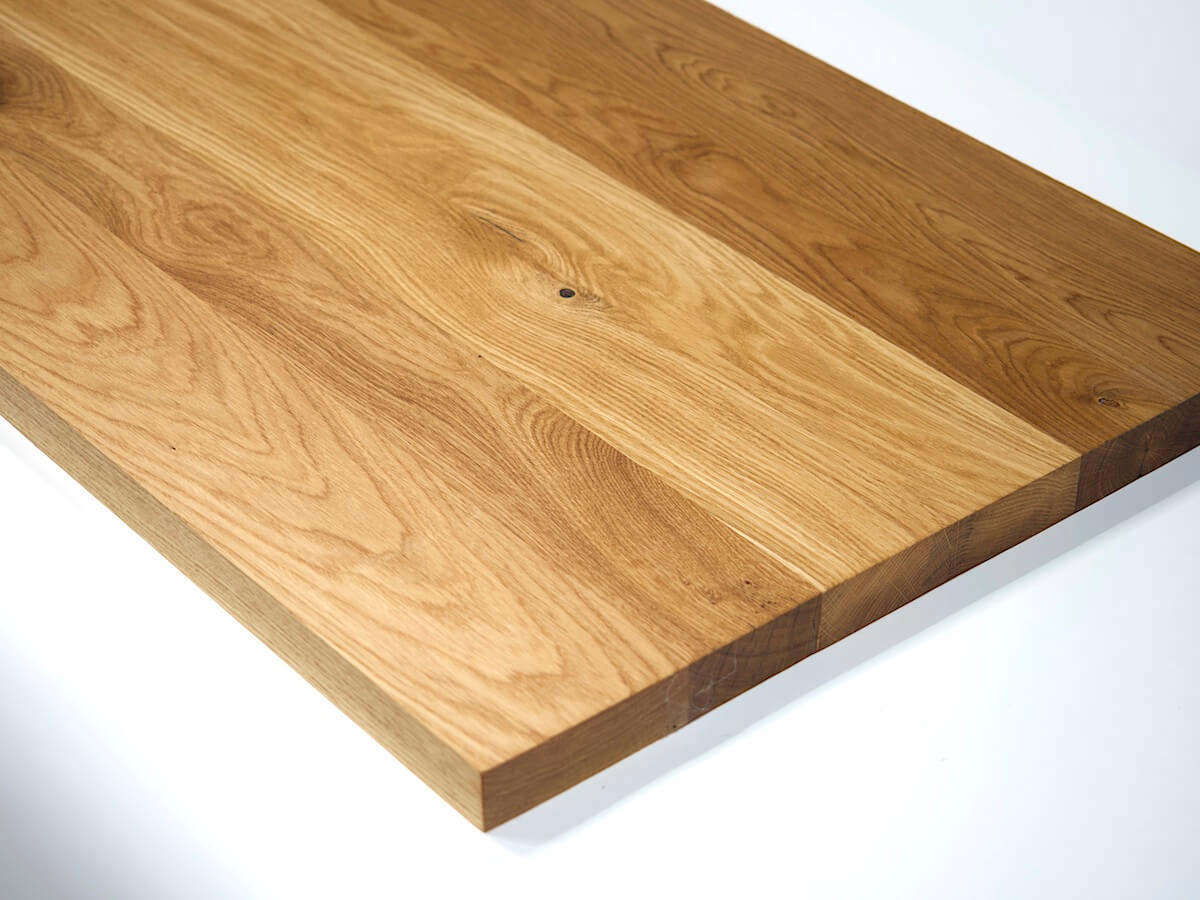
A full stave oak worktop is made using long pieces of timber that run the full length of the surface. This allows the natural grain to flow along each stave without the shorter end-to-end joins associated with finger-jointed construction.
The result is a more continuous appearance, which can be particularly appealing across long kitchen runs, breakfast bars and islands where a large area of timber remains visible.
At Traditional Beams, our made-to-order full-stave worktops typically use individual boards measuring 75–160mm wide. We can also manufacture premium ultra-wide stave worktops using boards between 150mm and 200mm wide, giving the grain and natural character of each piece even greater prominence.
Wider staves can be particularly attractive when you want the worktop itself to become a feature, although the final appearance will always depend on the individual timber selected.
Finger-Jointed Oak Worktops
Finger-jointed worktops use shorter sections of solid oak joined together to create the finished surface. Because the timber is made up of smaller pieces, you'll generally see more changes in grain and colour along the length of the worktop.
This creates a busier appearance than full-stave construction, but it can be an attractive and practical choice, particularly when you're looking for genuine solid oak at a more accessible price.
For customers fitting several metres of kitchen worktops, the difference in cost can be worth considering. Finger-jointed oak allows you to retain the natural appearance and feel of solid timber without necessarily choosing the premium construction of a full-stave design.
Comparing Full Stave and Finger-Jointed Oak
|
Type |
Full Stave Oak |
Finger-Jointed Oak |
|
Construction |
Long, continuous staves |
Shorter joined timber sections |
|
Grain Appearance |
More continuous along each board |
More frequent changes in grain |
|
Visual Character |
Often more uniform in structure |
More varied and patterned |
|
Price |
Generally higher |
Generally more economical |
|
Ideal For |
Feature worktops, islands and premium kitchen projects |
Everyday kitchens and budget-conscious renovations |
Neither option is automatically better for every kitchen. If you love the appearance of long, uninterrupted grain, full-stave oak may be worth the additional investment. If your priority is introducing real solid wood into your kitchen while managing the overall cost, finger-jointed oak is well worth considering.
Understanding the Natural Character of Oak

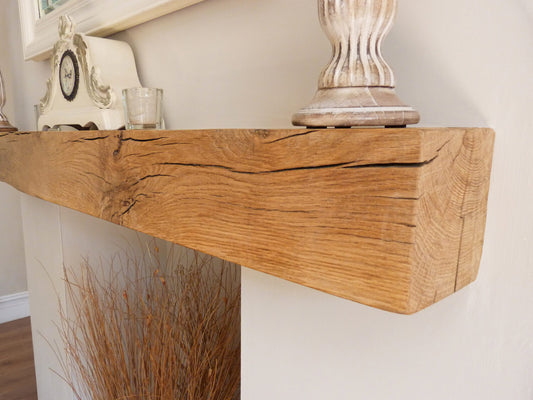
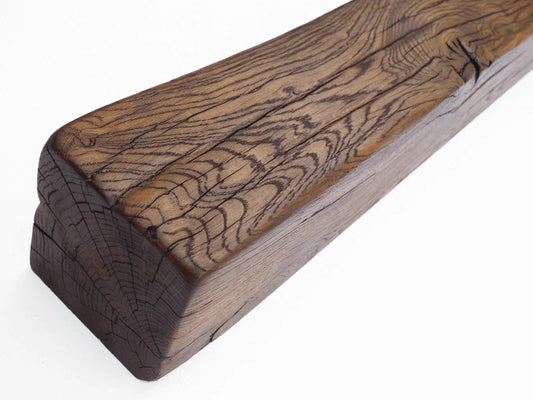
One of the things we appreciate most about working with oak is that no two boards are exactly alike. Even when timber comes from the same source, you'll find differences in grain, colour and natural markings, all of which contribute to the finished appearance of a worktop.
Traditional Beams works with character-grade European oak, carefully selecting timber that brings warmth and individuality to our products. Depending on the worktop range, you may see more pronounced knots and grain variation or a relatively consistent appearance across the surface.
It's worth thinking about how much natural character you'd like your worktop to have, particularly if you're choosing cabinetry and other kitchen features at the same time.
For Contemporary Kitchens
A full-stave oak worktop with a relatively understated grain can complement modern kitchen cabinetry beautifully, especially when paired with simple handles, neutral colours and clean architectural lines.
The timber introduces warmth without making the room feel overly rustic, while the longer grain patterns can help create a more refined appearance.
If you're using oak elsewhere in the room, perhaps through oak window beams or timber details around the kitchen windows, there's no need to match every piece perfectly. Natural variation can make the different elements feel more individual while still creating a connection between them.
For Traditional and Rustic Kitchens
If you're working with a country kitchen, period property or a room that already has plenty of natural character, a rustic oak worktop can complement the surrounding materials.
Knots, colour changes and distinctive grain patterns can look particularly appealing alongside painted cabinetry, stone flooring and exposed timber. In kitchens with oak beams, the worktop can help bring the natural timber theme through the room without needing every surface to have the same finish. The aim is to choose a worktop that feels comfortable alongside the existing features rather than trying to recreate their exact appearance.
For Kitchen Islands and Feature Surfaces
A kitchen island often provides a larger uninterrupted area of worktop, making it an excellent place to showcase the natural grain of oak.
Full-length staves can be particularly effective here, especially when you choose wider boards that allow individual grain patterns to become more prominent. Traditional Beams' ultra-wide stave options are worth considering for this type of project, particularly if you're looking for a substantial piece of timber with a distinctive appearance.
TB Tip: When choosing between different oak worktops, consider how much of the surface will actually be visible once the kitchen is finished. A large island offers plenty of opportunity to appreciate wider staves, while a shorter run interrupted by appliances may benefit less from the visual difference.
Choosing the Right Oak Worktop Dimensions

Once you've settled on the appearance of your oak worktop, the next step is making sure the dimensions suit your kitchen. This is particularly important with solid timber because the worktop needs to accommodate your cabinetry, appliances and any planned overhangs, while allowing for the natural movement of the wood.
Rather than relying solely on standard kitchen measurements, we'd recommend working from the actual dimensions of your units and the finished layout.
Length: Think About the Complete Kitchen Run
Measure the full length of each worktop section, including any areas that extend beyond the cabinets. For longer kitchens or layouts with corners, consider where joins will be needed and how they'll affect the finished appearance. If you're choosing full-stave oak, the position of those joins may be particularly important because of the continuous grain along each board.
It's also worth checking whether your preferred length falls between the standard sizes available. Traditional Beams offers a straightforward cut-to-size service for this situation. Simply order the next standard size up and include your exact required length in the checkout notes.
For more complex layouts, our workshop can discuss bespoke manufacturing options just get in touch with the team!
Depth: Allow for Cabinets and Exposed Edges
The depth of your worktop should account for the cabinetry beneath it, any exposed edges and the way you intend to use the surface. As a general guide, Traditional Beams recommends allowing a 20–30mm overhang at the front or exposed edges of a worktop.
If you're planning a breakfast bar or seating area, you'll need to consider a larger overhang and whether additional structural support is required.
Our worktop guidance specifies that unsupported overhangs should not exceed 250mm, with additional support needed beyond this point. We'll explore these considerations in more detail in our dedicated installation guide.
Thickness: 32mm or 40mm Oak Worktops?
Thickness can make a noticeable difference to the overall appearance of your kitchen.
A 32mm oak worktop can provide a slightly lighter visual profile, particularly when paired with contemporary cabinetry, while a 40mm worktop creates a more substantial edge.
Traditional Beams offers 32mm and 40mm options within selected ranges, although availability varies depending on the particular worktop design. The right choice will depend on your preferred appearance, the worktop construction and the requirements of the installation.
Cut-to-Size and Made-to-Measure Oak Worktops

Not every kitchen fits neatly around standard worktop dimensions, particularly when you're renovating an older property or working with a bespoke kitchen design.
At Traditional Beams, we offer flexibility for customers who need something a little different. If your required worktop length falls between our standard sizes, you can order the next size up and provide your exact measurements at checkout.
For custom widths, unusual shapes or more involved projects, we'd recommend contacting our North Yorkshire workshop directly for a bespoke quotation. This can be particularly useful when you're working around existing architectural features, planning a kitchen island or trying to achieve a specific appearance with full-length oak staves.
By discussing the project before ordering, we can help you explore the available options and find a worktop that suits your kitchen rather than asking you to compromise on the finished layout.
Unfinished or Pre-Oiled Oak Worktops: Which Is Right for You?
Once you've chosen your preferred oak worktop, you'll need to think about how you'd like the timber to be finished. This is an important decision because the finish influences both the appearance of the oak and how the surface is protected during everyday use.
At Traditional Beams, we offer unfinished and pre-oiled options across selected worktop ranges, giving you the flexibility to choose the approach that best suits your kitchen project.
Unfinished Oak Worktops
An unfinished oak worktop is supplied ready for the appropriate preparation and protective treatment before installation and use.
This can be a good option if you're working with a kitchen fitter who will be finishing the timber as part of the installation, or if you have a particular compatible product or colour in mind.
However, unfinished oak shouldn't be left exposed to everyday kitchen use. The timber needs suitable protection, including the underside, edges and any cut surfaces, to help manage moisture exposure and natural timber movement.
Pre-Oiled Oak Worktops
Choosing a pre-oiled worktop means the initial finishing process is carried out by our workshop, which can be particularly convenient if you'd prefer to avoid applying the finish yourself.
We recommend Rubio Monocoat Oil Plus 2C for our oak worktops, a protective finish that enhances the natural appearance of the timber while offering a choice of colours.
It's worth remembering that even a professionally finished solid oak worktop will require appropriate care, particularly around sinks and other areas regularly exposed to moisture.
Which Option Should You Choose?
|
Choose Unfinished If... |
Choose Pre-Oiled If... |
|
You want your fitter to apply a specific compatible finish |
You'd prefer the workshop to carry out the initial finishing |
|
You're coordinating the finish with other timber features |
You want to select from the available pre-finished options |
|
Your project requires additional preparation or finishing on site |
You'd like to reduce the amount of finishing work needed during installation |
TB Tip: If you're trying to coordinate your worktops with existing oak features, don't rely entirely on photographs or colour names. Natural oak varies from piece to piece, and the same finish can look slightly different depending on the grain and character of the timber.
Choosing Oak Worktops for Different Kitchen Layouts and Features

One of the advantages of solid oak is how comfortably it works across different kitchen styles. You might be creating a contemporary kitchen with handleless cabinetry, renovating a traditional cottage or introducing a natural timber feature into an otherwise modern space.
The right worktop isn't necessarily the most expensive option. It's the one that suits the overall design, your budget and how you intend to use the kitchen.
Here are a few combinations we'd consider:
|
Kitchen Project |
Our Recommendation |
|
Modern kitchen renovation |
Full-stave oak with a relatively consistent appearance to complement clean cabinetry |
|
Traditional country kitchen |
Characterful oak with visible knots and grain variation |
|
Budget-conscious renovation |
Finger-jointed solid oak for a more economical alternative to full-stave construction |
|
Large kitchen island |
Wider full-length staves to showcase the natural grain |
|
Utility room |
Solid oak with a suitable protective finish and careful attention to moisture-prone areas |
|
Unusual kitchen layout |
Bespoke dimensions discussed directly with our workshop |
These are starting points rather than fixed rules. A characterful rustic worktop can look beautiful in a contemporary kitchen, just as a more understated full-stave design can complement traditional cabinetry.
Bringing Oak into an Open-Plan Kitchen

If your kitchen opens into a dining or living area, it's worth thinking about how the worktop will relate to the other furniture and architectural features.
For example, you might choose a solid oak worktop for the kitchen and introduce a complementary oak table top in the dining area. The two pieces don't need identical grain patterns or finishes, but using natural timber in both spaces can create a connection between them.
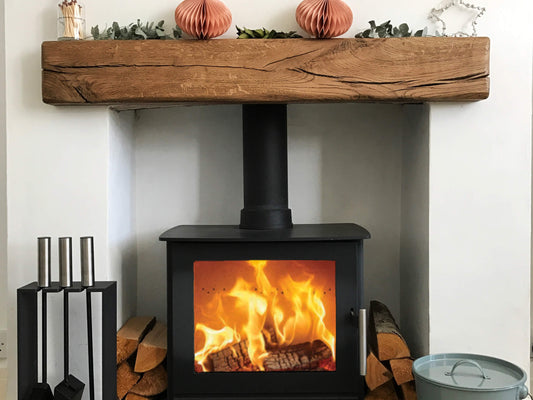
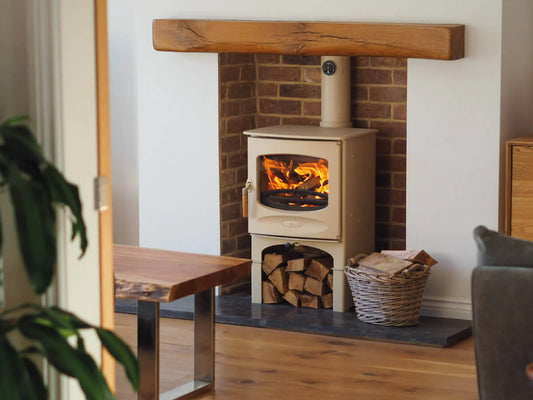
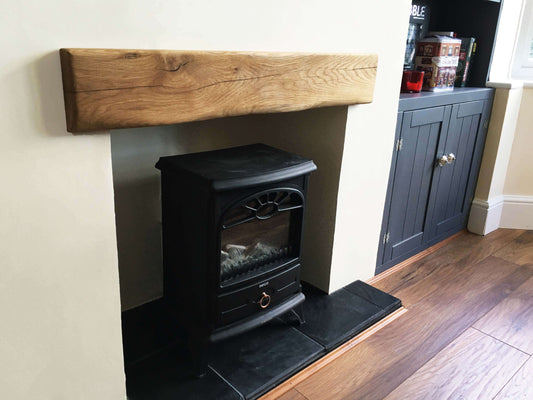
The same principle works when your kitchen shares a space with a living area featuring an oak fireplace beam. Choosing timber tones that complement one another can help the different areas feel connected without making everything look overly coordinated.
Working with Existing Oak Features
In older properties, you may already have exposed beams, timber flooring or other architectural details that influence your kitchen design. A new oak worktop can sit beautifully alongside these features, although we'd generally recommend considering the overall balance of timber rather than trying to match every surface.
For example, if your kitchen has substantial oak structural beams overhead, a relatively understated worktop can introduce additional warmth without competing with the existing timber.
You might also want to consider smaller finishing details, such as oak window sills, which can help bring natural timber into different parts of the room. The aim is to create a kitchen that feels cohesive while allowing each piece of oak to retain its individual character.
When Is a Bespoke Oak Worktop Worth Considering?
Standard worktop sizes are suitable for many kitchen projects, but there are times when a made-to-measure approach can make the finished installation much easier to plan.
This is particularly true in older properties, where walls aren't always perfectly straight, or in kitchens with unusual dimensions and features that need to be accommodated.
At Traditional Beams, our North Yorkshire workshop can discuss bespoke solid oak worktops for projects that require something beyond the standard range.
A Few Reasons to Consider Bespoke
- Your Kitchen Has Unusual Dimensions
If you're working with a narrow kitchen, an awkward corner or a layout that doesn't suit standard worktop widths, bespoke manufacturing may provide a more suitable solution.
- You're Planning a Feature Kitchen Island
A substantial island can be an excellent place to showcase full-length oak staves, particularly when you want the timber grain to become part of the overall design.
Our premium ultra-wide stave options may be worth exploring if you're looking for a more distinctive appearance.
- You Have a Particular Finish in Mind
If you're coordinating your worktops with existing oak furniture or architectural features, discussing the available finishes with our workshop can help you explore suitable options.
- You're Working on a More Involved Renovation
Kitchen projects don't always follow standard dimensions, especially when you're incorporating existing structural features, changing the layout or combining different materials.
A bespoke quotation gives you the opportunity to discuss the practical requirements before committing to a particular worktop.
What Should You Have Ready When Enquiring?
You don't need to have every detail finalised, but a few pieces of information will help our workshop understand what you're looking for.
- Approximate Dimensions: The required length, width and preferred thickness.
- Kitchen Layout: Whether the worktop is for a straight run, island or more complex arrangement.
- Preferred Construction: Full-stave, finger-jointed or a particular stave width.
- Timber Character: Whether you prefer a more understated appearance or characterful oak.
- Finish: Your preferred colour and whether you'd like the worktop supplied unfinished or pre-oiled.
- Any Special Requirements: Unusual shapes, specific dimensions or other details that may affect manufacturing.
If you're unsure which options are suitable, we're happy to discuss your ideas and explain what's available.
Your Solid Oak Worktop Buying Checklist

Before placing your order, it's worth making one final check of the main decisions.
Construction: Have you chosen between full-stave and finger-jointed oak?
Appearance: Are you happy with the natural grain and character of your preferred worktop?
Dimensions: Have you checked the required length, depth and thickness against your kitchen layout?
Finish: Do you want an unfinished or pre-oiled worktop?
Installation: Have you discussed any joins, cut-outs and supporting requirements with your kitchen fitter?
Bespoke Requirements: Do you need a custom width, unusual shape or a quotation from our workshop?
If you're ordering a cut-to-size length between standard sizes, remember to select the next size up and provide your exact measurements in the checkout notes. For anything more involved, we'd recommend getting in touch before ordering so we can discuss the options available.
Explore Solid Oak Kitchen Worktops at Traditional Beams
Choosing the right oak worktop is about finding a balance between the appearance you love and the practical requirements of your kitchen. Whether you're drawn to the continuous grain of full-stave oak, the character of rustic timber or the value of finger-jointed construction, there's plenty of flexibility when working with genuine solid wood.
At Traditional Beams, we manufacture our solid oak kitchen worktops using carefully selected European oak, with standard sizes, cut-to-length options and bespoke manufacturing available through our North Yorkshire workshop.
Explore our solid oak worktops to find the right option for your kitchen, or contact our team to discuss a made-to-measure project.