
How to Choose Oak Flooring: A Practical Buying Guide
Choosing oak flooring starts with liking the look of real timber, but there's a little more to it than finding a colour you love. The room you're flooring, what's underneath it, the construction of the boards and even their width can all influence which option is right for your project.
At Traditional Beams, our oak flooring collection includes solid and engineered oak, classic straight boards and herringbone designs, with different grades, widths, textures and finishes to choose from. That gives you plenty of options, but it also means it's worth understanding the differences before you order.
This guide takes you through the decisions that matter, so you can narrow down the range and find an oak floor that works for your home as well as looking the part.
Where Is Your Oak Flooring Going?
Before getting into plank widths and finishes, think about the room itself. Oak is a hard-wearing flooring material, but different spaces place different demands on a floor.
|
Room |
What to Consider |
|
Living room |
Appearance, plank width, foot traffic and how the floor works with existing furniture. |
|
Hallway |
Regular footfall, outdoor dirt and how easy the finish will be to maintain. |
|
Kitchen |
Spills, everyday wear and the stability and finish of the flooring. |
|
Bedroom |
Appearance, warmth and the amount of traffic the floor will receive. |
|
Open-plan space |
How the boards will flow across a larger area and the direction they will be laid. |
|
Moisture-prone area |
Whether engineered oak is a more appropriate choice for the conditions. |
This is an important first step because the floor you love for a living room isn't automatically the best option for every other part of the house.
Bathrooms, basements and other areas with higher moisture levels need particular consideration. Engineered oak flooring generally offers greater stability in changing conditions, but you should always check the suitability of the individual flooring product for the intended room before ordering.
Solid or Engineered Oak Flooring?

Both are real oak floors. The difference is in how they're constructed.
Solid Oak Flooring
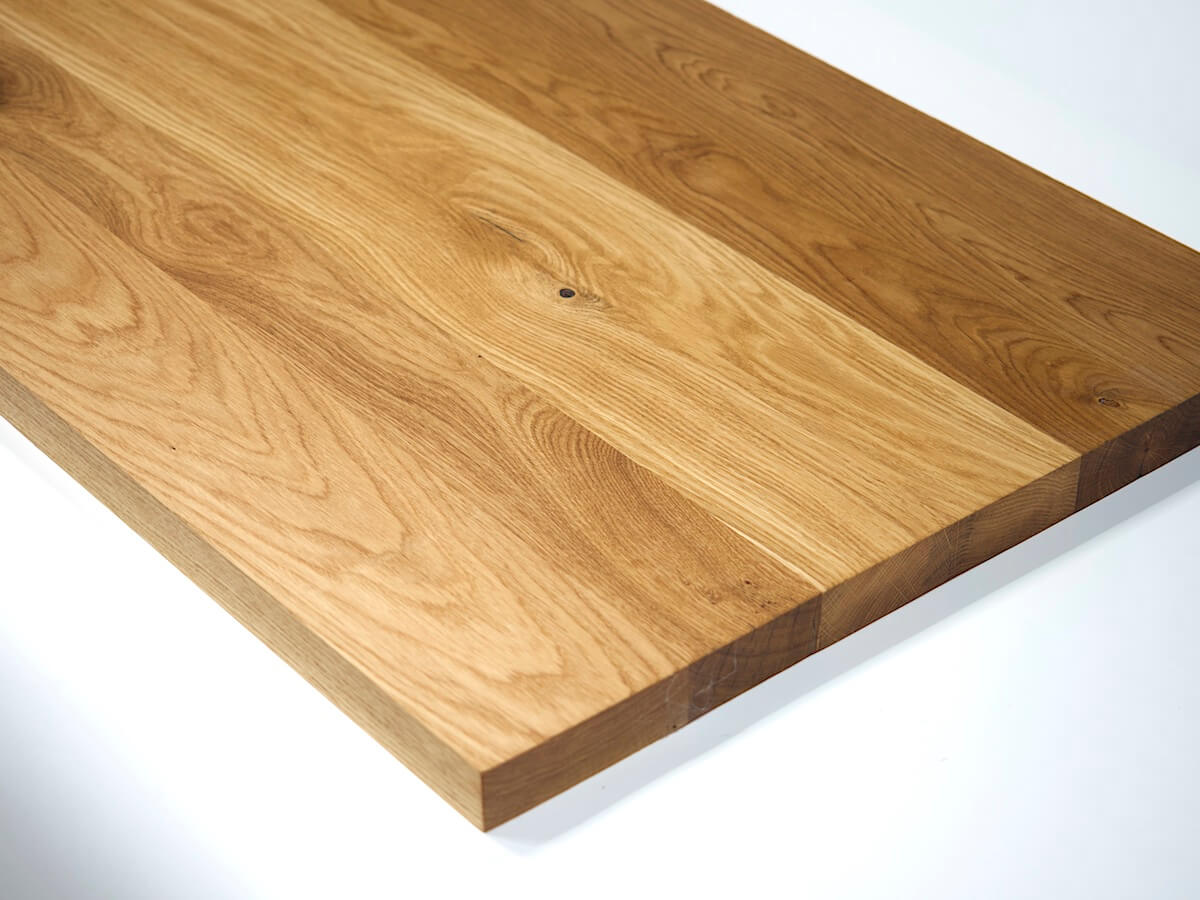
As the name suggests, solid oak flooring is made from oak through the full thickness of the board.
Our unfinished solid European oak flooring, for example, is 20mm thick and uses tongue-and-groove boards with the natural grain, knots and variation you'd expect from real timber.
Solid oak appeals to customers who want a substantial, traditional timber floor with plenty of scope for future refinishing. Because you're working with a solid piece of timber, however, the conditions in the room and the type of subfloor need to be considered carefully.
Engineered Oak Flooring
Engineered oak flooring has a genuine oak surface layer supported by a multi-layered construction underneath.
One misconception worth clearing up is that engineered oak isn't imitation wood or laminate. The surface you see and walk on is real oak. The engineered construction is designed to provide additional stability, which can make it suitable for projects where solid oak may not be the most practical option.
Much of our flooring range uses engineered construction, including options from the Balmoral, Blenheim and Loch collections, as well as our herringbone floors.
So which should you choose?
If you're drawn towards solid oak, consider the room, subfloor and installation requirements first. If stability, changing conditions or underfloor heating are important considerations, engineered oak may give you more options.
Straight Boards or Herringbone?
Once you've narrowed down the construction, you can start thinking about what you actually want the finished floor to look like. The format of the boards can change the character of a room just as much as their colour.
Classic Oak Boards
Traditional straight boards allow the grain of the oak to run through the room, giving you longer sections of timber and a clear sense of direction.
They're extremely versatile. A characterful, textured board can feel at home in an older property, while a cleaner oak with a lighter finish can look completely different in a contemporary interior. Straight boards also work particularly well across larger areas where you want the flooring to flow naturally from one part of the space to another.
Classic boards are worth considering if:
- You want the natural grain of individual planks to stand out.
- You're flooring a large or open-plan area.
- You prefer a simpler pattern underfoot.
- You want plenty of choice in plank widths and finishes.
Herringbone Oak Flooring
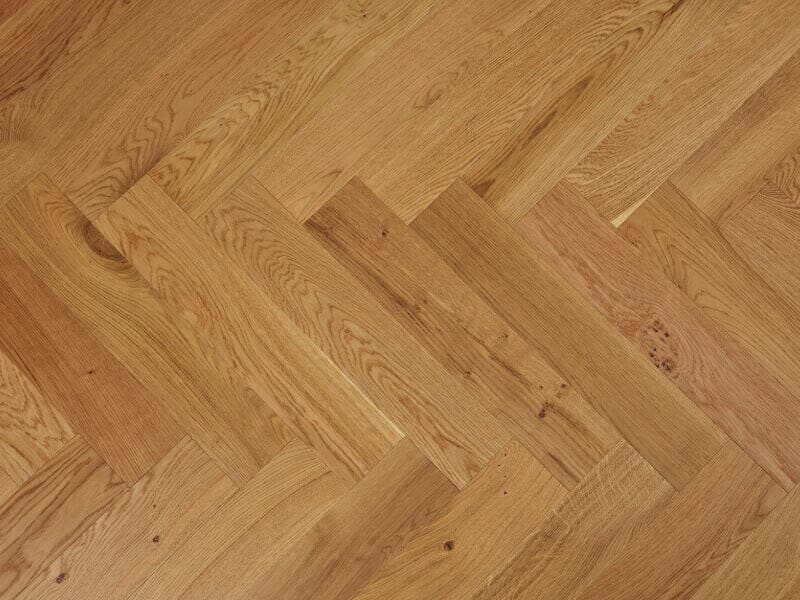
Herringbone creates a completely different effect. The shorter boards are laid in a repeating pattern, creating more movement across the floor and making the layout itself a feature of the room.
Our oak flooring range includes engineered herringbone options such as Eastburry, Chalfield and Burghley, giving you different tones and finishes while retaining that distinctive pattern.
Herringbone could be right for you if:
- You want the flooring to become a stronger design feature.
- You like a more detailed pattern.
- You want to bring interest to an entrance hall, living room or defined area.
- You prefer the rhythm of smaller boards over long planks.
Neither format is inherently more traditional or more contemporary. The oak grade, colour, finish and surrounding interior will have just as much influence on the final result.
What Difference Does Plank Width Make?
Plank width can be easy to overlook when you're comparing flooring online, but once the boards cover an entire room, it becomes much more noticeable. Put simply, the wider the boards, the fewer individual board lines you'll see across the floor.
Narrower Oak Boards
Narrower boards create more repetition across the room. You'll see more individual planks, more joins and more changes in grain as your eye travels across the floor. They can work particularly well when you want a traditional boarded appearance or more visual rhythm underfoot.
Mid-Width Boards
A board around the middle of the range can be an easy option to work with because it doesn't dominate the room in either direction. Within our range, for example, you'll find 150mm Blenheim oak flooring, which gives you enough width to appreciate the character of individual boards without moving into a particularly broad plank.
Wider Oak Planks
As boards become wider, each individual piece of oak has more opportunity to show its grain, knots and natural variation. Our 190mm Blenheim boards are a useful example of how the same flooring family can create a different impression simply through a change in plank width.
Wide oak flooring can be particularly effective across larger rooms and open-plan spaces, where longer sightlines allow you to appreciate the scale of the boards.
Does Wide Plank Flooring Make a Room Look Bigger?

It can influence how spacious a floor feels, but we'd be cautious about treating this as a hard design rule. Wider boards mean fewer joins across the floor, which can create a calmer, less visually busy surface. In some rooms, that can contribute to a greater sense of space.
But plank width is only part of the picture. The direction the boards run, the dimensions of the room, natural light, flooring colour and the amount of furniture all influence how the finished space feels.
Rather than choosing the widest board simply because you want a room to look bigger, think about proportion. A flooring sample is useful for colour, but marking out the width of a few boards on the floor can also help you visualise how much repetition you'll see once the whole room is covered.
What Does Oak Flooring Grade Actually Mean?
Terms such as rustic, character and clean grade describe the appearance of the oak rather than simply telling you whether one floor is better quality than another. This is an important distinction when you're comparing oak flooring.
If You Like Plenty of Natural Character
Look for flooring where knots, grain variation and changes in tone are allowed to play a bigger part in the finished appearance.
Characterful oak makes the natural origins of the floor very obvious. Individual boards can vary noticeably, and those differences become part of the overall effect once they're laid together.
This can work particularly well alongside stone, exposed timber and other natural materials, but it certainly isn't restricted to traditional homes. Character oak can also add warmth and texture to very clean contemporary interiors.
If You Prefer a Cleaner Look
A cleaner grade reduces some of that visual variation, giving the floor a calmer and more consistent overall appearance. You still have the grain and subtle differences you'd expect from genuine oak, but knots and stronger natural features play less of a role.
The important thing is to choose the grade because you like the way it looks, rather than assuming fewer knots automatically means a better floor.
Real oak isn't supposed to look printed or perfectly repeated. Even within a particular grade, individual boards will have their own grain and tonal variation, and seeing that variation across a finished floor is part of choosing a natural material.
Choosing the Right Oak Flooring Finish

Two oak floors can start with the same natural timber and end up looking completely different depending on how they've been finished. This is where it's worth looking beyond colour. A finish can change the texture of the boards, emphasise the grain, deepen the natural tones and influence how you'll care for the floor once it's installed.
Our oak flooring range includes everything from unfinished boards to brushed, oiled, smoked, hand-scraped and lacquered finishes.
Unfinished Oak
Unfinished oak gives you more control over the final appearance because the protective finish is applied after purchase.
This can be useful if you're trying to coordinate a new floor with existing timber or have a particular finish in mind. It does mean there is another stage to complete before the floor is ready for everyday use, so factor finishing into your project schedule.
Oiled Oak Flooring
Oil protects the timber while bringing out more of its natural grain and colour. If you like to see plenty of variation in the oak, an oiled finish can work particularly well because it allows the character of the timber to remain a prominent part of the floor.
Brushed and Textured Finishes
Brushing removes some of the softer grain from the surface, giving the boards additional texture and making the natural structure of the oak more noticeable.
Some of our floors take this further with hand-scraped and distressed finishes. These are worth considering if you prefer a floor with a more established, characterful appearance from the beginning rather than a completely smooth surface.
Smoked Oak Flooring
Smoking is used to create greater depth and variation in the colour of the oak. Depending on the particular flooring, the result can range from a subtly warmer tone to something much richer and darker.
Our Loch collection, for example, includes several floors where smoking is combined with treatments such as brushing, hand-scraping and oiling to create very distinctive finishes.
Lacquered Oak
A lacquered floor has a protective surface coating and can offer a smoother, more uniform appearance than some oiled or heavily textured alternatives. As with any finish, the choice comes down to the look you prefer, how the room will be used and the maintenance you're comfortable with over the life of the floor.
TB Tip: Don't choose your oak flooring from a screen alone. Colours can look different depending on your device, and natural oak responds considerably to the light around it. Order samples of your favourites and look at them in the actual room before making your final decision.
What's Under Your New Floor?

It's easy to spend weeks choosing the perfect oak and only start thinking about the subfloor when installation day approaches. We'd recommend doing it the other way around.
Your existing floor construction can affect which products and installation methods are suitable, so establish what you're working with early in the buying process.
Before ordering, check:
- What type of subfloor you have.
- Whether it's level, clean and dry.
- Whether there are joists to consider.
- How the flooring will be fixed or bonded.
- Whether an underlay or adhesive is required.
- Whether there are any moisture issues to resolve first.
If oak flooring is being fitted directly over joists, the thickness and construction of the boards become particularly important. Our guidance recommends flooring of at least 18mm thick in these situations, but your specific installation should always be checked before ordering.
This is also a good point to involve your flooring installer if you're using one. Showing them the product you're considering before you place the order can prevent an expensive change of plan later.
What About Underfloor Heating?
Underfloor heating is another reason to look at the technical specification rather than choosing purely on appearance. Natural timber responds to temperature and moisture, so not every wood floor should automatically be assumed suitable for every underfloor heating system.
Engineered oak flooring is often the first place to look because its layered construction provides additional stability compared with solid timber. That doesn't mean you should assume every engineered board is suitable either. Check the individual product requirements along with the guidance for your heating system.
Where oak flooring and underfloor heating are being used together, factors such as acclimatisation, controlled temperature changes and maintaining appropriate conditions within the room all become important.
If underfloor heating is part of your project, tell us when you're choosing your flooring. We can help you narrow down the suitable options before you get attached to a particular board.
How Much Oak Flooring Do You Need?

Once you've chosen the floor, don't order exactly the same square meterage as the room. You'll need additional flooring to allow for cuts, board selection and wastage during installation.
For our oak flooring, we generally recommend allowing around 10% extra.
A simple example:
Room area: 20m²
10% allowance: 2m²
Flooring to order: approximately 22m²
Rooms with unusual shapes, lots of corners or more complicated flooring patterns may require a different allowance. Herringbone floor installations also need careful planning because of the additional cuts involved in creating the pattern.
If you're unsure, check the quantity with your installer before ordering.
It's much better to have this conversation at the beginning of the project than discover you're short of flooring when most of the room has already been laid.
Order Samples Before You Decide
Samples aren't just for deciding whether you prefer light oak or dark oak. They give you the chance to see how a flooring finish actually works with the room around it.
Once your samples arrive, don't make the decision immediately. Leave them in the room and look at them at different points during the day.
Put them next to your kitchen cabinetry. A warm oak can look very different against cream, grey, green or dark painted units.
Look at them beside existing timber. Your floor doesn't need to match every wooden feature in the room, but the tones should sit comfortably together.
Check them in natural daylight. Move the samples around rather than leaving them in the brightest spot.
Look again in the evening. Artificial lighting can noticeably change how warm or cool an oak finish appears.
Feel the surface. A brushed or hand-scraped floor isn't only visually different from a smoother board. Texture is part of the finished result too.
And remember that a sample is exactly that: a sample!
Natural oak varies from board to board, so the complete floor won't be a repeated version of the small piece in your hand. Use it to understand the overall colour, finish and texture while still expecting the variation that comes with genuine timber.
Your Oak Flooring Checklist

There's quite a lot to consider, but choosing oak flooring becomes much easier once you work through the decisions in the right order.
Before placing your order, check that you know:
- The room: Where is the flooring being installed?
- Construction: Do you need solid or engineered oak?
- Format: Straight boards or herringbone?
- Plank width: What works with the scale and look of the room?
- Grade: How much natural oak character do you want to see?
- Finish: Unfinished, oiled, brushed, smoked, textured or lacquered?
- Subfloor: What are you installing the flooring onto?
- Underfloor heating: Is your chosen product suitable?
- Quantity: Have you allowed enough for cuts and wastage?
- Samples: Have you seen your preferred floor in the room itself?
You don't need to make every decision at once. Start with the practical requirements of the room and you'll usually find that the range begins to narrow naturally.
Find the Right Oak Floor for Your Home
Our oak flooring collection brings together solid and engineered European oak in a wide choice of plank widths, grades, colours and finishes, from understated straight boards to characterful herringbone designs.
Once you've narrowed down what your project needs, compare a few options and order samples of the floors you're considering. Seeing the oak alongside your own furniture, cabinetry and natural light can make the final decision considerably easier.
And if you're caught between two floors, unsure whether solid or engineered oak is right for the room, or need help with a particular specification, get in touch with the Traditional Beams team. We can talk through the project with you and help you narrow down the options before you order.