
Herringbone, Wide Plank or Classic Boards? Finding Your Oak Flooring Style
The format of your oak flooring can change a room before you've even started thinking about furniture, paint colours or finishing touches.
Herringbone introduces pattern and movement. Wide oak planks give individual boards and their natural grain more space to stand out. Classic straight boards sit somewhere in between, creating the familiar flow of a timber floor without asking the pattern itself to become the main feature.
There isn't one format that works best for a particular type or age of property. We've seen characterful oak look completely at home in contemporary spaces and cleaner flooring bring a fresh feel to older interiors.
The better question is: what do you want the floor to bring to the room?
Herringbone: When You Want the Floor to Be Seen

There's a reason herringbone tends to catch your eye.
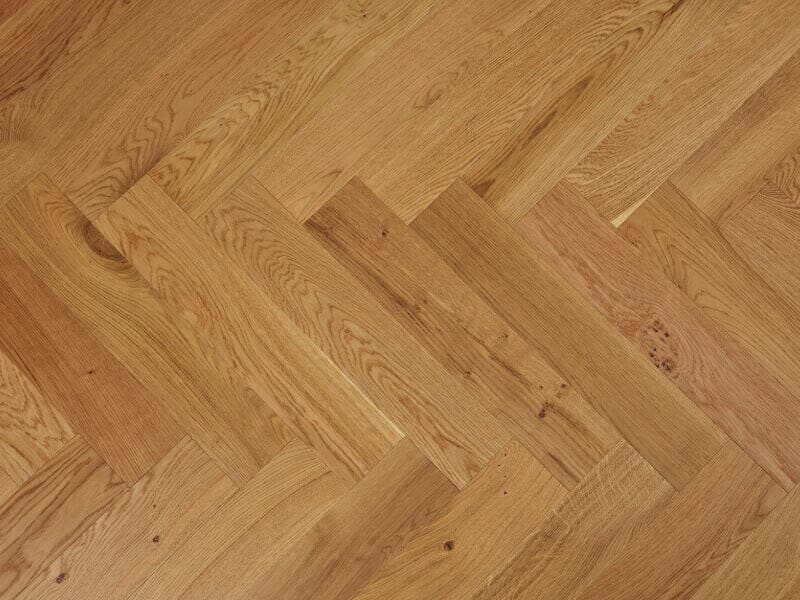
Instead of long boards running in one direction, shorter pieces are arranged into a repeating pattern. That change in direction creates movement across the floor and makes the layout itself part of the design. It can be a great choice when you want your oak flooring to have a stronger presence rather than simply providing the backdrop to everything else.
Our herringbone flooring range includes Eastburry, Chalfield and Burghley oak flooring, each offering a different take on the pattern through its tone and finish.
Where Does Herringbone Work Well?
You don't need an enormous period hallway to make herringbone work.
It can be particularly effective in:
- Entrance halls where the floor is one of the first features you see.
- Living and dining rooms where you want to introduce more detail.
- Open-plan spaces where flooring can help define a particular area.
- Kitchens where the pattern provides contrast against simple cabinetry.
- Smaller rooms where you want to make the floor a deliberate feature.
One thing we'd avoid is choosing herringbone purely because you think it's the more luxurious option. Pattern creates visual activity, and whether that's right depends on everything else happening in the room.
If you already have highly detailed cabinetry, strong wallpaper, patterned furnishings or lots of architectural features, it's worth looking at your flooring sample alongside them before deciding how much more detail the room needs.
Wide Plank Oak Flooring: Let the Timber Take Over

Wide boards create interest in a completely different way.
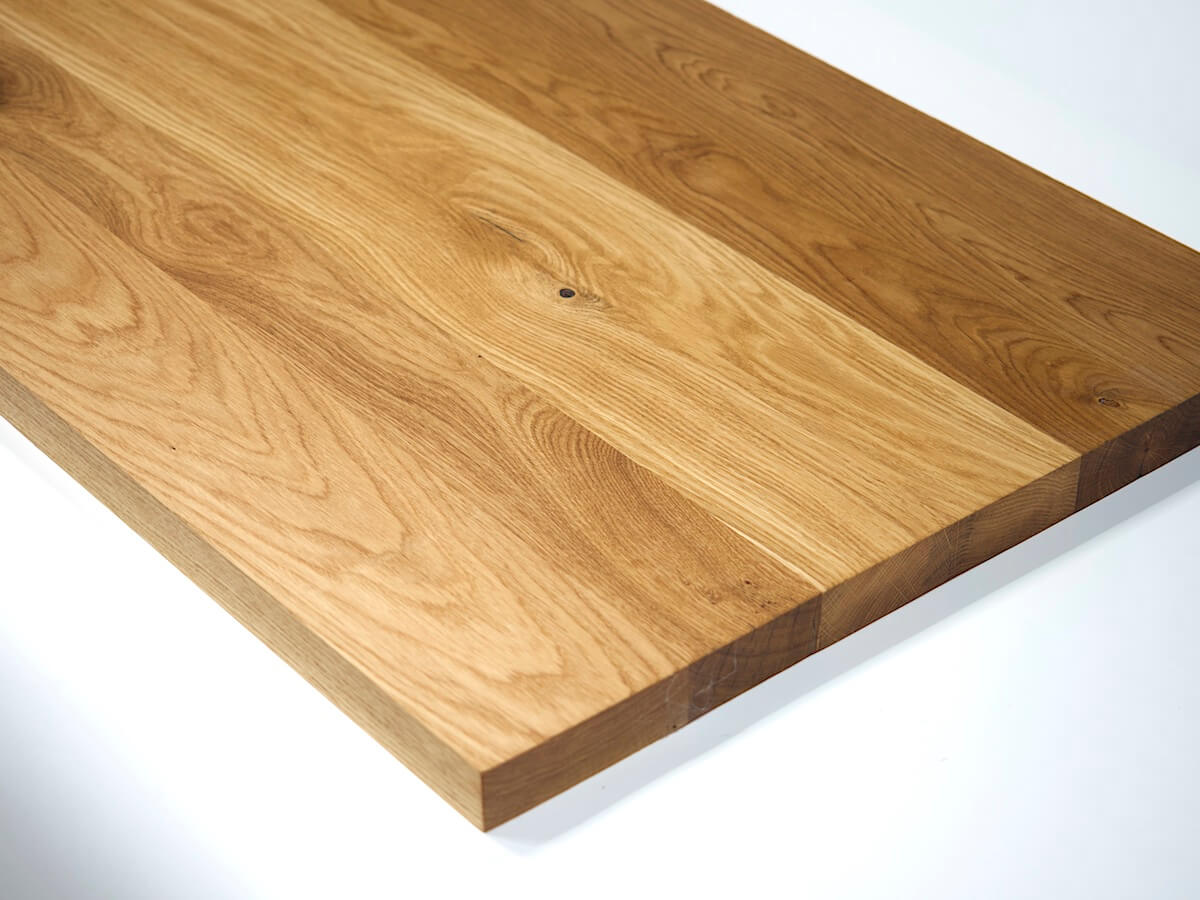
There are fewer joins across the floor, so your eye has more time to take in each individual piece of oak. Grain patterns, tonal changes and natural characteristics become much more noticeable. That's one of the reasons wide plank oak flooring can feel particularly substantial.
Rather than creating interest through a repeating pattern, the oak itself becomes the feature.
Wide Planks Aren't Just for Big Country Homes
Wide oak floorboards naturally suit properties where timber is already part of the character, but they don't have to create a heavily rustic look. Pair broader oak boards with simple walls, contemporary furniture and clean architectural lines and the effect can be completely different. The timber introduces warmth and texture without making the whole room feel traditional.
In larger rooms and open-plan spaces, wide planks can also help create a calmer visual flow because there are fewer board lines breaking up the floor. Our range includes broader boards around 190mm wide, including options within the Blenheim collection, giving you plenty of oak surface to appreciate the grain and finish.
Does Wide Plank Oak Flooring Work in a Small Room?
There's an old idea that small rooms automatically need narrow flooring, but we'd be careful about treating that as a rule.
Wider boards mean fewer joins, which can actually make a floor appear less busy. What matters is how the board width works alongside the proportions of the room, the direction the floor runs and the amount of furniture covering it.
If you're uncertain, try marking several board widths onto the existing floor with low-tack tape. Seeing three or four boards at their actual scale can tell you far more than looking at the measurements on a product page.
Classic Oak Boards: The Flexible Option

Sometimes you don't need the flooring pattern to make a statement.
Classic straight oak boards give you the familiar appearance of a traditional timber floor, but there's still a huge amount you can do with them. Change the width, grade, colour or surface treatment and the same basic board layout can move from rustic and characterful to clean and contemporary.
That's what makes straight boards such an adaptable choice.
They work particularly well if:
- You want the grain to flow naturally through the room.
- You're using the same flooring across several connected spaces.
- You want the furniture or architecture to provide more of the visual detail.
- You like a timber floor that won't dictate the rest of the interior.
- You want plenty of choice when it comes to widths and finishes.
Our oak flooring collection includes classic boards across the Balmoral, Blenheim and Loch ranges, so choosing a straight layout certainly doesn't mean limiting your options.
In fact, this is where finish becomes especially important. A pale, relatively understated straight board and a smoked, brushed or hand-scraped version can create completely different rooms even though they're laid in essentially the same format.
Three Formats, Three Different Starting Points
If you're caught between them, it can help to forget about labels such as traditional and modern for a moment. Instead, think about what you want to notice when you walk into the room.
|
If You Want to Notice... |
Consider... |
|
Pattern and movement |
Herringbone |
|
Individual grain and larger sections of oak |
Wide planks |
|
A simple, flowing timber floor |
Classic boards |
|
A strong flooring feature |
Herringbone or a characterful wide plank |
|
A quieter backdrop for the room |
Classic boards or a cleaner wide plank |
That's only a starting point, of course. A dark smoked herringbone floor will feel very different from a lighter one, just as a heavily charactered wide board creates a different effect from cleaner-grade oak.
Which Way Should Your Oak Floorboards Run?

Once you've settled on straight boards, there's another visual decision to make: which direction should they run?
There's no single layout that works for every room. The direction of the boards can draw your eye through a space, emphasise its proportions and affect how adjoining areas connect.
In a long room or hallway, running boards lengthways tends to reinforce that sense of direction. In an open-plan space, you might instead use the longest sightline or the flow between different areas to guide the layout.
Natural light is worth considering too. Depending on the room, running boards towards a main source of daylight can emphasise the length of the planks and the grain within them.
Before installation, stand at the main entrance to the room and look at where your eye naturally travels. Then consider the views from adjoining rooms. Flooring covers a large surface, so it's worth thinking beyond how it looks from one position.
Herringbone works differently because the repeated pattern creates movement in more than one direction. Even then, the orientation of the pattern can influence where the eye is drawn, so we'd still plan the layout before installation begins.
Light Oak or Dark Oak Flooring?

Colour has a big influence on the finished room, but we'd avoid choosing oak flooring based on a simple rule such as light floors for modern homes, dark floors for traditional ones.
Both can work in either.
Lighter Oak
Lighter finishes keep more of the natural brightness of the timber visible and can create a fresh, relaxed feel. They work particularly well when you want the grain to add texture without the floor becoming visually heavy. Combine lighter oak with pale walls and simple furniture for a softer look, or use it to bring warmth to a room with cooler contemporary finishes.
Richer and Darker Oak
Deeper tones bring more visual weight to the floor and can emphasise grain, knots and texture. They're a natural fit with rich paint colours, stone, exposed brick and other traditional materials, but they can also create striking contrast against simple contemporary walls and furniture.
The Loch collection is particularly useful if you're drawn to flooring with greater depth and character, with smoked, brushed and textured treatments creating more variation across the oak.
The important thing is to judge the colour in your room, not in isolation.
How Much Oak Character Do You Want to See?

Colour is only one part of the finished floor. Two floors with a similar overall tone can feel very different if one has prominent knots and grain variation while the other has a cleaner appearance.
This is where we'd think about the atmosphere you're trying to create.
For a relaxed, natural floor: Let knots, tonal variation and grain become part of the room. This can work beautifully with wide boards because there's more timber surface for those characteristics to show.
For something quieter: Look towards cleaner oak and a more restrained finish. You'll still see natural variation, but the flooring can sit more comfortably in the background.
For an established, textured appearance: Brushed, smoked, hand-scraped and distressed finishes can give the floor more depth from the moment it's installed.
There's no need to remove every knot and variation to make oak work in a contemporary room. Equally, a period property doesn't automatically require the most rustic floor you can find.
Match the Floor to the Feeling
If you're struggling to picture the different options, it can help to think about the overall feel of the room rather than trying to assign your home a particular interior style.
Light, Calm and Natural
Consider lighter oak with a relatively simple straight-board layout. The floor provides warmth and grain without introducing too much pattern, making it easy to combine with neutral walls, natural fabrics and simple furniture.
Rich and Characterful
This is where smoked oak, visible grain and more textured finishes come into their own. A wider board can give those natural features more space, while deeper colours work particularly well alongside stone, brick, fireplaces and other substantial materials.
Clean with a Strong Feature
Keep the rest of the room relatively restrained and let herringbone provide the detail.
This works particularly well where cabinetry, walls and furniture have simpler lines. The floor brings movement without needing lots of additional pattern elsewhere.
Natural Oak with a Contemporary Edge
Try wider straight boards with clean walls, modern furniture and darker metal details. You still get the warmth and variation of real oak, but the surrounding materials stop the room feeling overly traditional.
These aren't formulas. They're simply useful starting points when you're looking through twenty different floors and wondering how they'll translate from a sample into a complete room.
Don't Forget What's Already in the Room

Unless you're starting with an entirely empty property, your oak flooring needs to live alongside materials and colours you've already chosen.
Before making the final decision, look around the room.
Existing timber
Your oak floor doesn't need to perfectly match an oak fireplace, staircase, beam or window feature. In fact, chasing an exact match between natural timbers can be frustrating because every piece varies. Aim for tones that sit comfortably together instead.
Kitchen cabinetry
Place flooring samples directly against cabinet doors and plinths. The combination is much easier to judge when the materials are actually touching.
Stone and brick
Characterful oak can work beautifully alongside both, but look at the undertones within the materials rather than simply deciding that they're all "rustic".
Metalwork
Black handles, steel-framed doors, lighting and other metal details can provide useful contrast against warmer oak.
Wall colour
Paint can make the same oak flooring appear warmer, cooler, lighter or darker. If you're changing both, compare your flooring samples with your actual paint samples before committing to either.
Put Your Shortlist on the Floor
Once you've narrowed the choice to two or three options, stop looking at them on a screen. Order samples and put them on the floor in the room where they'll actually be used.
Then leave them there for a while!
Look at them first thing in the morning. Look again when direct daylight enters the room. Check them on a dull afternoon and under your usual lighting in the evening.
Move them next to furniture, cabinetry and other timber.
And don't only ask:
Which colour do I like?
Also ask:
Do I want more or less visible grain?
Does this texture work with the rest of the room?
Would I like to see this much variation across an entire floor?
Does the board format suit the scale of the space?
Do I want the floor to stand out or settle into the background?
A flooring sample can't show every knot, grain pattern or tonal variation you'll see across a complete natural oak floor, but it gives you a much better starting point than a photograph.
Find Your Oak Flooring Style

Herringbone, wide planks and classic oak boards can all work in traditional or contemporary homes. The difference comes from how the board format combines with the grade, colour, texture and room around it.
- Choose herringbone when you want pattern and movement to play a bigger part.
- Look towards wide plank oak flooring when you want larger sections of timber and natural grain to take centre stage.
- Keep things simpler with classic straight boards when you want an adaptable oak floor that can flow easily through the room or across connected spaces.
Our oak flooring collection includes all three approaches, with solid and engineered flooring options across a wide range of finishes. Order a few samples, try them in your own space and see which one still catches your eye after you've lived with it for a few days.
If you've narrowed it down but can't quite make the final choice, get in touch with the Traditional Beams team. Tell us a little about the room and the look you're trying to create, and we can help you compare the options.