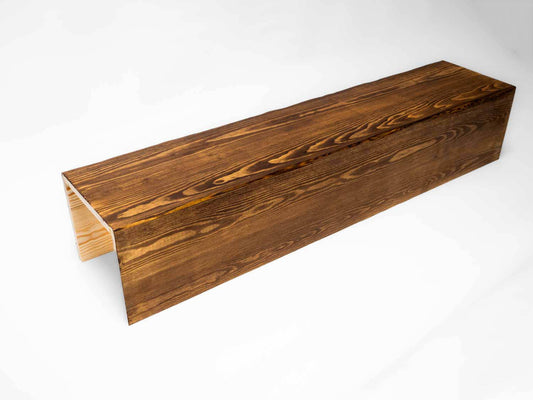
Box Beams

Hollow box beams, also known as faux oak beams or RSJ covers, are designed to replicate the appearance of solid timber while offering a more practical and lightweight solution. They are commonly used to cover exposed steel beams, lintels or structural elements, allowing you to achieve the look of a traditional oak beam without the weight or complexity of installing solid timber.

Our box beams are handcrafted to order using high-quality oak or pine, with each piece finished to match the natural grain, tone and character of real wood. The result is a clean, consistent finish that works across both traditional and modern interiors.
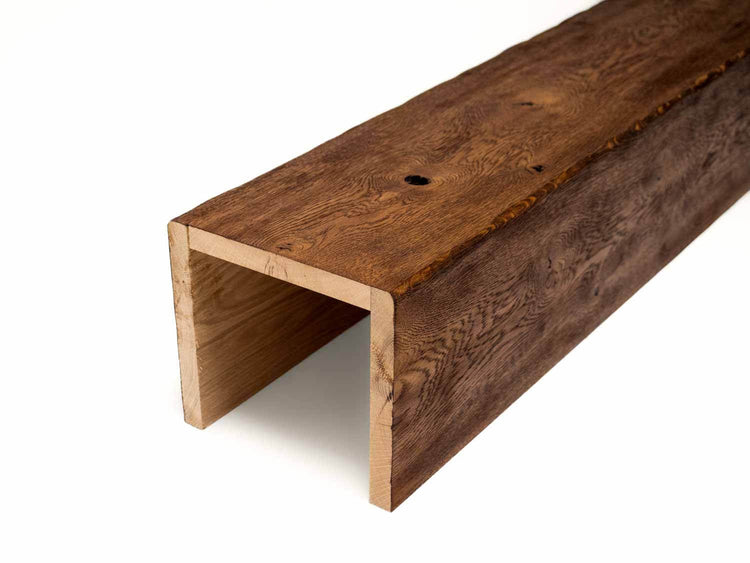
Box Beams

A Practical Alternative to Solid Oak Beams

Box beams are often chosen where a solid beam isn’t practical as they are hollow, significantly lighter and easier to handle during installation. This makes them particularly well suited to retrofit projects or spaces where structural support is limited.

They also provide a more efficient use of materials, making them a cost-effective option while still delivering a high-quality finish. For projects where structural strength is required, a solid oak beam may be more appropriate. However, where the goal is visual impact rather than support, hollow beams offer a straightforward and reliable solution.

Designed to Cover RSJs and Structural Steel

One of the most common uses for hollow box beams is covering RSJs (Rolled Steel Joists) and other exposed structural elements. Rather than leaving steelwork visible, a box beam can be fitted around it to create a clean, timber-style finish that blends with the rest of the room.

They can also be used to conceal:

  • Lintels
  • Pipework
  • Cabling
  • Uneven structural finishes

This makes them a practical option for both renovations and new installations.

Oak and Pine Box Beams

We offer box beams in both oak and pine, depending on your requirements.

Oak Box Beams

Designed to closely replicate solid oak, these beams retain natural grain detail and character. They are well suited to spaces where you want a consistent finish alongside oak fireplace beams, oak shelves or other timber features.

Pine Box Beams

A more flexible and cost-effective option, pine box beams can be produced in longer lengths and finished to match a wide range of styles. This makes them particularly useful for larger spans or projects where continuity is important.

Hollow Box Beam Finishes 

Box beams can be finished to match other timber features within your space, helping to create a consistent look.

Available finishes include:

  • White
  • Antique Pine
  • Medium Oak
  • Rugger Brown
  • Walnut
  • Jacobean
  • Black

Darker, more textured finishes tend to suit traditional interiors, while lighter tones work well in modern spaces. Each finish is applied to enhance the grain while protecting the surface, creating a durable and natural-looking result.

Where are Box Beams Used?

While most commonly used as RSJ covers, hollow beams can also be used in a range of decorative applications.

These include:

  • Ceiling features
  • Wall framing
  • Mantels and shelving
  • Concealing imperfections in walls or openings

They are often used alongside oak fireplace beams or solid oak shelves to create a consistent finish across the room.

Box beams are designed for decorative use only, they should not be used for structural support, and are not suitable for external applications where exposure to the elements may cause movement or warping. When installing over steelwork, building regulations may require the use of fire-rated materials beneath the beam. It’s important to check requirements before installation to ensure compliance.

Box Beam Installation 

Due to their lightweight construction, hollow beams are generally easier to install than solid timber beams. They are fitted around existing structures and secured using appropriate fixings, with wooden plugs often used to create a clean finish. Just be aware that the steelwork building regulations may specify the need to fit an interior layer of fire-rated plasterboard before adding the beam box.

Maintenance is minimal. Regular dusting is usually enough to keep the surface clean, with occasional sanding or re-waxing helping to maintain the finish over time if required.

Box Beams
FAQ's

What is a box beam?

A hollow box beam is a wooden decorative fascia that can be applied over the top of bulkheads and RSJs throughout the home. They serve no structural purpose, but provide a unique aesthetic that is more akin to the structural elements of cottages and period homes.


How do I cover an RSJ with a box beam?

Depending on the beam you buy, we’ll include various fixings to be used to keep the RSJ cover secure. Thankfully, our innovative design makes the installation process easy. Simply drill out the holes for the fixings, place them in the wall, and offer the beam cover up to it. Then, screw through the cover to secure it in place.


Can box beams be made to custom sizes?

Absolutely! These decorative wooden beams can be made to measure in various sizes. The easy re-sizing makes them a great choice for various building projects. 


Can box beams be matched to other oak features?

They can be finished to match other elements such as fireplace beams, shelves or window boards, helping to create a consistent look across the space.


How do you maintain hollow box beams?

Maintenance is minimal. Regular dusting is usually enough to keep them clean, with occasional sanding or re-waxing helping to refresh the finish if needed over time.


How are box beams installed?

They are typically fixed in place using internal supports or battens, with the outer faces secured and any fixings concealed. This allows the beam to sit tightly around the structure while maintaining a clean finish.


Do box beams need anything underneath them when covering steel?

In some cases, building regulations may require fire-rated materials, such as plasterboard, to be installed around the steel before the box beam is fitted. This will depend on the specific installation and should be checked beforehand.


Are box beams suitable for ceiling features?

They’re often used to create ceiling beams where a solid timber beam would be too heavy or impractical. Because they are lightweight, they can be installed more easily while still delivering the same visual impact.


What’s the difference between a box beam and a solid oak beam?

A solid oak beam is a single piece of structural timber, while a box beam is hollow and used for decorative purposes. Box beams are lighter, easier to install and more cost-effective, but they are not designed to provide structural support.


Are box beams suitable for all RSJ sizes?

They can be made to suit a wide range of sizes, but the exact dimensions will depend on the span and the material used. Pine box beams are often preferred for longer runs, while oak is typically used where a more traditional finish is required.