
Why Choose Oak Shelves with Brackets?
Not every shelf needs hidden fixings. With oak shelves and brackets, the supports become part of the finished design, combining the natural character of solid timber with visible metalwork for a stronger, more distinctive look. They're equally at home holding everyday kitchenware, filling an awkward alcove or creating useful storage in a living room, study or utility space.
At Traditional Beams, our oak bracket shelves are made from solid European oak and available in different depths, bracket styles and finishes. This means you can choose a shelf based on how you actually plan to use it, as well as how you want it to look. From narrower shelves for decorative displays to deeper options for books, crockery and everyday storage, there's plenty of flexibility.
The brackets themselves also make a difference. Rather than simply supporting the oak, their position and design influence the overall character of the shelf. If you're deciding whether oak bracket shelves are right for your home, it helps to consider the timber, bracket style, shelf depth and wall you're fixing into before making your choice.
Why Keep the Brackets on Show?

Choosing visible brackets isn't simply about how the shelf is supported. They can completely change how it looks on the wall.
More Character
The contrast between natural oak and metal brackets gives these shelves their distinctive appearance. Grain, knots and tonal variation in the timber sit alongside the clean lines of the brackets, creating a combination that works particularly well when you want your shelving to have some presence.
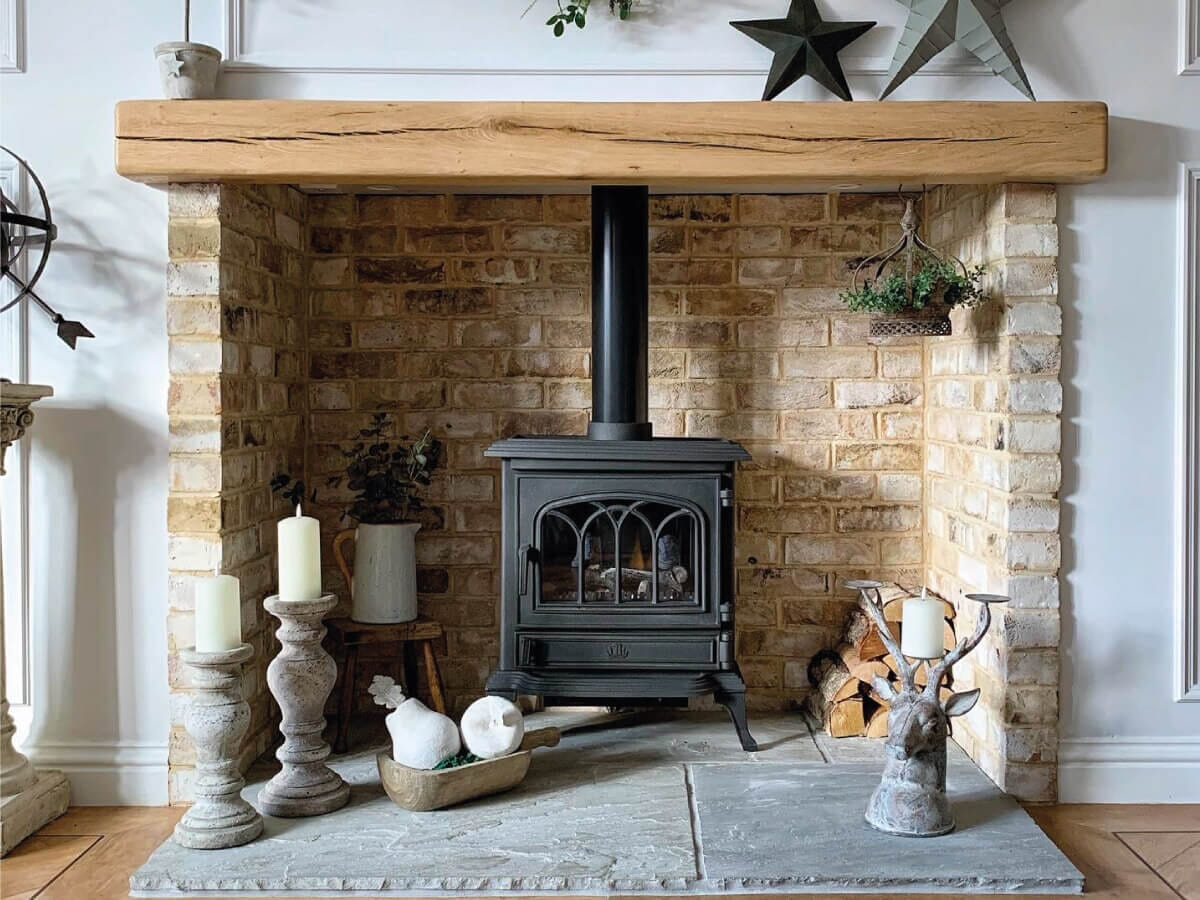
The brackets can also help introduce another material into the room. They sit particularly well alongside other metal details, from cabinet handles and lighting to wood-burning stoves and traditional ironwork.
A More Substantial Look
Visible brackets give oak shelving a more established, substantial appearance. This can work particularly well above furniture, within alcoves or as part of a run of open kitchen shelving where the shelves are intended to become a noticeable part of the room.
They're also well suited to interiors where practical details aren't necessarily meant to disappear. Instead of concealing how the shelf is supported, the bracket becomes part of the design.
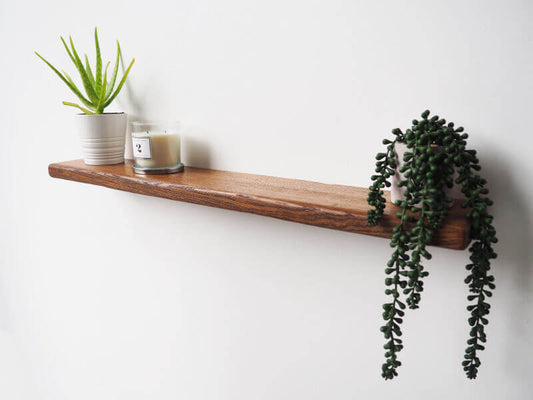
An Alternative to Floating Shelves
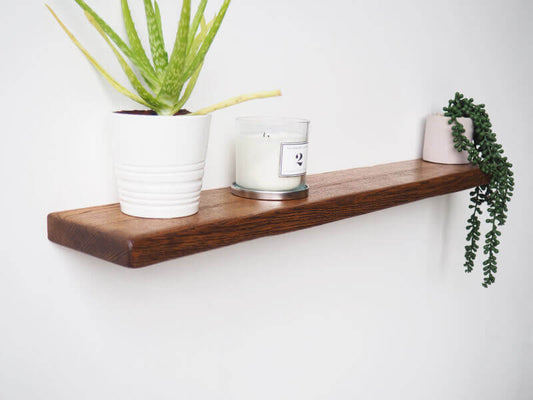
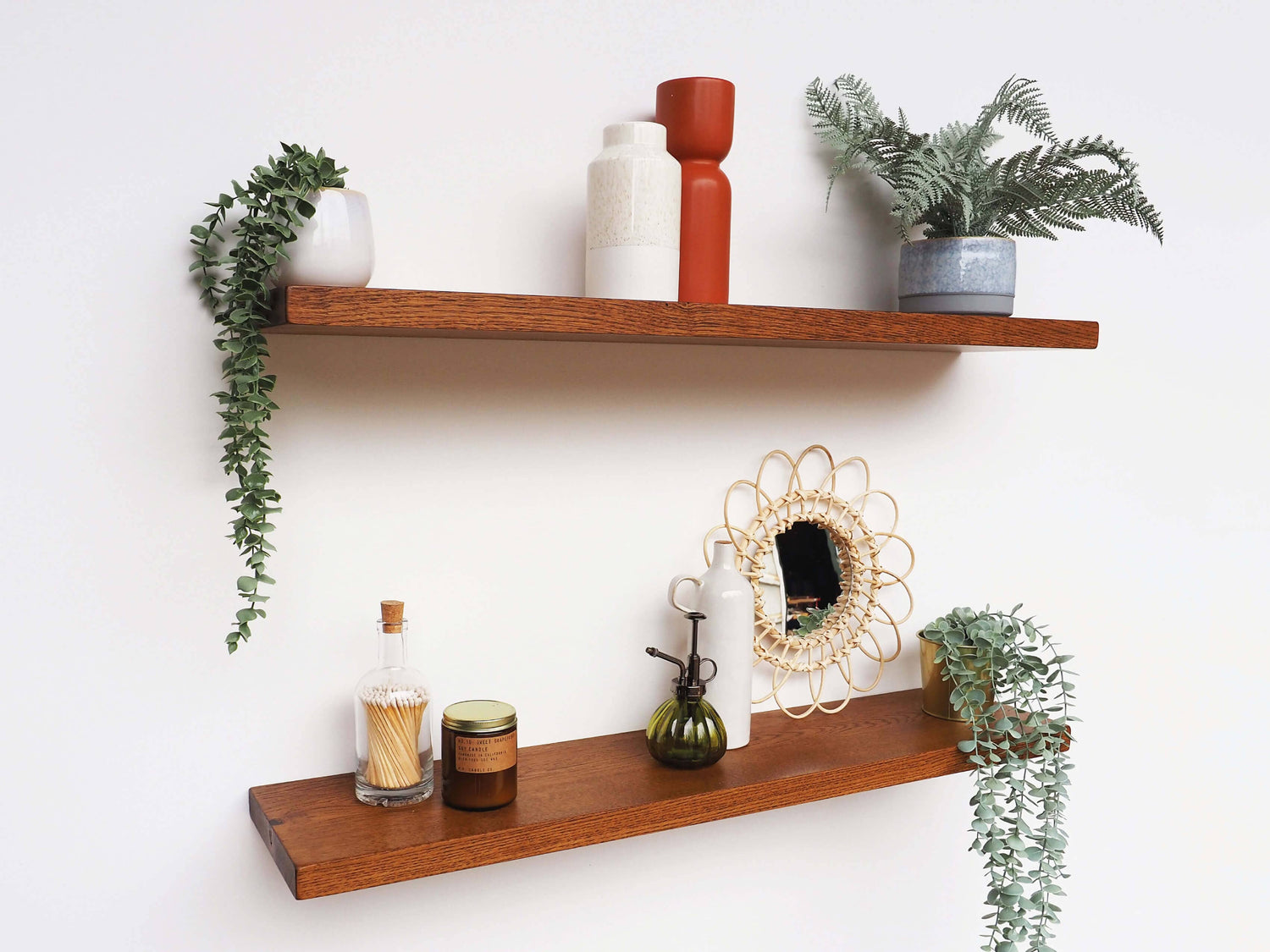
If you prefer clean, uninterrupted lines, oak floating shelves offer the natural character of solid oak with concealed fixings.
Oak bracket shelves take a different approach. The supports remain visible, adding another design detail beneath the timber. This naturally lends itself to rustic, industrial and traditional interiors, although a simple bracket and carefully chosen oak finish can work just as effectively in a contemporary space.
Neither approach is necessarily better. It's simply a question of whether you want the fixings to disappear or contribute to the finished look.
Why Solid Oak Works So Well

A large part of the appeal of oak bracket shelves comes from the timber itself.
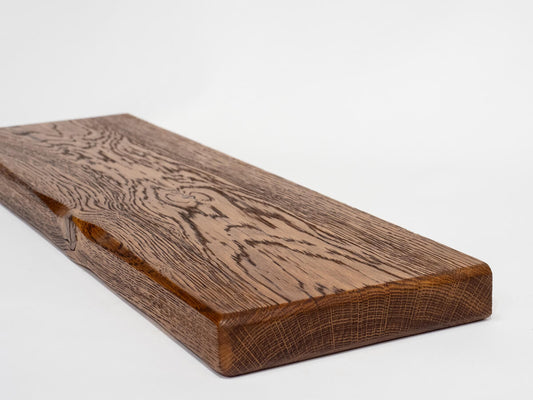
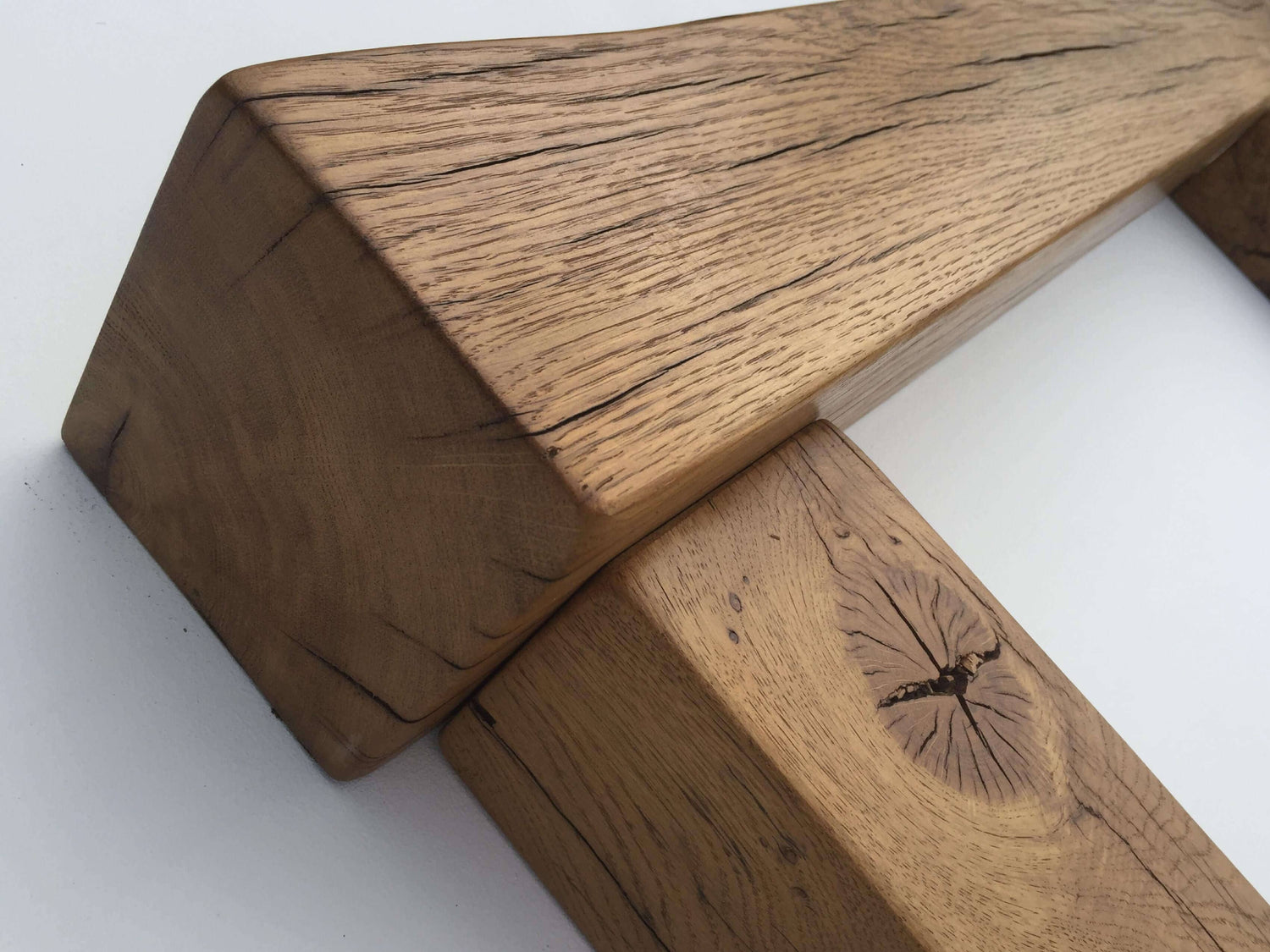
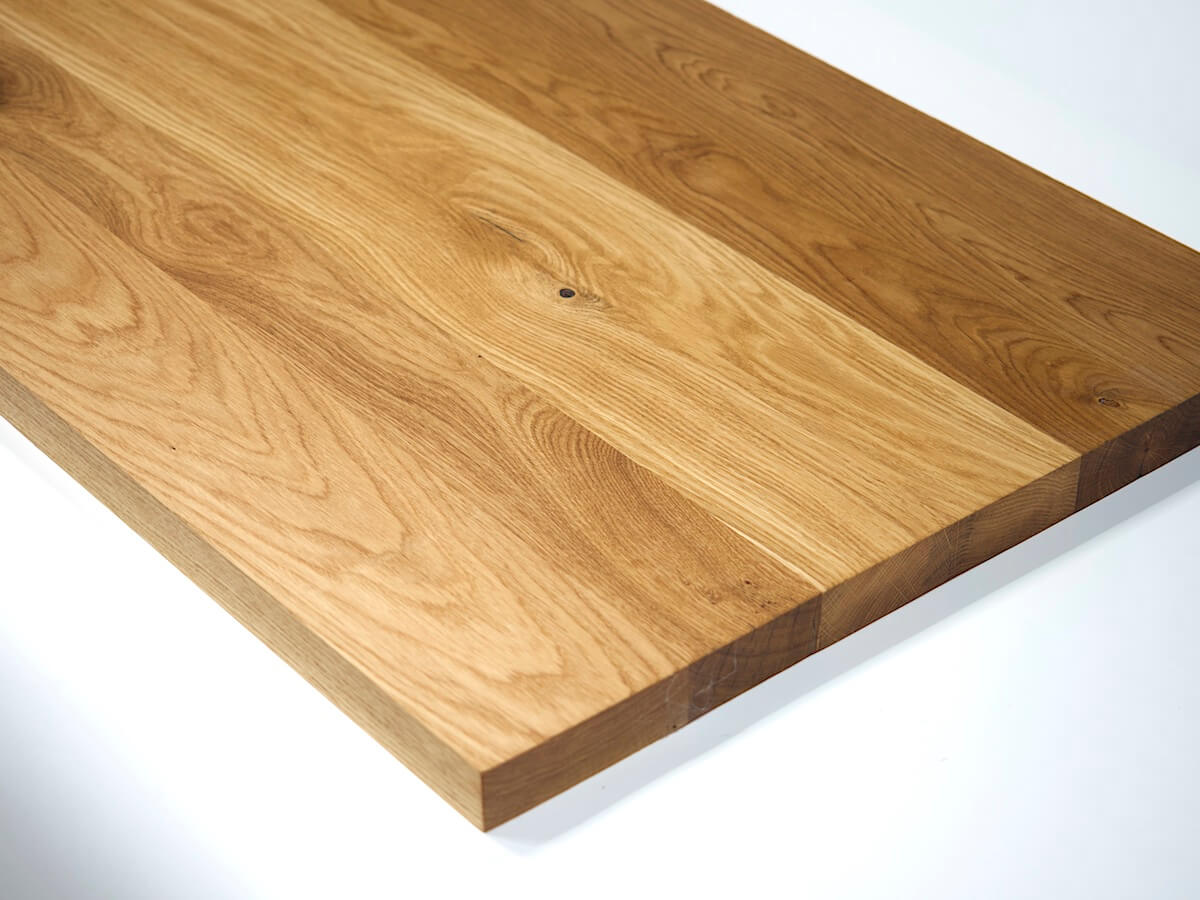
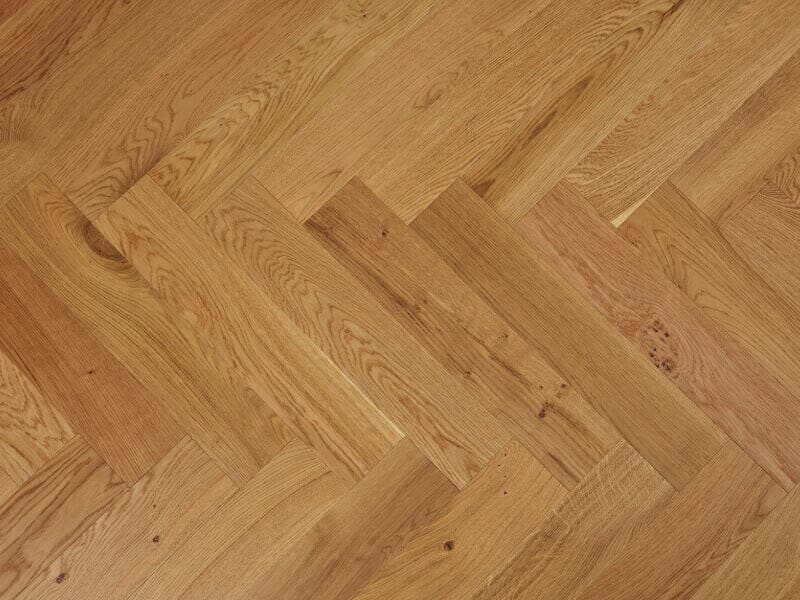
Solid European oak has natural variation that can't be replicated by manufactured shelving. Grain patterns, knots and subtle differences in tone mean no two shelves will look exactly the same. Against the more structured appearance of a metal bracket, those natural details become even more noticeable.
Oak also doesn't need excessive decoration to make an impact. The right finish can enhance its grain and colour while still allowing the character of the timber to remain the focus.
For customers already using oak elsewhere in the home, bracket shelves are also an easy way to carry the material into another part of the room without introducing another large piece of furniture.
From the Workshop: Don't expect every solid oak shelf to look identical. Natural variation is part of the appeal, particularly if you're installing several shelves together. Each piece will have its own grain and character.
What Are You Putting on Your Shelves?

Before deciding on dimensions or bracket style, think about what the finished shelves actually need to do. A shelf intended for a few photographs has very different requirements to one being used for everyday kitchen storage.
- In the kitchen, oak shelves with brackets can provide easy-to-reach storage for mugs, bowls, jars, cookbooks and other frequently used items.
- In a living room or study, they can accommodate books, plants, photographs and collections while making use of otherwise empty wall space.
- In an alcove, multiple shelves can turn an awkward space into useful storage without the bulk of fitted cabinetry.
- For decorative displays, a shallower shelf may be all you need for framed artwork, smaller plants and ceramics.
This doesn't mean you need to decide exactly what will sit on every shelf before ordering. The aim is simply to understand whether you're primarily looking for display space, everyday storage or a combination of the two.
That makes decisions around shelf depth and installation much easier.
15cm or 22cm Deep?
Traditional Beams oak bracket shelves are available in different depths, including 15cm and 22cm options. The difference might sound relatively small on paper, but it can have a noticeable impact once the shelf is on the wall.
Choose 15cm When...
A shallower shelf works particularly well for:
- Photographs and smaller decorative pieces.
- Small plants and ceramics.
- Narrow alcoves.
- Hallways and areas where space is limited.
- Shelving where you want less projection from the wall.
Choose 22cm When...
The additional depth provides more usable surface area for:
- Plates, bowls and kitchenware.
- Cookbooks and larger books.
- Bigger plants and decorative pieces.
- Everyday household storage.
- Areas where practicality is as important as appearance.
TB Tip: Not sure which depth will look right? Measure 15cm and 22cm out from the wall and mark the position temporarily. Seeing how far the shelf will project into the room is much more useful than trying to picture the difference from dimensions alone.
Lipped or Inverted Brackets?

Once you've settled on the size of your shelf, the bracket style is one of the details that will have the biggest influence on its finished appearance.
Traditional Beams offers both lipped and inverted bracket shelves. Both provide visible support for the solid oak, but they create slightly different looks.
Lipped brackets wrap around the front edge of the shelf, making the metalwork a more prominent part of the design. They're a strong choice if you want to emphasise the combination of rustic oak and steel.
Inverted brackets position the bracket differently around the timber, creating a slightly cleaner appearance while still retaining the character of visible supports.
There isn't a right or wrong choice here. It comes down to how prominent you'd like the brackets to be and which style works best with the rest of the room. We'll take a much closer look at both options in our dedicated guide to choosing between lipped and inverted brackets for oak shelves.
Don't Forget About the Wall

The shelf itself is only half of the installation. Before choosing your oak shelves with brackets, it's important to know what type of wall they'll be fitted to.
Solid Walls
Brick and other suitable solid masonry walls can provide a strong fixing point when the correct installation method is used. The condition and construction of the wall still matter, particularly if you're planning to use the shelves for heavier items.
Plasterboard Walls
Plasterboard requires a different approach, which doesn't mean you have to rule out solid oak shelving. Traditional Beams offers dedicated oak bracket shelves for plasterboard walls, designed with the appropriate installation in mind. If you're unsure what sits behind the plasterboard or whether your proposed location is suitable, check before ordering rather than assuming a standard fixing will be sufficient.
The weight a shelf can safely support will always depend on factors including the wall construction, fixings and quality of the installation. Follow the fitting guidance supplied with your shelves and ask our team if you're unsure which option you need.
TB Tip: Check your wall before choosing the shelf, not on installation day. Knowing whether you're working with solid masonry, plasterboard or another construction will help you order the correct product and prepare the right fixings from the outset.
Five Things to Decide Before Ordering

If you've narrowed down your options, a quick check should help confirm which oak bracket shelf is right for you.
What will the shelf hold? Think about whether it's primarily for display, everyday storage or heavier items such as books and kitchenware.
How much depth do you need? A 15cm shelf keeps things relatively compact, while 22cm provides more usable storage space.
Which bracket style do you prefer? Decide whether you want the more prominent appearance of a lipped bracket or the alternative look of an inverted design.
What are you fixing into? Confirm your wall construction so you can choose the appropriate shelf and fixing method.
Which finish suits the space? Consider existing timber, flooring, furniture and other materials in the room rather than choosing the oak finish in isolation.
With those decisions made, choosing from the range becomes much more straightforward!
Oak Bracket Shelves Made for Your Home

Oak shelves with brackets offer a simple combination of useful storage and natural character. The solid oak gives each shelf its individuality, while the visible brackets turn a practical fixing into part of the finished design.
Explore our range of oak bracket shelves to compare depths, bracket styles and finishes, with made-to-measure options available where you need shelving to suit a particular space.
If you're planning a wider project, there's plenty of scope to carry the same natural timber into other areas of your home. Oak floating shelves offer a cleaner alternative where you'd prefer concealed fixings, while oak fireplace surrounds, oak window beams and handcrafted oak furniture can help introduce complementary oak features throughout the interior.
If you're unsure which bracket shelf, depth or fixing option you need, get in touch with the Traditional Beams team. Tell us where the shelf is going and what you're hoping to use it for, and we can help point you towards the most suitable option.