
Lipped or Inverted? Finding the Right Brackets for Your Oak Shelves
Put the same piece of solid oak on two different bracket designs and you can create a surprisingly different shelf. With visible brackets, the metalwork isn't simply there for support. Its position, shape and prominence all contribute to the finished look.
Traditional Beams offers both lipped and inverted brackets for oak shelves, giving you two distinct ways to combine solid European oak with steelwork. Neither option is better than the other, but you may find one naturally works better with the style you're trying to create.
The easiest way to decide is to look at how each bracket interacts with the oak and how much you want the steelwork to contribute to the overall design.
Meet the Lipped Bracket

With a lipped bracket, the metalwork remains clearly visible around the shelf, including a lip that sits against the front edge of the oak. It's a small detail, but one that gives the bracket a stronger visual presence.
What Does It Look Like?
The combination of solid oak and exposed steel creates a substantial shelf where both materials are intended to be noticed. Rather than trying to disguise how the shelf is supported, the bracket becomes part of its character.
This can work particularly well when the room already includes other visible metal details, such as:
- Black cabinet handles and hardware.
- Metal lighting.
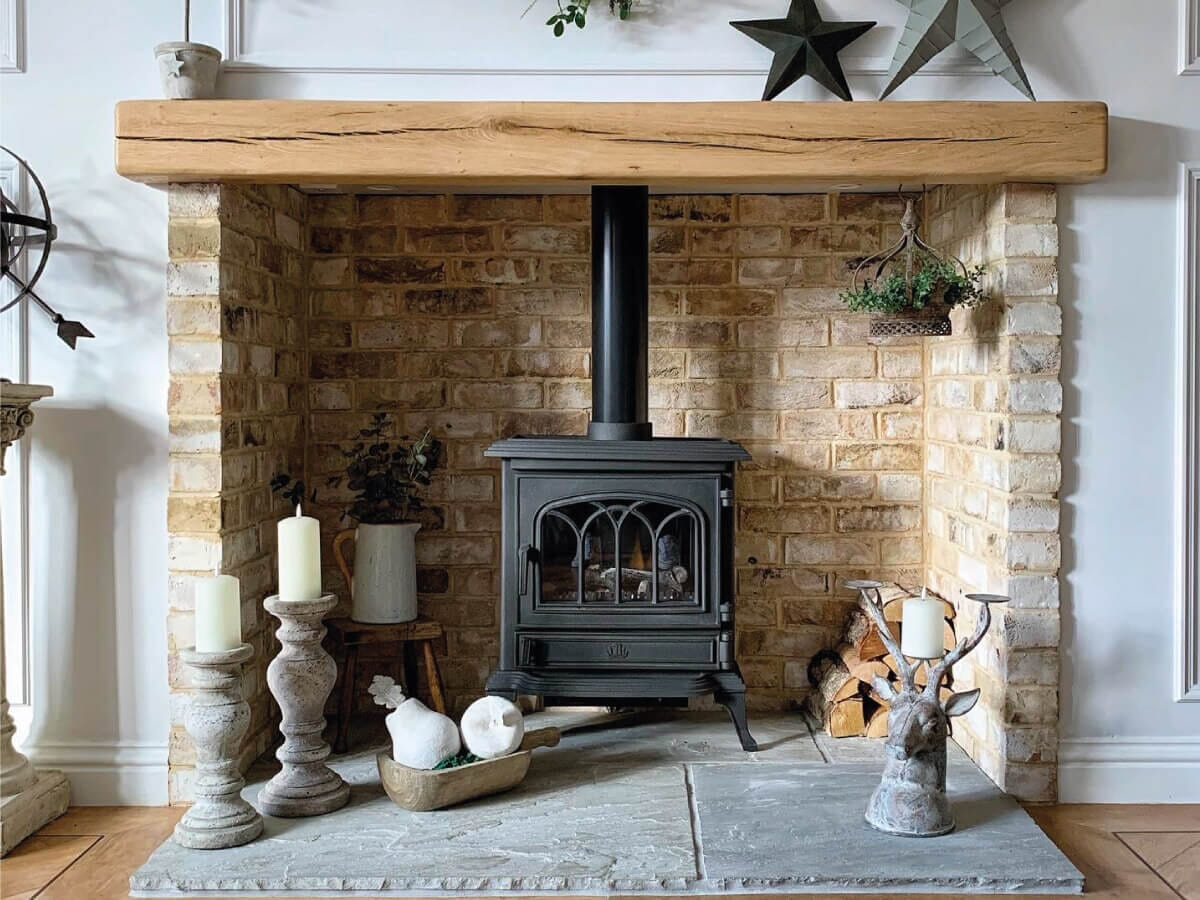
- A wood-burning stove.
- Industrial-style furniture.
- Traditional ironwork.
The natural variation of the oak prevents the overall look from becoming too industrial, while the steel adds definition beneath the timber.
Where Do Lipped Brackets Work Well?

There's no particular room where you have to use a lipped bracket. Instead, think about whether you want your shelving to feel like a noticeable feature.
They can be particularly effective for open kitchen shelving, alcoves, shelving above furniture and other areas where the combination of oak and steel forms part of the wider design.
If you're aiming for rustic bracket shelves, the more visible metalwork of a lipped design can also help emphasise that character.
What About Inverted Brackets?

Inverted brackets change the way the steelwork sits around the oak, giving you an alternative to the more prominent front lip of the standard design.
They're still very much visible brackets, so you retain the contrast between oak and metal that makes this type of shelving distinctive. The difference is in the profile and how the bracket frames the timber once everything is on the wall.
Inverted brackets could be the better fit if you want:
- A different balance between the oak and visible steelwork.
- The character of a bracket shelf without the standard front-lipped profile.
- Shelving that complements simpler or more understated interior details.
- A bracket design that allows the solid oak to remain a strong visual feature.
It's worth looking at both designs from the front and side before deciding. The difference can feel much more noticeable once you picture the shelf at eye level rather than viewing the bracket on its own.

TB Tip: Don't choose your brackets in isolation. Look at the other metalwork already in the room, particularly handles, lighting, stove details and furniture. Your shelf doesn't need to match everything exactly, but repeating similar materials can help it feel naturally at home.
Lipped and Inverted Brackets Side by Side
If you're still weighing up the two options, this gives you a quick starting point:
|
Feature |
Lipped Brackets |
Inverted Brackets |
|
Overall appearance |
More defined front-lipped profile |
Alternative inverted profile |
|
Steelwork |
A prominent part of the finished shelf |
Remains visible but interacts differently with the oak |
|
Style |
Particularly suited to rustic and industrial influences |
Versatile across a range of interiors |
|
Solid oak |
Natural grain contrasts with the visible bracket |
Oak remains a prominent part of the design |
|
Best reason to choose |
You prefer the look of the front lip |
You prefer the inverted bracket profile |
There's deliberately no winner here. Both options give you the character of solid oak shelves with brackets, so the decision largely comes down to which design you'd rather see on your wall every day.
The Oak Finish Changes the Overall Look

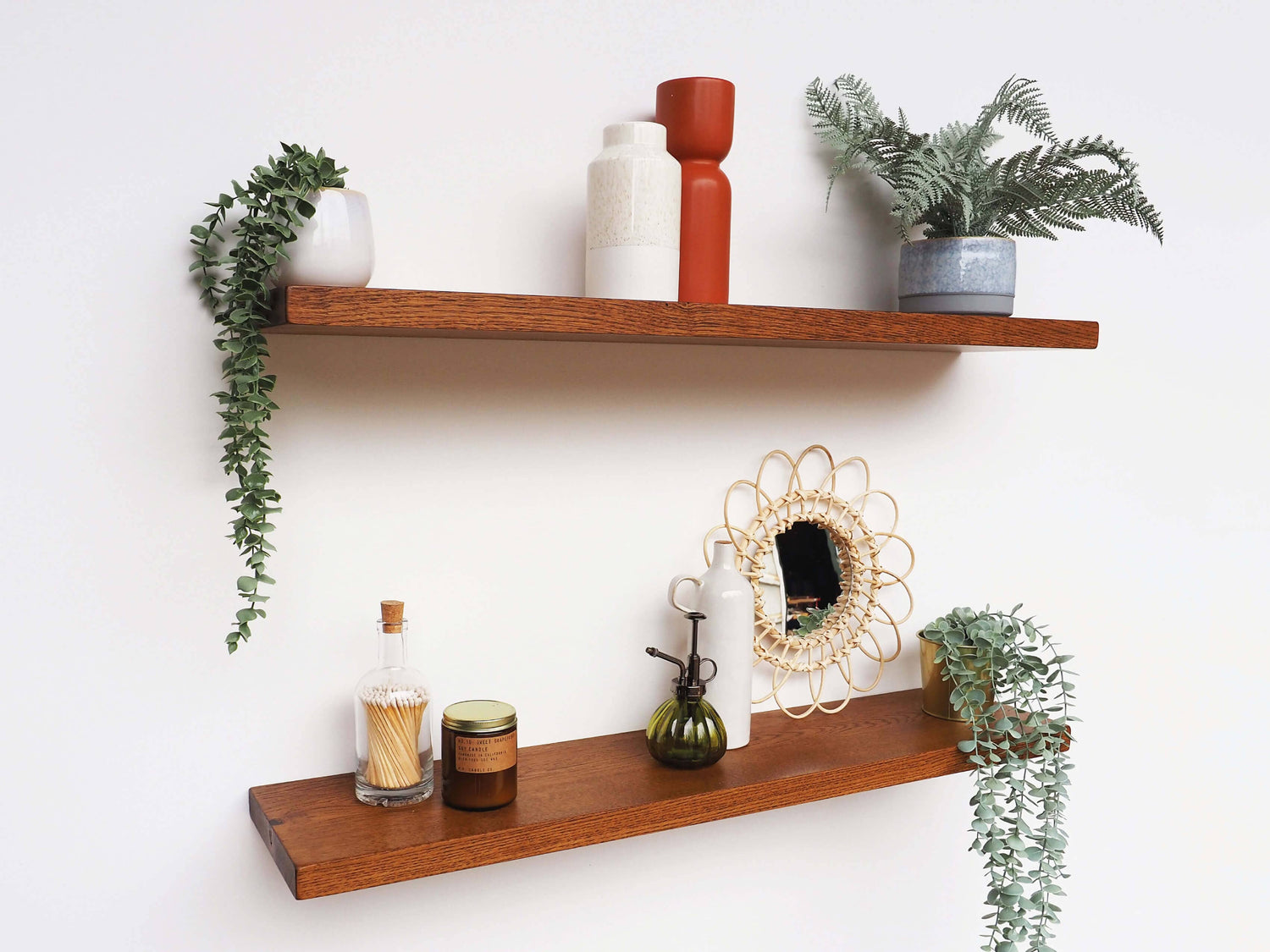
Bracket style is only one part of the decision. The finish you choose for the solid oak can change how prominent the steelwork feels once the shelf is installed.
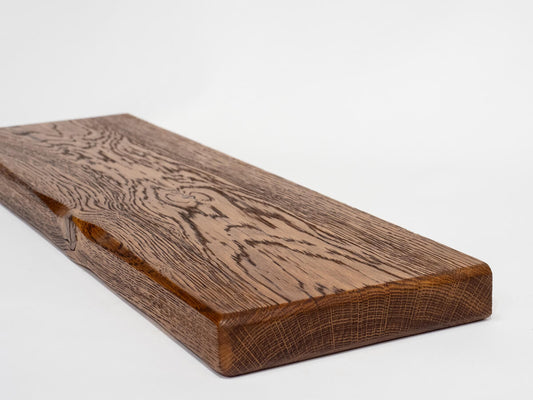
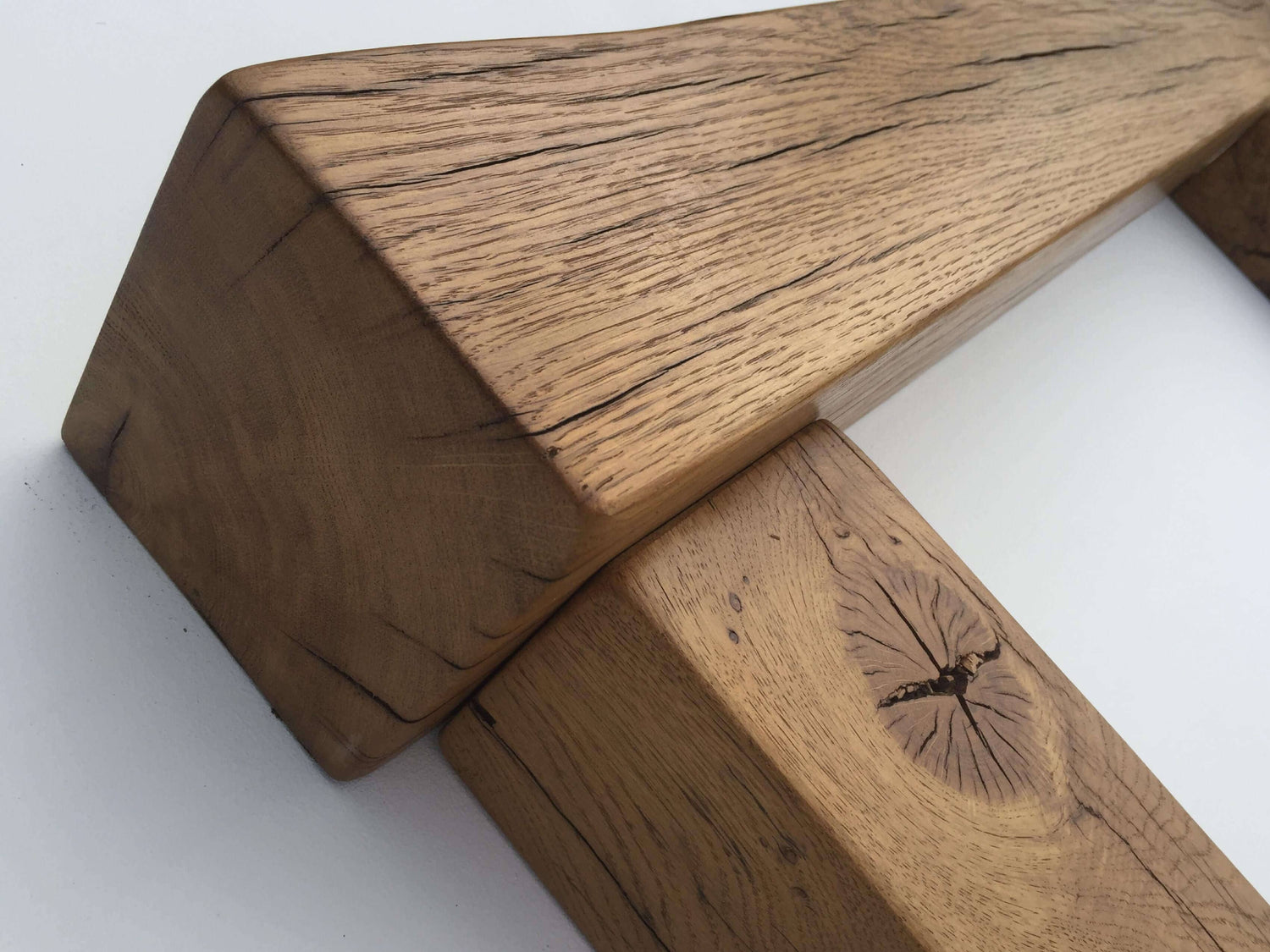
A lighter oak finish tends to create more contrast against darker brackets, clearly defining the two materials. Deeper finishes can create a richer, more traditional appearance, particularly when they're used alongside other dark timber or metal details.
When making your choice, take a quick look around the room at:
- Existing timber furniture.
- Flooring and doors.
- Cabinetry and worktops.
- Metal handles and lighting.
- Other oak features already in place.
You don't need everything to match. In many cases, a little contrast is what makes oak shelves with brackets work so well.
If you're particularly drawn to the combination of natural timber and visible metalwork, our guide to creating character with rustic oak shelves and brackets explores the design side in much more detail.
Don't Let the Brackets Distract from Shelf Depth
Once you've settled on a bracket style, remember that the shelf still needs to work for whatever you're planning to put on it.
Traditional Beams offers oak bracket shelves in 15cm and 22cm depths, giving you options for both compact displays and more practical storage.
As a quick guide:
- 15cm keeps the shelf relatively shallow and works well where space is tighter or you're mainly displaying smaller items.
- 22cm provides additional surface area for uses such as kitchenware, larger books and everyday storage.
We've covered this decision in more detail in our guide to choosing oak shelves with brackets, but the important point here is not to select a bracket based purely on appearance and forget how you'll actually use the shelf.
Fitting to Plasterboard?

Your preferred bracket design also needs to be suitable for the wall it's going onto.
Traditional Beams offers dedicated plasterboard shelf options within the oak bracket shelf range, including both lipped and inverted styles. This means fitting to plasterboard doesn't automatically dictate which look you have to choose.
Wall construction, fixing method and installation will all influence how much weight a shelf can safely support, so always select the product intended for your wall type and follow the installation guidance provided.
If you're not sure what your wall is made from or which option you need, it's worth checking before ordering. Our team can help you identify the most suitable route.
So, Lipped or Inverted?
If you've reached this point and still like both, bring the decision back to what initially attracted you to oak bracket shelves.
Go for Lipped Brackets If...
- You like the front lip being a visible part of the shelf.
- You want to emphasise the contrast between solid oak and steel.
- Rustic or industrial details feature elsewhere in the room.
- You simply prefer the more prominent bracket profile.
Go for Inverted Brackets If...
- You prefer the alternative way the bracket sits around the oak.
- You want visible steelwork without the standard front-lipped profile.
- You'd like the natural timber to remain a strong part of the overall look.
- The inverted design works better with the details already in your room.
Ultimately, this is a design choice rather than a question of one bracket being better than the other. Both give you the warmth and natural variation of solid European oak combined with visible steel supports.
See the Difference for Yourself

The easiest way to make your final decision is to compare the two designs side by side. Explore our oak bracket shelves to see the lipped and inverted options across the range, including different shelf depths and products designed specifically for plasterboard walls.
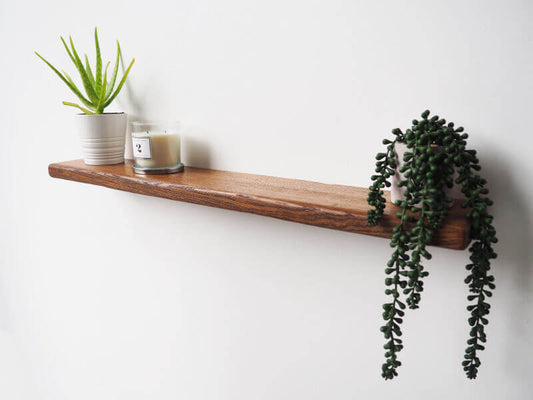
And if comparing the two has made you realise you'd rather not see the supports at all, our oak floating shelves provide a completely different look, using concealed fixings to keep the focus firmly on the timber.
Whichever route you choose, think about where the shelf is going, what you need it to hold and the type of wall you're fixing into. Once those practical details are covered, choosing between lipped and inverted brackets really can come down to something as simple as which one you prefer.