
Oak Worktop Maintenance: Removing Stains, Water Marks and Everyday Wear
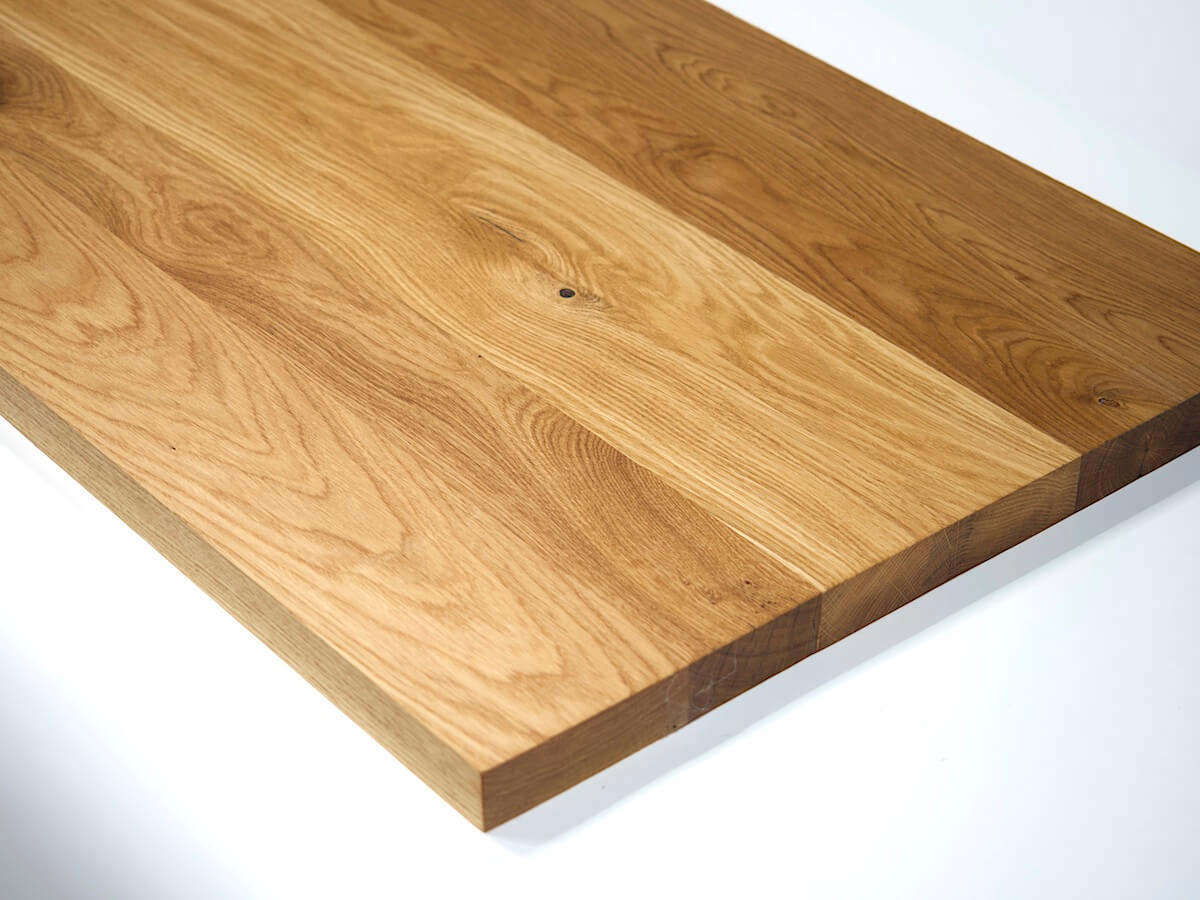
Solid oak kitchen worktops are made to be used, and with the right care, they can continue looking beautiful for years. Everyday cooking, washing up and general kitchen activity will naturally put the surface to the test, but one of the advantages of solid timber is that many signs of wear can be addressed without replacing the entire worktop.
The key is understanding what you're dealing with. A light surface mark may only need careful cleaning, while a stubborn stain or damaged finish could require more attention. Using the wrong cleaning product or attempting an unnecessary repair can sometimes make a small problem worse.
At Traditional Beams, we manufacture our solid oak worktops from European oak and recommend Rubio Monocoat products for finishing and ongoing care. In this guide, we'll explain how to clean and maintain your oak worktops, what to do when marks appear and how to recognise when the protective finish needs attention.
How to Clean Solid Oak Kitchen Worktops

For everyday cleaning, a gentle approach is usually best. Oak doesn't need harsh chemicals or abrasive cleaning tools to stay looking good, particularly when the surface has been treated with a suitable protective oil.
Remove crumbs and loose dirt with a soft cloth, then clean the surface using a suitable cleaner for its finish. Traditional Beams recommends Rubio cleaning products for worktops treated with Rubio Monocoat.
Avoid leaving the surface wet after cleaning, especially around sinks, joins and exposed edges. A soft, dry cloth is useful for removing any remaining moisture.
Everyday Oak Worktop Care
A few simple habits can help protect the finish during normal kitchen use:
Wipe Up Spillages Promptly: Pay particular attention to water around sinks and liquids that may leave stains.
Use Chopping Boards: Cutting directly onto an oak worktop can scratch the surface and damage its protective finish.
Protect Against Heat: Use trivets or heat-resistant mats beneath hot pans, dishes and cookware.
Avoid Standing Water: Don't leave wet cloths, sponges or containers sitting on the timber for long periods.
Choose Suitable Cleaning Products: Avoid abrasive pads and aggressive cleaners that may affect the finish.
These precautions are especially important in busy family kitchens, where worktops are used throughout the day.
TB Tip: Pay particular attention to the area immediately behind your kitchen sink and around the tap. These spots are exposed to frequent splashes, and checking them regularly can help you identify wear in the finish before moisture becomes a bigger problem.
Removing Water Marks from Oak Worktops

Water marks are among the most common concerns with wooden kitchen worktops, particularly around sinks and areas where glasses, bottles or damp containers are regularly placed. However, not every water mark is the same. Some marks affect the surface finish, while others may indicate that moisture has reached the timber beneath.
Before attempting any treatment, it's worth checking whether the mark is recent, whether the area has fully dried and whether the finish appears damaged.
What Should You Do When a Water Mark Appears?
Start by removing any standing moisture and allowing the area to dry naturally. If the mark disappears and the finish remains intact, further treatment may not be necessary.
If discolouration remains, avoid immediately sanding the surface or applying household stain-removal products. The appropriate treatment will depend on the finish and the nature of the mark.
For worktops finished with Rubio Monocoat, Rubio offers specialist products designed for particular types of staining. Always check that the product is suitable for your worktop's finish and follow the manufacturer's instructions.
When a Water Mark Needs More Attention
Persistent discolouration, roughness or an area where the protective finish appears to have worn away may need more than routine cleaning. If the timber has been affected, the area may require careful preparation and a compatible repair treatment. However, it's important to identify the cause of the moisture exposure first, particularly if the mark is close to a sink or worktop join.
Repeatedly treating the surface without addressing the source of the water may only provide a temporary improvement.
Oak Worktop Stains: What Treatment Should You Use?

Cooking oils, food, drinks and everyday household products can all leave marks on a kitchen worktop. The best approach depends on what's caused the stain and whether it has affected the finish or penetrated the timber.
Rather than treating every stain in the same way, we'd recommend identifying the likely cause before choosing a cleaning or repair product.
|
Type of Mark |
What to Check |
Recommended Approach |
|
Fresh Food or Drink Spill |
Whether the liquid has been absorbed |
Remove promptly and clean with a suitable product |
|
Water Mark |
Whether the mark remains after drying |
Assess the finish and use a compatible specialist treatment if needed |
|
Grease or Oil Mark |
Whether a greasy residue or persistent stain remains |
Consider a finish-compatible grease remover |
|
Dark Discolouration |
Whether the timber itself appears affected |
Identify the cause before attempting a repair |
|
Worn or Patchy Finish |
Whether the protective treatment has deteriorated |
Assess whether local refinishing is required |
Why We Don't Recommend Household Stain-Removal Tricks
You'll find plenty of suggestions online for removing marks from wooden worktops, including vinegar, bicarbonate of soda and various abrasive mixtures.
The problem is that these methods don't necessarily account for the protective finish already applied to the timber. A product that appears to remove a mark could also strip or damage the surrounding finish, leaving the surface more vulnerable to future staining.
For this reason, we'd recommend using cleaning and maintenance products compatible with your oak worktop's finish, particularly if it has been treated with Rubio Monocoat. If you're unsure what caused a stain or which finish was originally applied, it's worth seeking advice before attempting a more involved treatment.
Removing Scratches and Repairing Minor Damage to Oak Worktops

Small scratches and signs of wear are fairly common on wooden kitchen worktops, particularly in areas used for food preparation. Fortunately, one of the advantages of solid oak is that localised damage can often be repaired without having to refinish the entire surface.
The first step is to establish whether the mark has affected the protective oil finish or the timber itself. Light surface marks may only need cleaning or a suitable maintenance treatment, while deeper scratches could require careful sanding and re-oiling.
How to Repair a Scratched Oak Worktop
For worktops treated with Rubio Monocoat, minor scratches can often be addressed through a localised repair.
Traditional Beams' maintenance guidance recommends lightly sanding the affected area with 120-grit abrasive paper where necessary, before applying the appropriate matching Rubio Monocoat finish.
There are a few important considerations:
Check the Existing Finish: Make sure you know which oil and colour were originally applied.
Assess the Depth of the Scratch: Not every mark requires sanding, particularly if only the surface finish has been affected.
Work Carefully: Avoid unnecessary sanding that could create an uneven patch or remove more of the surrounding finish.
Use a Matching Treatment: Apply a compatible finish in the original colour, following the manufacturer's repair instructions.
Allow Adequate Curing Time: Protect the repaired area from moisture and normal kitchen use until the finish has cured.
If the scratch is particularly deep, covers a large area or has damaged the timber around a sink or joint, professional advice may be the better option.
TB Tip: Keep a record of the original oil colour used on your oak worktop. If you need to carry out a small repair in the future, knowing the exact finish will make it much easier to achieve a consistent appearance.
How Often Should You Re-Oil Oak Kitchen Worktops?

Regular re-oiling helps maintain the protective finish and keeps your oak worktop looking its best. At Traditional Beams, we generally recommend re-oiling solid oak worktops approximately once a year, although some areas may need attention more frequently depending on how the kitchen is used.
For example, the area around a busy kitchen sink may experience more moisture exposure than a section of worktop used mainly for storing small appliances. Rather than relying entirely on the calendar, it's worth paying attention to the condition of the surface.
Signs Your Oak Worktop May Need Re-Oiling
Look out for:
A Dull or Uneven Appearance: Areas that no longer look consistent with the surrounding finish.
Increased Susceptibility to Marks: Sections that seem to stain or mark more easily than before.
Visible Surface Wear: High-use areas where the protective finish appears to have deteriorated.
Dry-Looking Patches: Areas where the timber has lost some of its original finished appearance.
These signs don't always mean the entire worktop needs refinishing. Sometimes a local maintenance treatment is enough, particularly if the surrounding surface remains in good condition.
Choosing the Right Maintenance Oil
For worktops finished with Rubio Monocoat, Traditional Beams recommends using compatible Rubio maintenance products, including Rubio Universal Maintenance Oil where appropriate.
It's important to distinguish between routine maintenance and repairing an area where the original finish has been damaged. A maintenance oil may be suitable for refreshing an existing finish, while exposed or sanded timber may need the original finishing product reapplied.
Always follow the relevant Rubio instructions and check compatibility with the finish already on your worktop. Traditional Beams also offers maintenance products for customers who want to care for their oak surfaces at home.
When Does an Oak Worktop Need More Extensive Restoration?
Not every problem can be resolved with a cleaning product or a small amount of maintenance oil.
If your worktop has widespread staining, significant scratches or areas where the timber has been repeatedly exposed to moisture, more extensive restoration may be necessary.
The good news is that solid oak provides more repair possibilities than many veneered surfaces because the material continues beneath the visible face. However, the extent of any repair will depend on the condition of the timber.
Minor Repair or More Extensive Restoration?
|
Condition |
What to Consider |
|
Light surface scratches |
Local cleaning or a compatible repair treatment |
|
Small areas of worn finish |
Targeted maintenance or refinishing |
|
Persistent stains |
Identify the cause and assess whether the timber is affected |
|
Widespread finish deterioration |
More extensive surface preparation and refinishing |
|
Swelling, distortion or significant moisture damage |
Professional assessment before attempting repairs |
If the worktop has swollen, developed significant movement or shows signs of prolonged water damage, it's important to address the underlying cause before attempting cosmetic repairs. In some cases, particularly where the timber has been structurally affected, restoration may not be straightforward.
A Simple Oak Worktop Maintenance Routine

Keeping solid oak worktops in good condition doesn't need to be complicated. A consistent approach to cleaning and occasional maintenance is generally more effective than waiting until the surface becomes heavily worn.
|
When |
What to Do |
|
Daily |
Wipe up spillages, remove food residue and keep the surface dry |
|
During Routine Cleaning |
Use suitable cleaning products and avoid abrasive materials |
|
Every Few Months |
Check areas around sinks, joins and frequently used sections for signs of wear |
|
Approximately Annually |
Assess whether the worktop needs re-oiling, paying particular attention to high-use areas |
|
Whenever Damage Appears |
Identify the problem and use an appropriate repair method before it worsens |
The frequency of maintenance will naturally vary between kitchens. A worktop used throughout the day for family meals may need more attention than one in an occasional-use kitchen or utility room.
Keep Your Solid Oak Worktops Looking Their Best
One of the reasons solid oak remains such a popular choice for kitchens is that it can be maintained and refreshed over time. Small scratches, everyday marks and gradual wear don't necessarily mean a worktop needs replacing, particularly when the timber has been properly protected from the beginning.
At Traditional Beams, we manufacture our solid oak kitchen worktops from carefully selected European oak and recommend compatible Rubio Monocoat products for finishing and ongoing care.
If you're unsure which maintenance product is suitable for your worktop, or you need advice about repairing an existing finish, contact our team for guidance. Taking care of the timber now can help preserve its natural character for years to come.