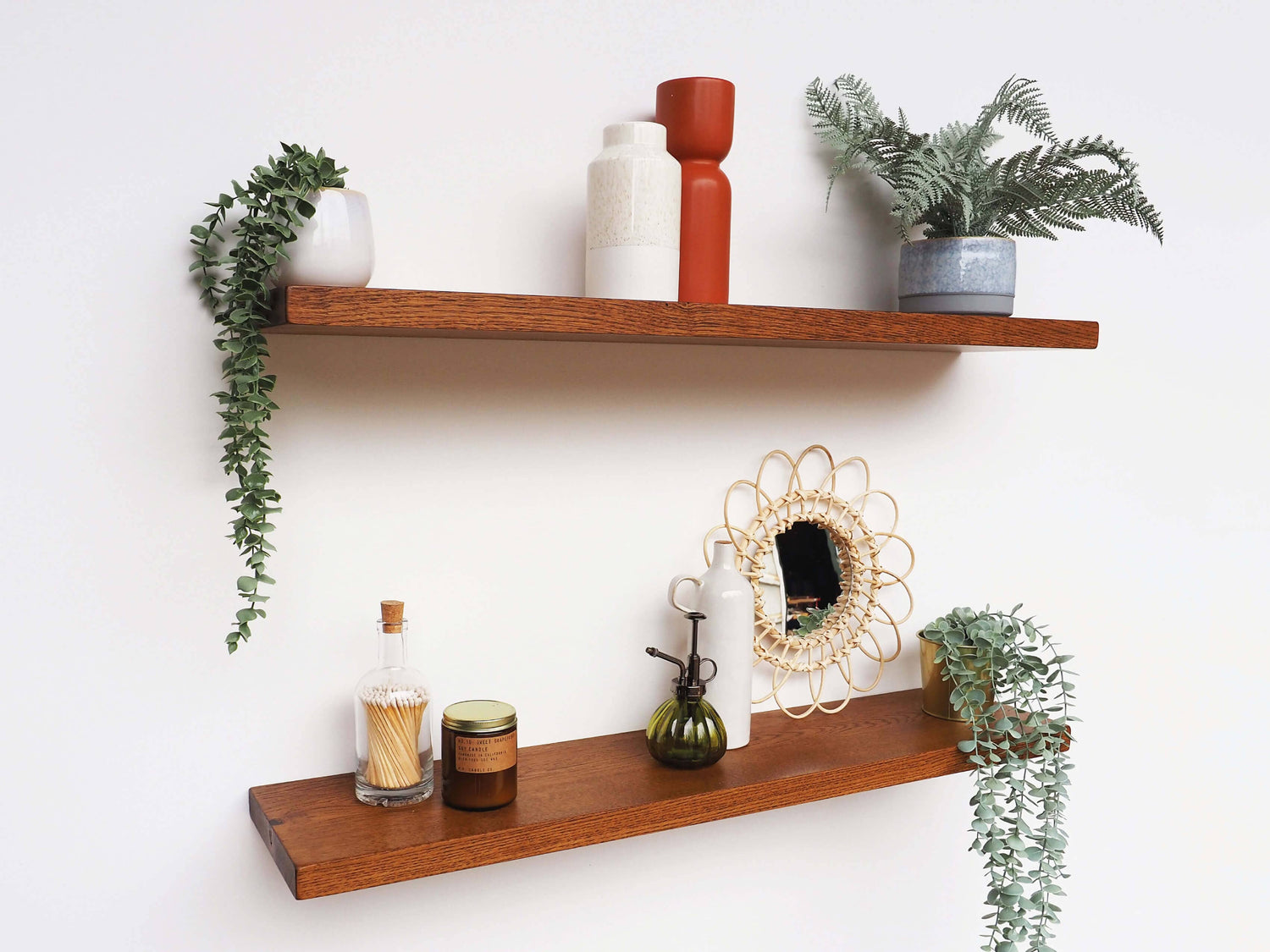

How to Choose the Right Wooden Shelves for Your Home
Choosing wooden shelves sounds straightforward until you start properly planning the room. Suddenly you’re balancing style against practicality, trying to decide between floating shelves and bracket shelves, working out what size will actually suit the wall and questioning whether your wall type can safely support the weight.
The reality is that shelving changes the feel of a room far more than most people expect. The right shelves can make a space feel warmer, cleaner, more balanced and better connected, while the wrong size, finish or style can quickly feel visually heavy or out of proportion.
At Traditional Beams, we handcraft all of our shelving from solid oak, pine and Scandinavian redwood in our North Yorkshire workshop. Over the years, one of the biggest things we’ve learned is that choosing shelves isn’t just about storage. It’s about understanding how the shelving will function within the room long term and how it fits into the wider character of the home.
Whether you’re styling alcoves, planning open kitchen shelving, designing a bathroom or simply trying to understand the difference between floating and bracket shelves, there are a few key things worth considering before making a decision.
In This Guide:
- How different shelf styles change the feel of a room
- Choosing between floating shelves and bracket shelves
- What to consider before loading shelves with heavier items
- How wall types affect shelf choice and installation
- Getting shelf depth and length proportions right
- Choosing between oak and pine shelving
- How timber finishes affect the overall look of a room
- Floating shelves vs bracket shelves explained
- Creating a cohesive look with timber features throughout the home
Start With How You Want the Room to Feel

One of the biggest mistakes people make when choosing shelves is focusing purely on storage. Shelving changes the visual weight of a room far more than most people expect. The same wall can feel clean and minimal with slim floating shelves or much warmer and more traditional with chunky timber and exposed brackets.
Before looking at sizes or finishes, it’s worth asking yourself a much simpler question: do you want the shelves to stand out or blend in?
If you want a cleaner and quieter look, floating shelves tend to work best.
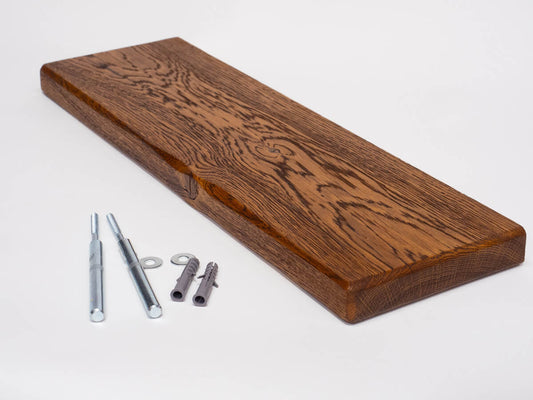
Because the fixings are concealed inside the shelf itself, the timber appears to sit directly against the wall without visible supports underneath. This creates a more streamlined finish that works particularly well in:
- Contemporary interiors
- Alcoves and media walls
- Smaller rooms
- Kitchens with cleaner cabinetry
- Modern home offices
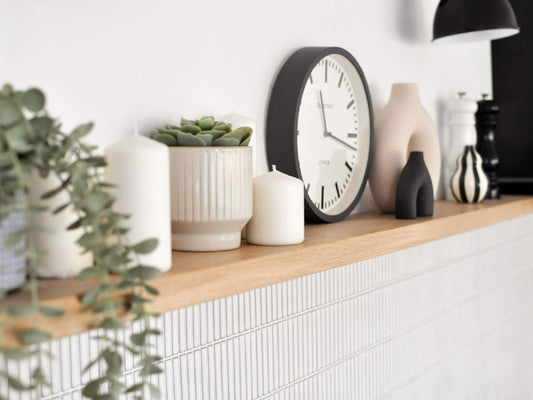
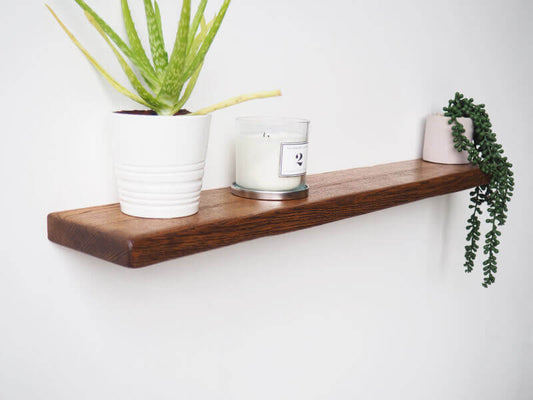
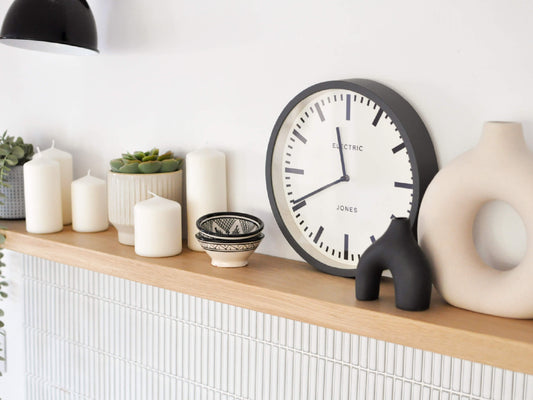
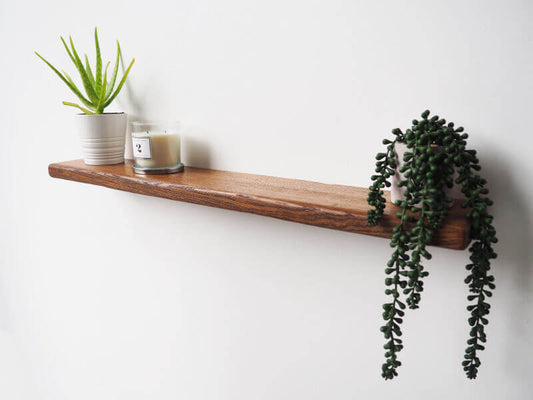
Our oak floating shelves are often chosen where customers want the warmth of real timber without making the shelving feel visually heavy. Lighter timber finishes and slimmer shelf depths can also help rooms feel more open, particularly where wall space is limited.
If you want the shelves to become part of the design
Oak bracket shelving usually creates a much stronger visual feature. Exposed metalwork adds contrast, texture and structure to the wall itself, which is why shelves with brackets are often used in farmhouse kitchens, rustic interiors and industrial-style spaces.
This style tends to suit homes where timber is already part of the wider design language through features like:
Rather than trying to hide the shelf supports, bracket shelving embraces them as part of the overall look. Our rustic shelves with brackets are particularly popular where customers want shelving to feel more substantial and character-led rather than minimal.
Think About What the Shelves Actually Need to Hold

A shelf styled with a few framed prints places very different demands on the wall compared to one supporting cookware, books or a countertop basin. This is where practicality matters just as much as appearance.
Decorative shelving vs everyday storage
If the shelves are mainly decorative, you generally have much more flexibility with:
- Shelf depth
- Floating designs
- Placement
- Wall type
But once heavier items are involved, it becomes more important to think about:
- Weight distribution
- Fixing method
- Shelf thickness
- Wall construction
For example, kitchens often suit bracket shelving because the visible supports help create a stronger and more grounded feel while also comfortably supporting heavier everyday items.
Bathrooms also require additional planning because countertop basin shelves carry significantly more weight than standard floating shelves.
Our sink shelves use heavy-duty concealed supports specifically designed for basin installations while maintaining the cleaner floating appearance many customers want in modern bathrooms.
Don’t Ignore the Wall Type
This is the point most people only realise matters after they’ve chosen the shelf as different wall types can completely affect:
- What shelf styles are suitable
- How much weight the shelf can hold
- What fixing system is needed
Solid masonry walls naturally offer the strongest support, particularly for longer shelves or heavier loads. Plasterboard walls require more consideration, but that doesn’t automatically mean floating shelves aren’t possible.
In fact, modern concealed support systems and specialist fixings have made floating shelving on plasterboard much more reliable than many people realise.
Our dedicated shelves for plasterboard walls collection was designed specifically around this problem, using specialist concealed Hafele supports and Gripit fixings to create strong floating shelving for lighter wall types.
One thing we always recommend is thinking realistically about what the shelf will actually be used for long term rather than just how it looks on installation day.
Getting the Shelf Size Right

Shelf sizing is one of the areas people tend to underestimate most. A shelf can be beautifully made and perfectly installed, but if the proportions feel wrong against the wall, the entire room can feel slightly off balance. In most spaces, it’s not the shelf people notice first, it’s how naturally it fits with everything around it.
Shelf depth changes the feel of the room
Depth has a surprisingly big impact on how visually heavy shelving feels once installed. Slimmer shelves often feel cleaner and less intrusive, particularly in smaller rooms or contemporary interiors. Deeper shelves create more presence and practicality, but they naturally draw more attention to themselves within the space.
|
Shelf Depth |
Common Uses |
|
15cm–20cm |
Decorative styling, framed prints, smaller accessories |
|
20cm–25cm |
General everyday shelving, books, kitchens |
|
25cm–30cm |
Heavier styling pieces, cookware, statement shelving |
Deeper shelves can work beautifully in kitchens, utility rooms and larger open-plan spaces, but in tighter rooms they can quickly start to dominate the wall visually. This is especially true with darker timber finishes or chunkier rustic shelving where the shelf naturally becomes more of a feature element within the room.
Length and spacing matter just as much
Long floating shelves are often popular because they create clean horizontal lines across the wall, particularly within alcoves, media walls and kitchens. The mistake people sometimes make is trying to maximise shelf length purely because the wall allows it.
In reality, leaving breathing space around shelving usually creates a more balanced and intentional finish. A shelf that stretches wall-to-wall can occasionally feel heavier and less refined than slightly shorter shelving with space around it.
If you’re working with:
- Chimney breasts
- Alcoves
- Awkward corners
- Sloped ceilings
- Non-standard layouts
At Traditional Beams, bespoke shelving is particularly popular for alcove shelving and media wall projects where precise sizing makes a noticeable difference to the finished look.
Choosing Between Oak and Pine Shelving

The timber itself changes the atmosphere of a room just as much as the shelf style.
Oak and pine create very different finishes once installed, even when the shelf design is almost identical.
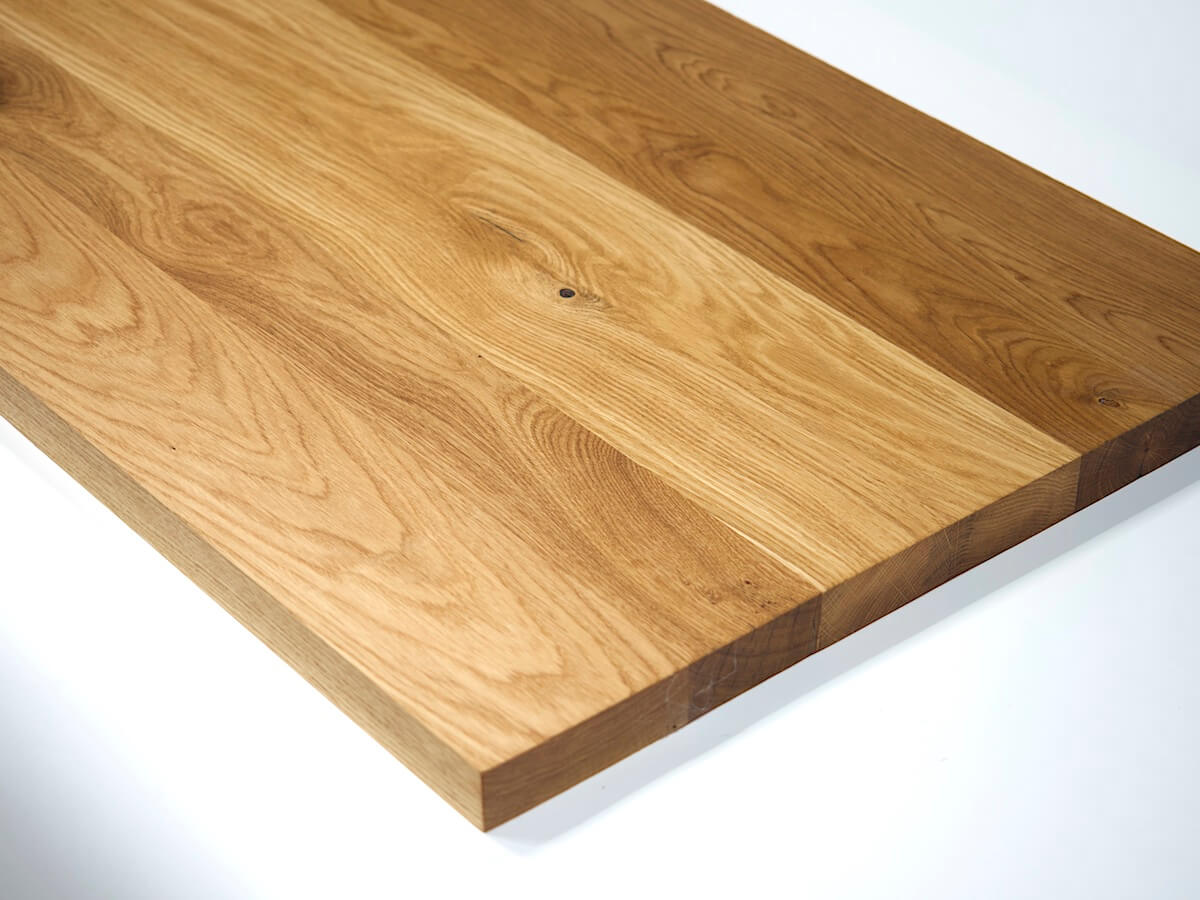
Oak Shelving
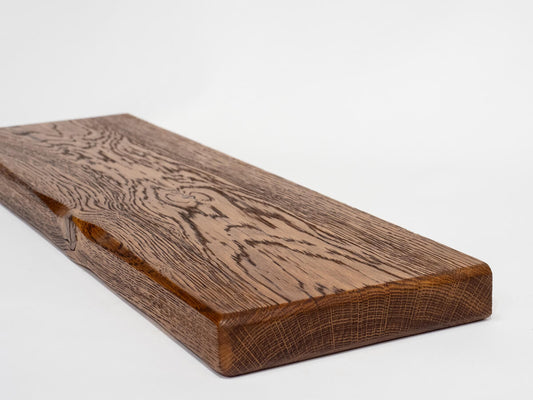
Oak tends to feel richer, heavier and more architectural because of its dense grain and stronger natural texture. It’s often chosen where customers want shelving to:
- Stand out slightly more
- Introduce warmth and contrast
- Tie into other timber features
- Create a more substantial finish
Oak shelving works particularly well in:
- Kitchens
- Living rooms
- Farmhouse interiors
- Period homes
- Spaces with exposed timber details
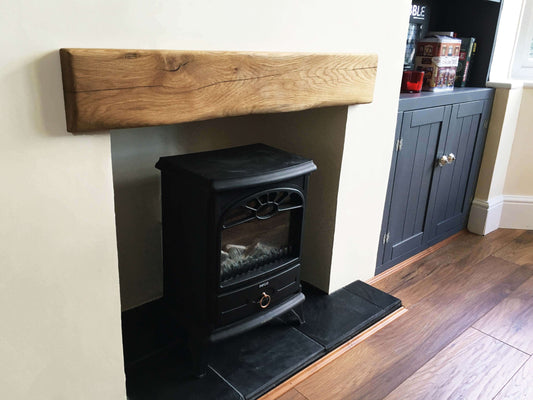
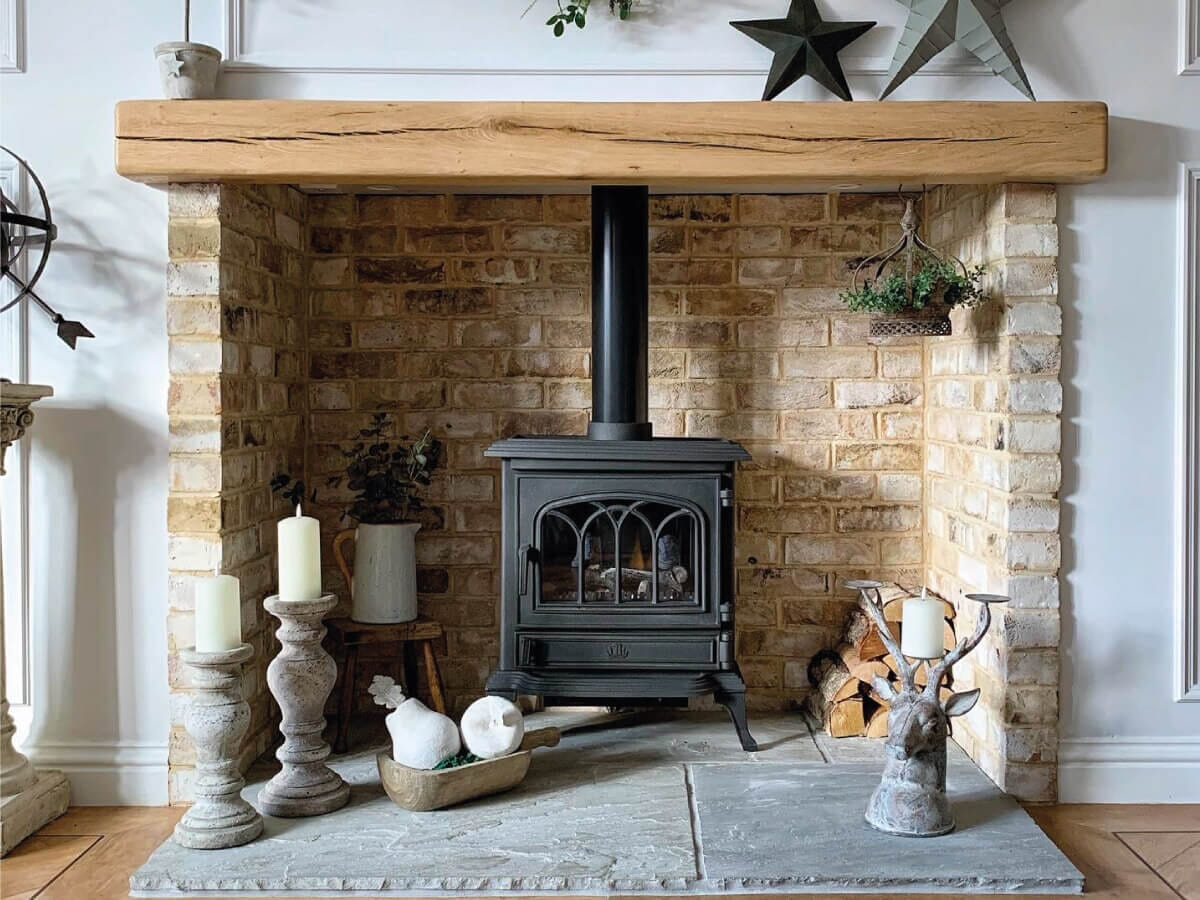
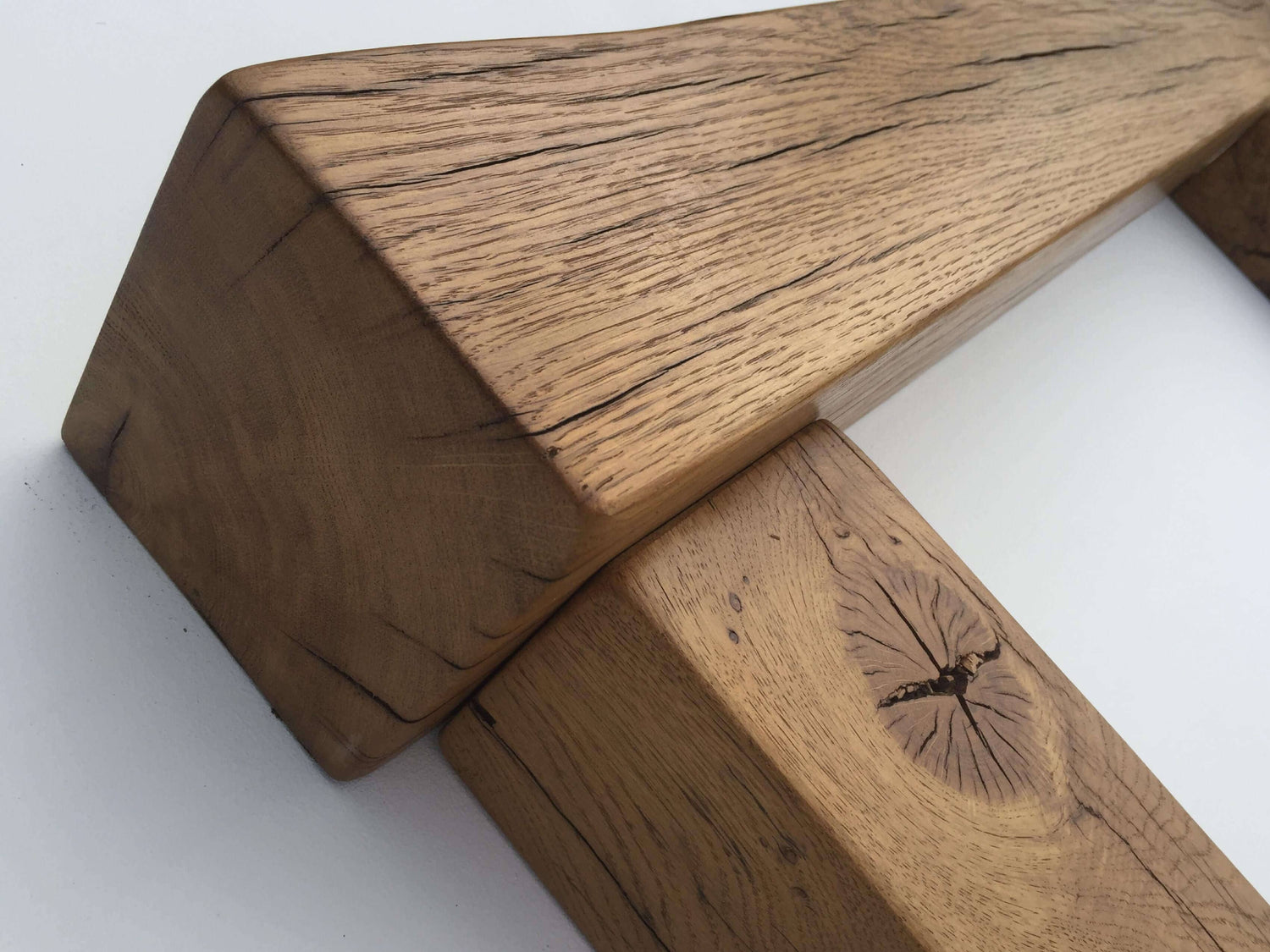
This is one of the reasons customers often pair shelving with other elements such as oak beams, oak fireplace beams and oak window beams to create more consistency throughout the home. Darker finishes on oak can also dramatically shift the feel of the room, making shelving appear more rustic, traditional or industrial depending on the surrounding materials.
Pine Shelving
Pine shelving tends to create a softer and lighter finish overall. The grain is usually less dominant than oak, which means pine shelves can often blend into the room more naturally rather than becoming a focal point.
They are especially popular within:
- Scandinavian-inspired interiors
- Painted spaces
- Contemporary homes
- Smaller rooms
- Lighter neutral colour palettes
Our pine floating shelves are often chosen where customers want natural timber shelving without the heavier visual weight that oak sometimes introduces.
Best Finishes for Wooden Shelves

The same shelf can look completely different depending on the finish applied.
Lighter finishes usually help maintain:
- A cleaner appearance
- Brighter spaces
- Softer contrast
- More contemporary styling
Darker finishes tend to:
- Create warmth
- Add depth
- Increase contrast
- Emphasise the grain and texture of the timber
Floating Shelves vs Bracket Shelves

One of the biggest decisions people make when choosing wooden shelving is whether to go for floating shelves or shelves with visible brackets. Neither option is universally better. In reality, they simply create very different results within a room.
Floating shelves tend to feel cleaner, lighter and more contemporary, while bracket shelving usually creates a more structured and traditional appearance. The right choice often comes down to the style of the space, the wall type and how the shelving will actually be used day to day.
When floating shelves work best
Floating shelves are often the better option when you want shelving to feel integrated into the wall rather than becoming a dominant feature. Because the supports are concealed, they help maintain cleaner sightlines throughout the room and reduce visual clutter.
They are especially effective in:
- Contemporary interiors
- Smaller rooms
- Alcoves and media walls
- Minimalist kitchens
- Modern bathrooms and cloakrooms
Floating shelves also work particularly well where the goal is to soften a room without introducing too much visual weight.
Our oak floating shelves are commonly used this way within living spaces, kitchens and home offices where customers want natural timber without the heavier look associated with bracket shelving.
When bracket shelves work better
Bracket shelving generally creates a more grounded and architectural feel. Visible brackets naturally draw more attention to the shelf itself, which is why this style works so well within farmhouse kitchens, industrial-inspired interiors and more rustic spaces.
Bracket shelving can also feel visually stronger when supporting:
- Heavier cookware
- Books
- Plants
- Larger decorative pieces
Our oak shelves with brackets offer a cleaner and more structured version of this look, while rustic shelves with brackets lean further into exposed metalwork and aged timber character. If shelving is intended to become part of the overall room design rather than blending quietly into the background, bracket shelving is often the stronger choice.
Creating a More Cohesive Look Throughout the Home

One thing that often separates a room that feels “finished” from one that doesn’t is consistency in materials and detailing. Shelving usually works best when it feels connected to other elements within the space rather than appearing as a completely separate feature.
That doesn’t mean everything needs to match perfectly, but repeating similar timber tones and textures throughout the home can help create a much more balanced result.
Many customers use shelving alongside:
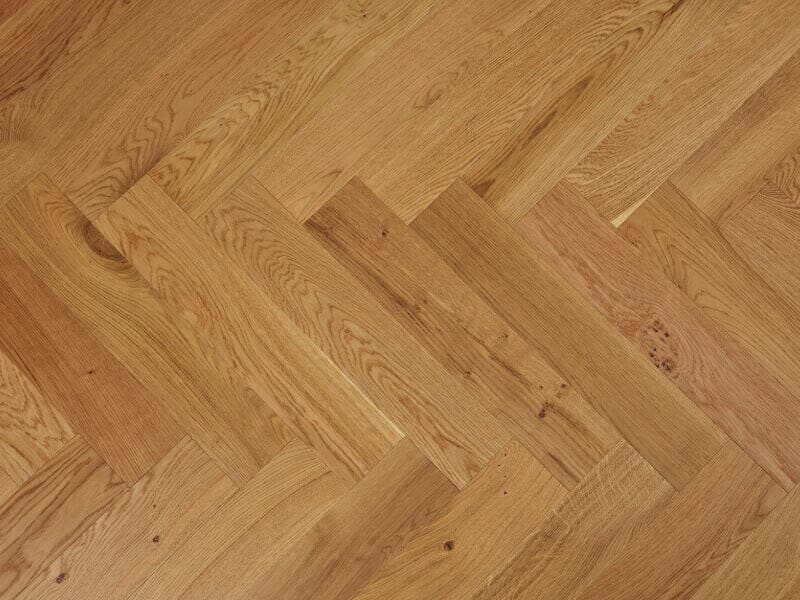
To carry natural timber detailing between rooms and create more continuity across the property. Even smaller details like matching shelf finishes to existing timber flooring, window beams or oak furniture can help the room feel more intentional overall.
Why Customers Choose Traditional Beams Shelving
Choosing shelving is rarely just about finding somewhere to store things. The right shelves help shape how a room feels, how practical it is to live in and how well different parts of the home connect together visually.
At Traditional Beams, all of our shelving is handcrafted from solid oak, pine and Scandinavian redwood in our North Yorkshire workshop using timber selected for its durability, natural character and long-term performance within the home.
Rather than mass-produced shelving or veneered alternatives, we focus on solid timber shelves designed to feel substantial, balanced and built to last. Whether you’re looking for clean floating shelves, more traditional bracket shelving or bespoke bathroom shelving, the goal is always the same: creating shelving that works naturally within the space and continues to look right long after installation.

Shelving Buying Guide: FAQs
What type of wooden shelves are best for living rooms?
Floating shelves are often popular in living rooms because they create a cleaner and less bulky appearance, particularly within alcoves and media wall layouts.
Are floating shelves strong enough for everyday use?
Yes, when installed correctly using suitable fixings and wall support, floating shelves are suitable for a wide range of everyday storage and decorative use.
What timber is best for wooden shelves?
Oak is often chosen for a more substantial and character-led appearance, while pine tends to suit lighter and more contemporary interiors.
Are bracket shelves stronger than floating shelves?
Both can provide excellent support when installed correctly. The best option will usually depend on wall type, shelf size and how the shelving will be used.
Can floating shelves be installed on plasterboard walls?
Yes, specialist concealed supports and plasterboard fixings can allow floating shelves to be installed securely onto many plasterboard walls.
Should shelving match oak beams and other timber features?
It doesn’t need to match perfectly, but using similar timber tones and finishes throughout the home can help create a more cohesive overall look.