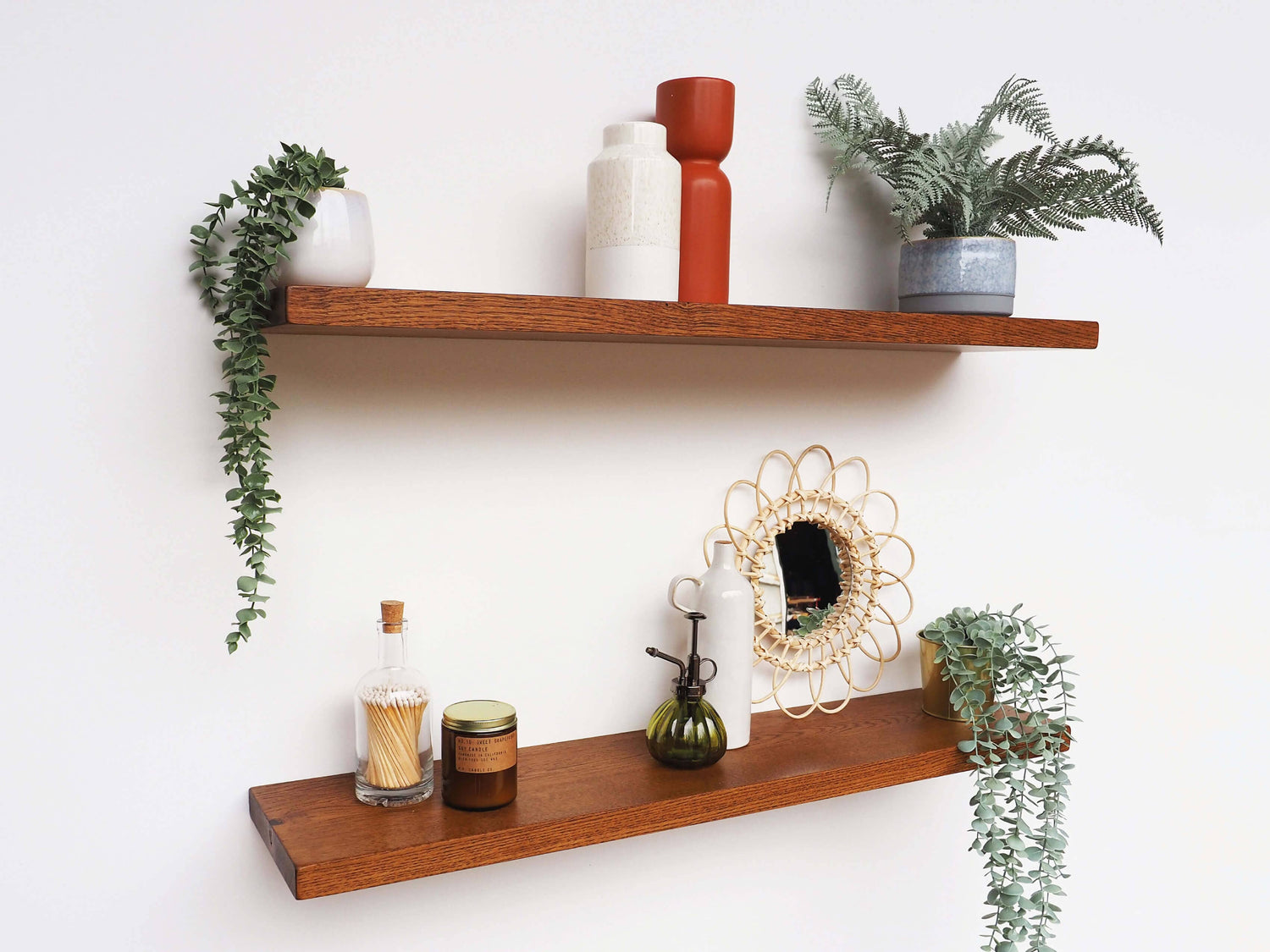

Floating Shelves vs Bracket Shelves
Choosing between floating shelves and bracket shelves sounds like a small design decision until you actually start planning a room properly. Floating shelves and bracket shelves create completely different results once they’re on the wall. One isn’t automatically better than the other, but they do change how a room feels, how the shelving functions and how visually prominent it becomes within the space.
At Traditional Beams, we make both styles and one thing we’ve noticed over the years is that customers usually know very quickly when they’ve chosen the wrong type of shelf. The room either feels too busy, too plain, too heavy or simply not balanced properly.
This guide breaks down the real differences between floating shelves and bracket shelves, including appearance, practicality, strength, installation and styling as well as which works best in different types of spaces.
We’ll also cover:
- The difference between floating shelves and bracket shelves
- Why floating shelves became so popular
- Where bracket shelves usually work better
- Are floating shelves strong enough?
- Which shelf style feels more modern?
- Which shelves work best on plasterboard walls?
- Floating shelves vs bracket shelves for kitchens, alcoves and living spaces
- Which option is easier to install?
- How to choose the right shelving style for your home
What’s the Difference Between Floating Shelves and Bracket Shelves?

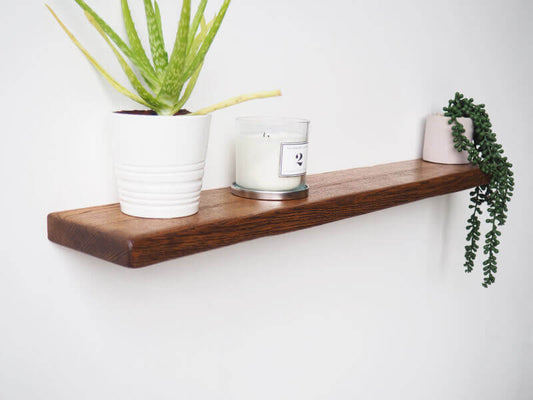
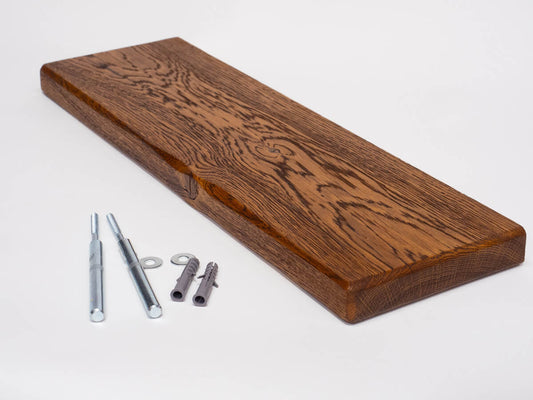
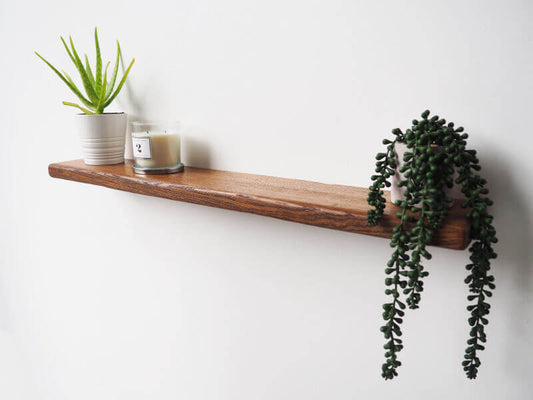
The biggest difference is visible support. Floating shelves use concealed fixings hidden inside the shelf itself, creating a cleaner appearance where the timber appears to sit directly against the wall.
Bracket shelves leave the supports visible underneath, turning the brackets into part of the overall design rather than trying to hide them. That one difference completely changes the feel of the shelving once installed.
|
Floating Shelves |
Bracket Shelves |
|
Cleaner Appearance |
More Architectural Feel |
|
Concealed Supports |
Visible Metalwork |
|
Contemporary Styling |
Rustic & Traditional Styling |
|
Reduced Visual Bulk |
Stronger Visual Presence |
|
More Minimal Overall |
More Character-Led |
Neither is automatically better. The right choice usually depends on whether you want the shelving to quietly blend into the room or become part of the room’s visual character.
Why Floating Shelves Became So Popular

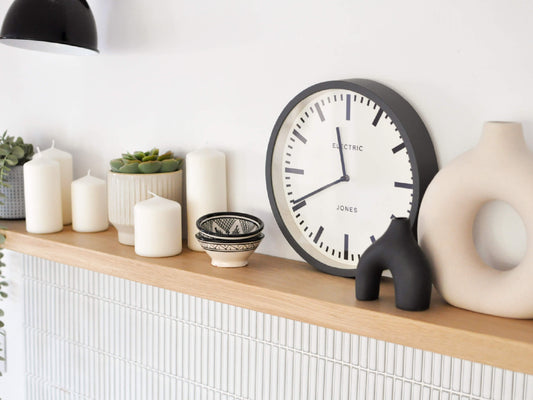
Floating shelves became popular for a reason. They instantly make a room feel less cluttered. Because there are no visible brackets underneath, the eye focuses more on the timber itself rather than the structure supporting it. That cleaner look works particularly well in modern interiors where simplicity and cleaner lines matter more.
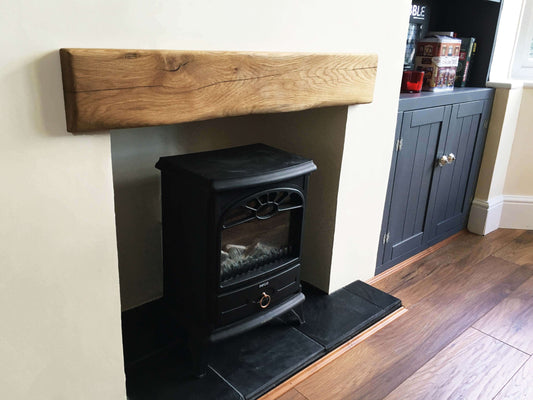
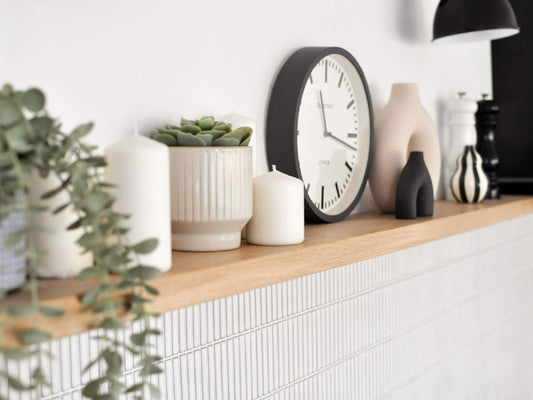
Floating shelves are especially popular in alcoves, media walls, contemporary kitchens and smaller rooms where reducing visual bulk makes a noticeable difference.
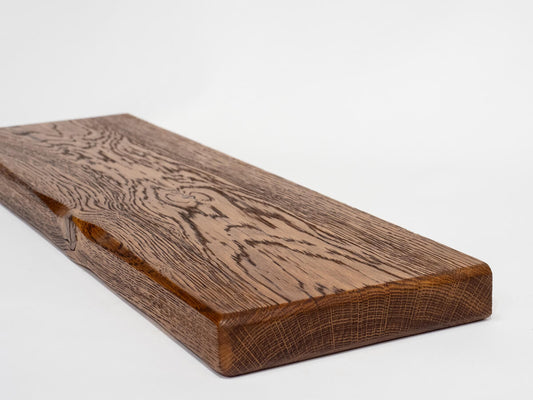
Our oak floating shelves are particularly popular in living spaces where customers want natural timber shelving without introducing too much heaviness into the room.
For lighter interiors, pine floating shelves often create an even softer finish, especially in Scandinavian-inspired spaces or rooms with painted walls and lighter flooring.
Where Bracket Shelves Usually Work Better

Bracket shelves tend to win when you actually want the shelving to feel noticeable. Visible brackets naturally create more contrast and structure against the wall, which is why this style works so well in farmhouse kitchens, rustic interiors and industrial-inspired spaces.
In these spaces, hiding the supports can sometimes make shelving feel slightly too minimal or disconnected from the rest of the room.
Our oak shelves with brackets create a cleaner and more refined version of this look, while rustic shelves with brackets lean more heavily into aged timber character and exposed metalwork.
If you want shelving to feel like part of the room’s architecture rather than something visually subtle, bracket shelves are often the stronger option.
Are Floating Shelves Strong Enough?

This is probably the biggest misconception around floating shelving. A lot of people assume floating shelves are mainly decorative or only suitable for lightweight styling pieces, but properly installed floating shelves can comfortably support everyday use.
The important part is:
- Wall Type
- Fixing System
- Shelf Depth
- Weight Distribution
Solid masonry walls naturally provide the strongest support for both floating and bracket shelving.
Plasterboard walls need more consideration, but modern concealed support systems have made floating shelving on plasterboard far more reliable than many people expect. Our dedicated shelves for plasterboard walls collection uses specialist concealed Hafele supports and Gripit fixings designed specifically for lighter wall types.
That said, bracket shelving can sometimes feel psychologically “stronger” simply because the supports remain visible underneath the shelf. Even when the actual load capacity is similar, exposed brackets naturally look more structural to most people.
For heavier storage such as cookware, large books or bulky styling pieces, many customers still prefer bracket shelving because it visually feels more secure and grounded within the room.
Which Shelf Style Looks More Expensive?

This usually comes down to the overall style of the room rather than the shelf itself.
Floating shelves often feel more premium in contemporary interiors because the concealed supports create a cleaner and more refined finish. When installed properly, they almost appear to emerge directly from the wall, which gives the shelving a more bespoke and architectural feel.
That’s one of the reasons floating shelves became so popular within media walls, alcoves, modern kitchens and minimalist interiors.
Our oak floating shelves are often chosen specifically for this reason. The combination of solid oak and concealed supports creates a much more substantial finish than thinner veneered shelving or lightweight MDF alternatives.
What about bracket shelving?
Bracket shelving creates a different kind of visual impact. Rather than trying to minimise the structure, bracket shelves make the support part of the overall design. In rustic homes, farmhouse kitchens and industrial-style interiors, this can actually feel far more expensive because the shelving appears heavier, more grounded and more intentional within the space.
The important thing is consistency.
Ultra-modern floating shelves can occasionally feel slightly out of place in traditional homes, while chunky rustic bracket shelves may overwhelm cleaner contemporary interiors if the surrounding materials are too minimal. In most cases, the shelving that looks “best” is simply the shelving that feels most natural within the room itself.
Which Shelves Are Easier to Install?
Neither floating shelves nor bracket shelves are necessarily difficult to install, but they do require slightly different approaches. Floating shelves usually demand more precision because the concealed supports need to line up accurately inside the shelf itself. If the brackets are even slightly uneven, it becomes much more noticeable once the shelf is fitted.
Bracket shelving can sometimes feel more forgiving because the supports remain visible and easier to adjust during installation.
That said, floating shelves often create a cleaner finished result once installed correctly, particularly on solid walls.
Wall type also matters here.
|
Wall Type |
Floating Shelves |
Bracket Shelves |
|
Solid Masonry |
Excellent Support |
Excellent Support |
|
Plasterboard |
Requires Specialist Fixings |
Often Slightly More Forgiving |
|
Stud Walls |
Depends On Stud Positioning |
Usually Easier To Adapt |
For plasterboard walls, specialist support systems make a huge difference. Our shelves for plasterboard walls use concealed Hafele supports and Gripit fixings designed specifically for lighter wall types while still maintaining the cleaner floating appearance many customers want.
If you’re unsure about wall structure or load capacity, it’s always worth planning the installation before choosing the shelf style rather than afterwards.
Floating Shelves vs Bracket Shelves for Different Spaces
Some shelf styles naturally suit certain spaces better than others. That doesn’t mean there are hard rules, but there are definitely patterns that tend to work well long term.
|
Space |
Usually Works Best |
Why |
|
Alcoves & Media Walls |
Floating Shelves |
Cleaner Lines And Less Visual Clutter |
|
Farmhouse Kitchens |
Bracket Shelves |
More Warmth And Structure |
|
Contemporary Kitchens |
Floating Shelves |
Cleaner And More Minimal |
|
Utility Rooms |
Bracket Shelves |
Practical And More Robust Feel |
|
Bathrooms & Cloakrooms |
Floating Shelves |
Reduces Visual Bulk |
|
Rustic Interiors |
Bracket Shelves |
Better Suited To Heavier Timber Character |
This is usually less about “rules” and more about visual balance. Floating shelves reduce visual weight, while bracket shelving adds more structure and contrast. The right choice depends on whether you want the shelving to quietly support the room or become part of the room’s overall character.
Which Shelf Style Is Right for Your Home?

If you prefer:
- Cleaner Lines
- Minimal Interiors
- Less Visual Clutter
- A More Contemporary Finish
Floating shelves will usually feel like the more natural choice.
If you prefer:
- More Character And Texture
- Traditional Or Rustic Interiors
- Shelving That Feels Architectural
- A Stronger Visual Feature Within The Room
Bracket shelving often works better.
The important thing is not choosing based purely on trends.
A shelf that suits the property, the room proportions and the surrounding materials will nearly always feel better long term than simply following whatever style happens to be most popular at the time.
At Traditional Beams, we handcraft both floating shelves and bracket shelves from solid oak and pine in our North Yorkshire workshop. Whether customers choose floating or bracket shelving, the goal is usually the same: creating shelving that feels balanced, practical and genuinely suited to the home it’s going into.
Many customers also pair shelving alongside Oak beams, Oak fireplace beams and Oak window beams to create a more cohesive timber finish throughout the property.

Floating Shelves vs Bracket Shelves: FAQs
Are Floating Shelves Still In Style?
Yes. Floating shelves remain one of the most popular shelving styles, particularly within contemporary interiors, alcoves and media wall layouts because of their cleaner appearance.
Are Bracket Shelves Stronger Than Floating Shelves?
Not necessarily. Both can provide excellent support when installed correctly. Bracket shelves often feel visually stronger because the supports remain visible underneath the shelf.
Can Floating Shelves Hold Books?
Yes, properly installed floating shelves can comfortably support books and everyday storage depending on the wall type, fixing system and shelf depth.
Which Shelves Work Best On Plasterboard Walls?
Both styles can work on plasterboard walls when suitable fixings are used. Floating shelves may require more specialist concealed supports depending on the load and wall structure.
Are Floating Shelves Good For Kitchens?
Yes. Floating shelves are especially popular in contemporary kitchens because they create a cleaner and less bulky appearance compared to heavier bracket shelving.
Do Bracket Shelves Suit Modern Homes?
They can. Simpler metal brackets paired with cleaner timber finishes can work very well in modern interiors, particularly where customers want to introduce more texture or warmth into the space.