
Creating Character with Rustic Oak Shelves and Brackets
Rustic interiors aren't defined by one particular type of home. While solid oak and exposed metalwork naturally suit cottages and period properties, the same materials can bring warmth and texture to a contemporary kitchen, new extension or freshly renovated living space.
That's part of the appeal of rustic oak shelves with brackets. The combination is simple: real timber, natural variation and visible supports. You can lean heavily into the rustic look or use a single shelf to introduce just enough character to an otherwise clean interior.
At Traditional Beams, we think the best results come from working with the natural character of the oak rather than trying to make every feature look perfectly uniform. Knots, grain and tonal variation all become part of the finished shelf, giving you something that feels individual to your home.
Three Ingredients That Create the Look

You don't need exposed stone walls and a centuries-old cottage to make rustic bracket shelves work. Much of their character comes from three simple elements.
- Natural Oak
Solid oak brings texture before you've put anything on the shelf.
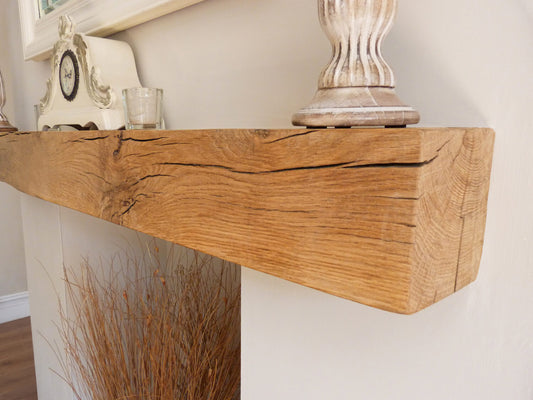
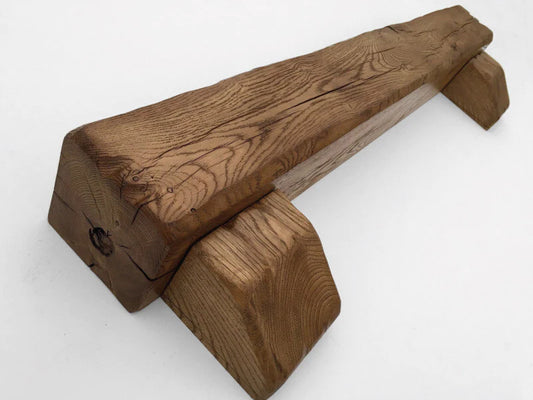
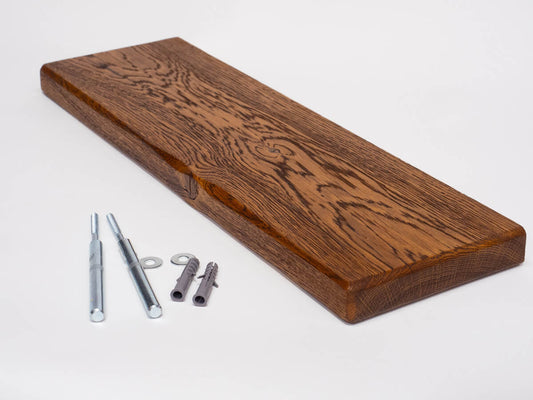
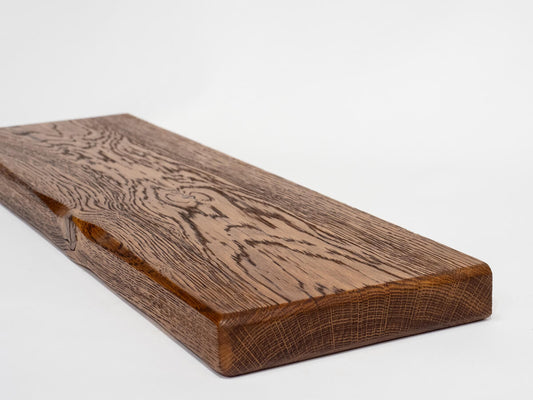
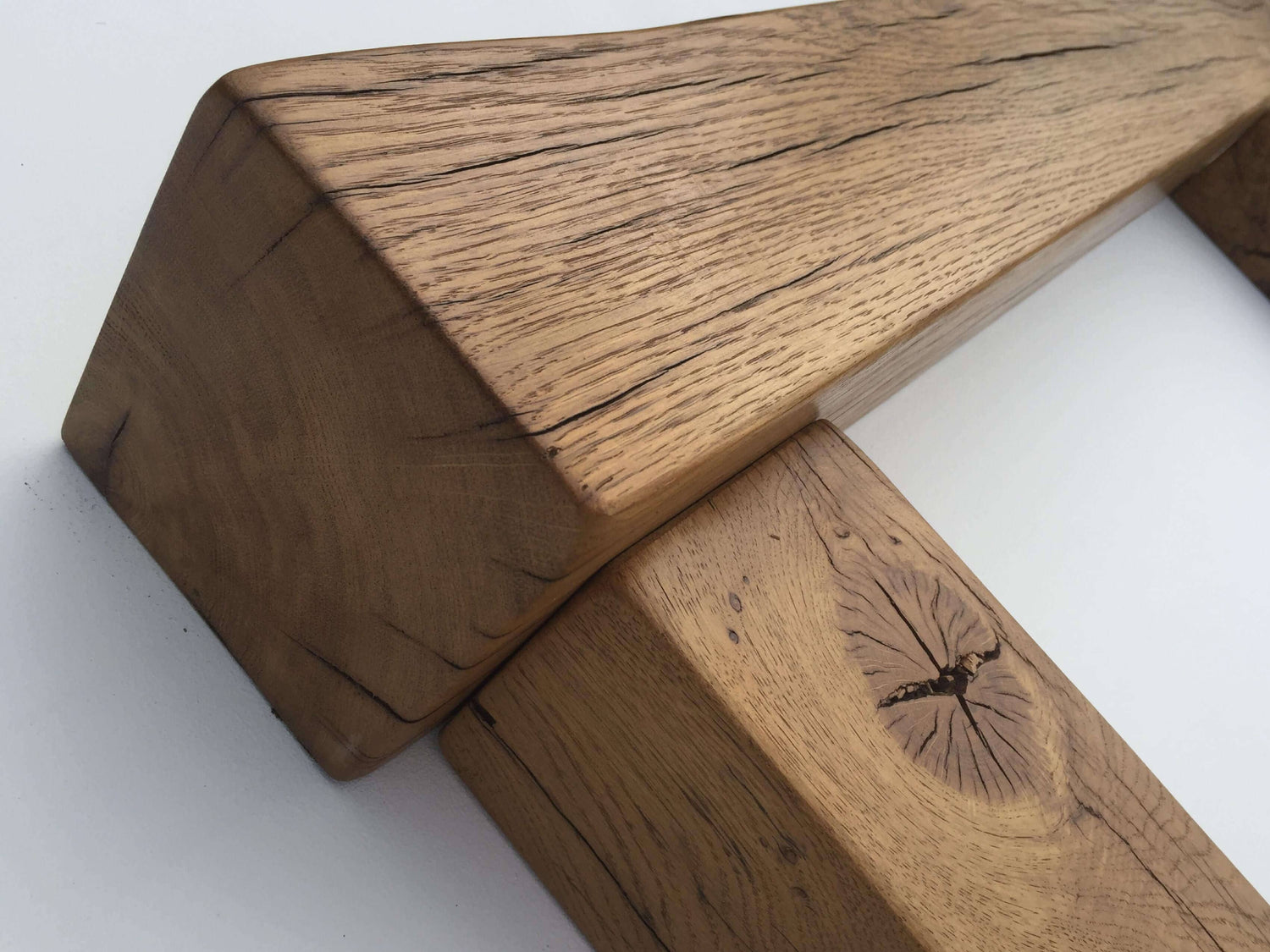
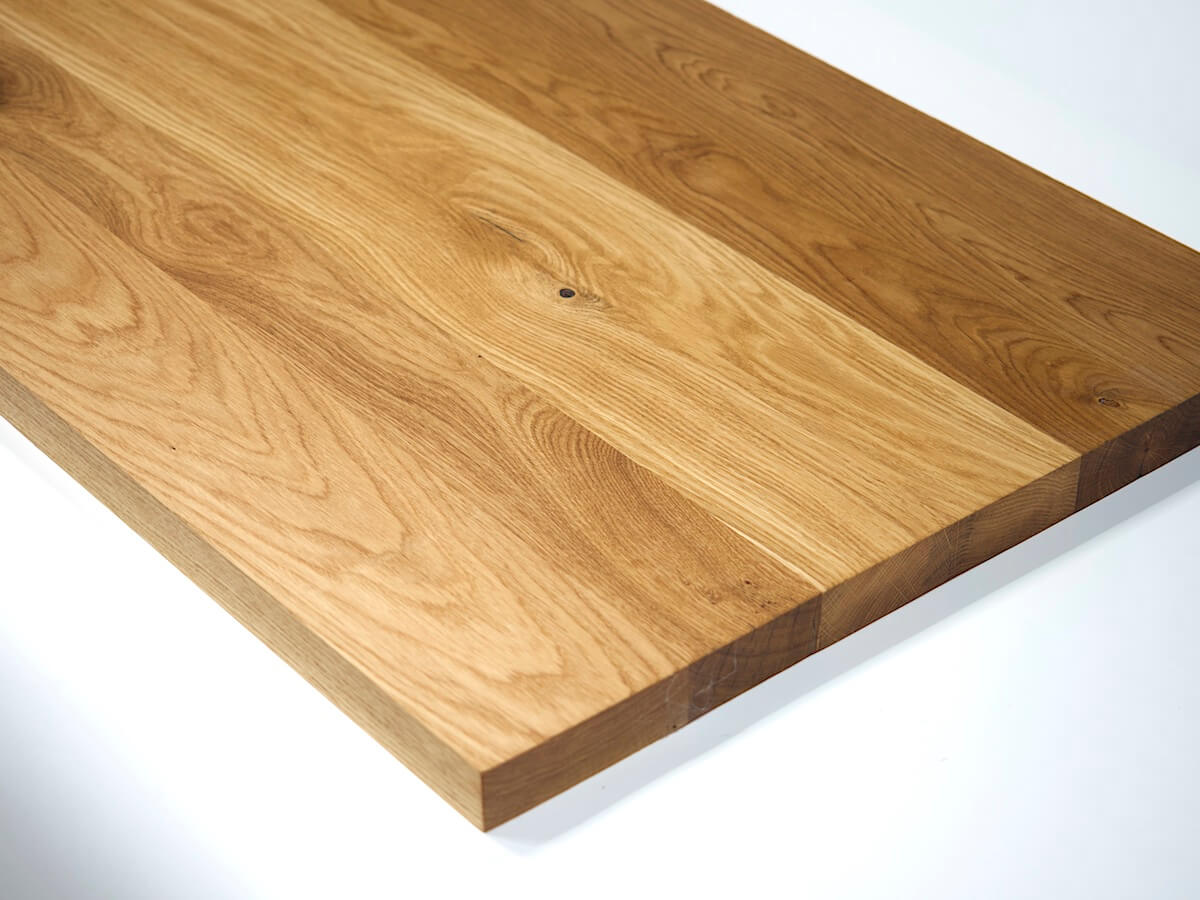
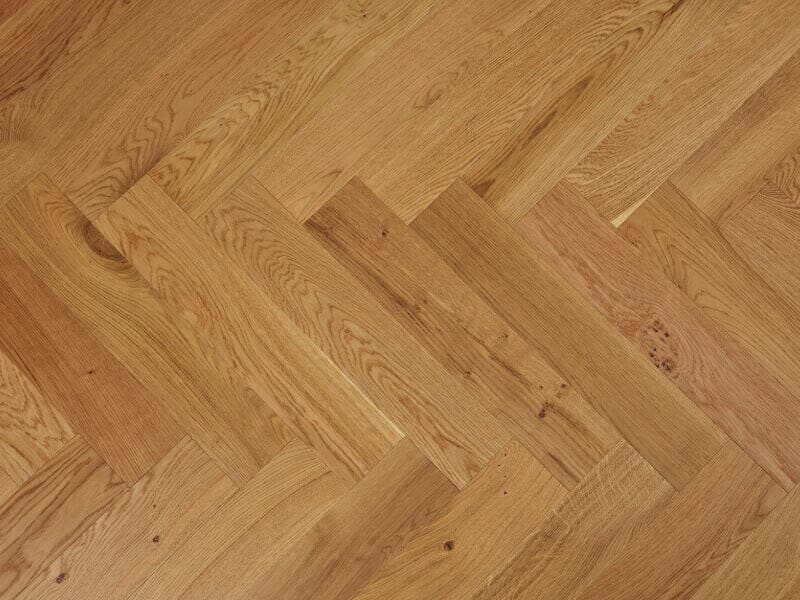
Look closely and you'll see grain patterns, knots and variations in tone that change from one piece of timber to another. These details prevent a rustic shelf from feeling overly polished or mass-produced.
They're also why several shelves fitted together won't necessarily look identical. Rather than being a drawback, those subtle differences help create the natural look that makes real oak so distinctive.
- Visible Metalwork
With floating shelving, the goal is usually to make the fixings disappear. Rustic bracket shelves deliberately do the opposite.
Steel brackets introduce sharper lines beneath the natural timber and give the shelf a more substantial appearance. Depending on the bracket design you choose, the metalwork can become a prominent feature or play a quieter supporting role.
If you're deciding between the options in our range, our guide to lipped and inverted brackets for oak shelves takes a closer look at how each design changes the finished appearance.
- The Right Finish
Rustic doesn't automatically mean dark oak.
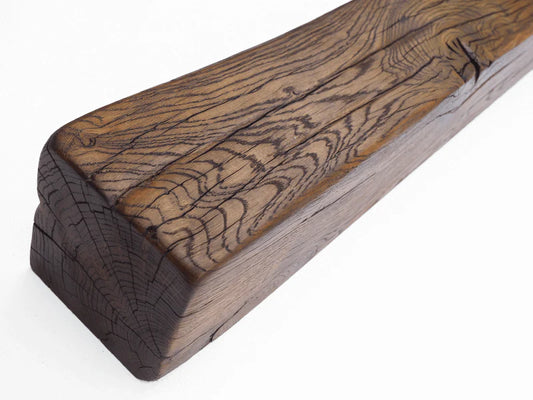
A deeper finish can emphasise the traditional side of the timber, particularly alongside exposed brick, stone or period features. A lighter finish allows you to keep the natural grain and character while creating something that feels much fresher.
The surroundings matter too. The same oak shelf can feel completely different against warm limewash, crisp white paint or exposed brick.
TB Tip: If you already have oak elsewhere in the room, don't worry about achieving an exact colour match. Natural timber will always contain variation. Aim for finishes that complement one another rather than making every piece identical.
Rustic Shelves in Very Different Homes
One of the easiest ways to see how versatile rustic oak shelving can be is to put the same basic idea into three completely different interiors.
In an Older Cottage

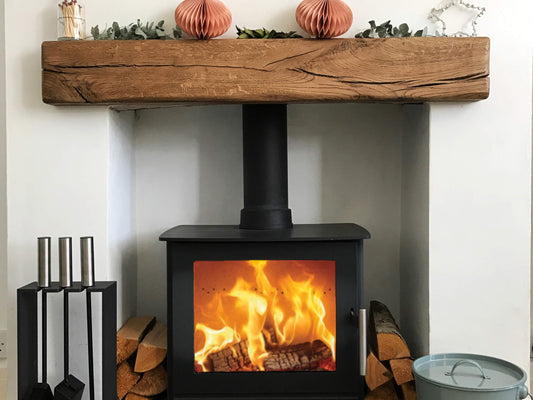
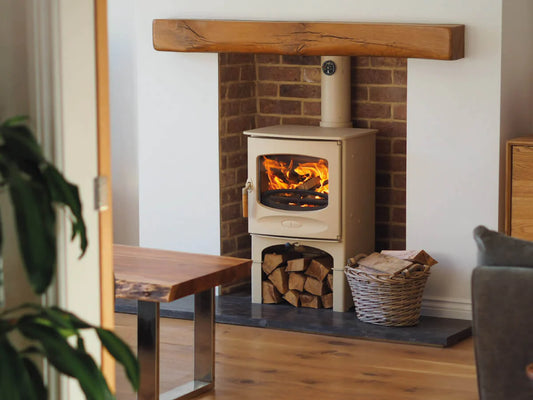
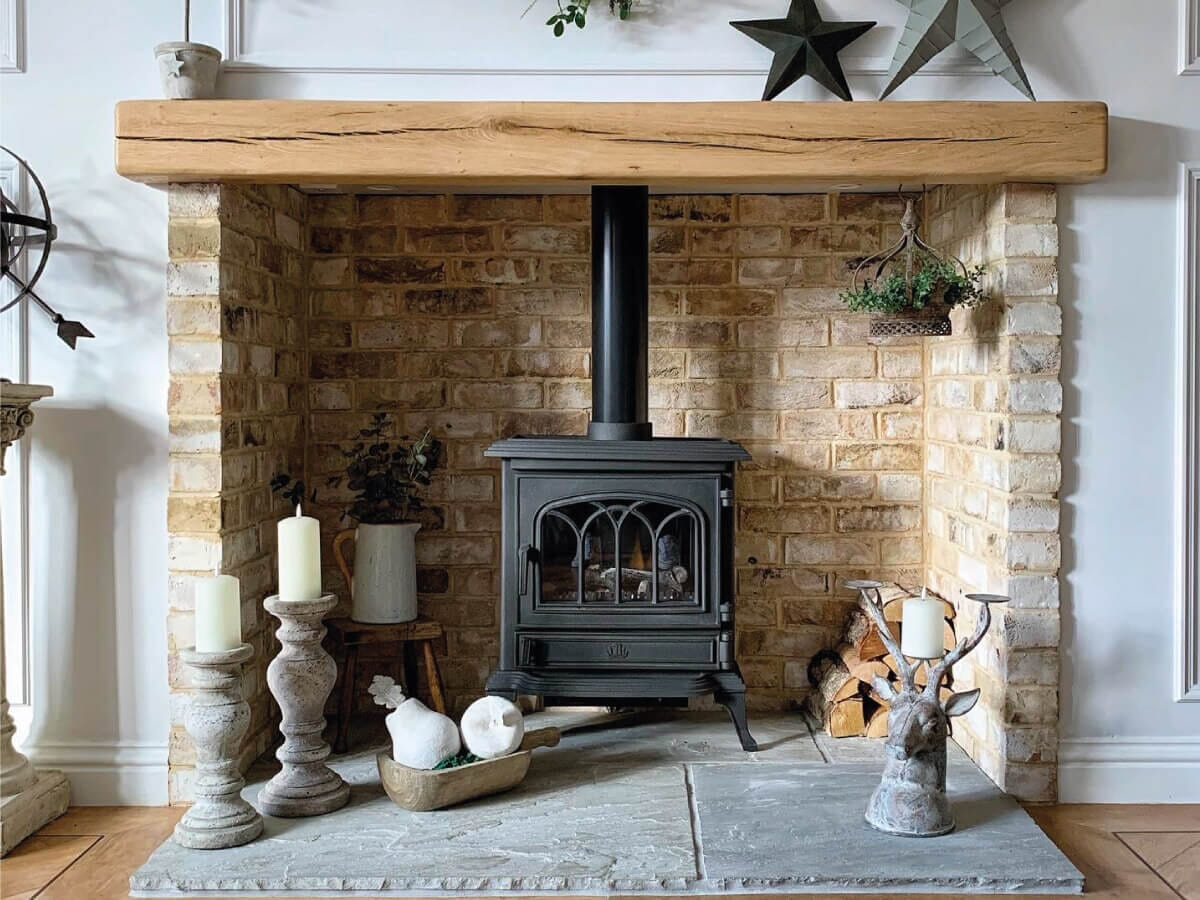
Here, you can embrace the character. Oak shelves with visible brackets sit naturally alongside exposed stone, brick fireplaces, timber beams and wood-burning stoves. Ceramics, old books and useful everyday pieces stop the shelving from feeling overly styled.
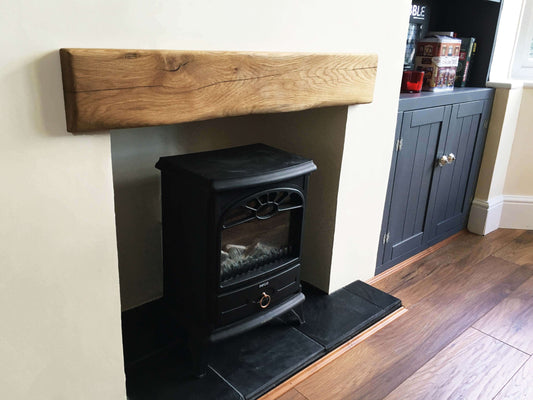
If the fireplace is already the focal point, adding bracket shelves within the surrounding alcoves can extend the use of natural oak without competing with it. An oak fireplace surround or existing oak structural beams can help connect the different timber elements across the room.
In a Contemporary Kitchen

This is where the contrast becomes interesting. A run of rustic oak shelves can break up smooth cabinetry and large expanses of painted wall, introducing natural grain into a kitchen that might otherwise feel very uniform.
Pairing oak with dark brackets also works particularly well where black or darker metal has already been used for handles, taps or lighting. Add everyday crockery, glassware and ingredients and the shelving quickly becomes part of how the kitchen is actually used. The result still feels contemporary, it simply has more texture.
In a Modern Extension

Large windows, clean plasterwork and open-plan layouts provide a surprisingly good backdrop for characterful oak. Here, you might use rustic bracket shelves more sparingly. A single long shelf can introduce warmth without disrupting the simplicity of the architecture, while repeating oak elsewhere helps the feature feel intentional.
Where structural steel has been introduced during the renovation, oak box beams can provide another way to bring natural timber into the space by disguising the steelwork and creating the appearance of a traditional beam.
Shelves That Look Better When They're Used

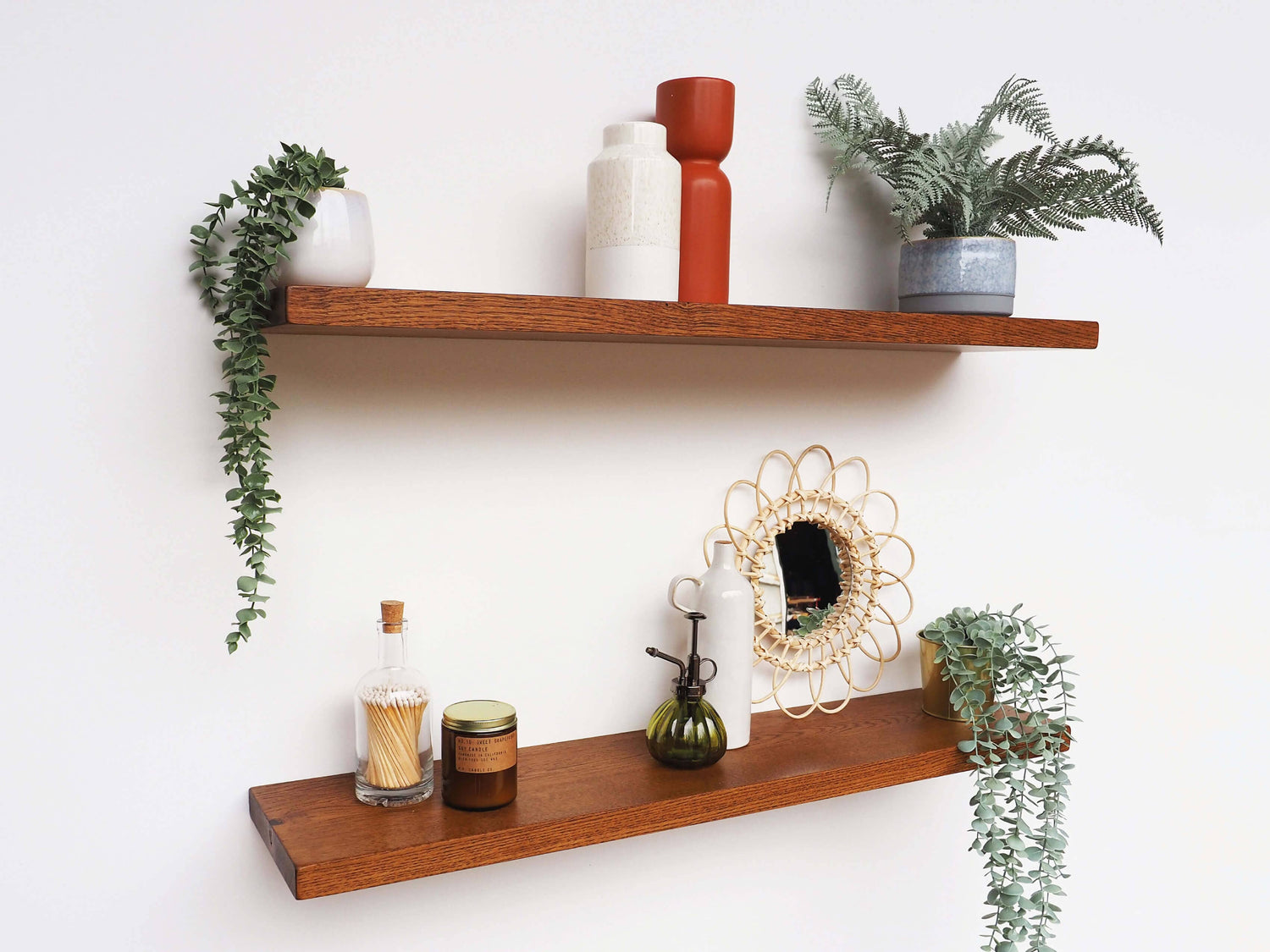
Rustic shelving doesn't need to be perfectly staged. In many homes, it looks better when there's a mixture of things you use and things you simply enjoy having around.
That might mean cookbooks sitting beside everyday bowls in the kitchen, or photographs mixed with plants and old books in a living room.
A few ideas include:
- Handmade ceramics and pottery.
- Books and cookbooks.
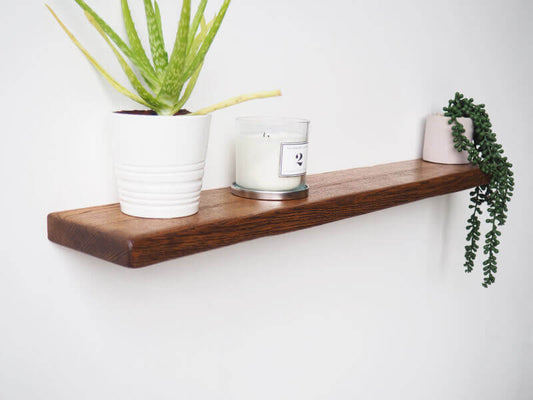
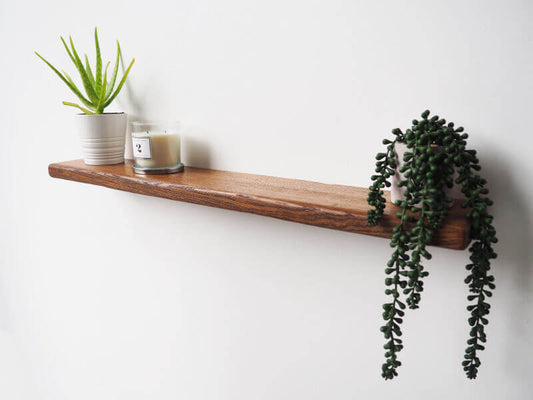
- Plants and trailing greenery.
- Framed artwork or photographs.
- Glassware and kitchen essentials.
- Candles and smaller decorative pieces.
- Personal objects collected over time.
Try to leave some of the oak visible rather than filling every centimetre. The timber itself is part of the display, particularly when you've chosen rustic oak for its grain and natural character.
And don't worry too much about symmetry. A mixture of different heights, shapes and textures often feels much more at home on a rustic shelf than a perfectly mirrored arrangement!
One Shelf or a Full Run?
How much shelving you introduce can make just as much difference as the shelf itself. Rustic oak shelves can work as a single feature or become a much bigger part of the room.
One Long Shelf
A single oak bracket shelf creates a strong horizontal feature without taking over the wall. It works particularly well above a sideboard, desk or other piece of furniture, where the shelf can help anchor everything below it.
It's also a good way to introduce oak into a room where you don't need large amounts of additional storage.
A Pair of Shelves
Two shelves give you more room to work with while keeping the arrangement relatively simple. This can be particularly effective in chimney breast alcoves, kitchens and home offices.
You can keep the styling fairly consistent between the two or use one primarily for practical storage and the other for more decorative pieces.
Make More of the Wall
For kitchens, studies and larger alcoves, several rows of oak shelves can turn an otherwise empty wall into genuinely useful storage.
Here, spacing becomes important. Think about what needs to fit between each shelf rather than positioning them purely for symmetry. Tall books, kitchen appliances, plants and artwork may all require different amounts of space.
The visible brackets then become a repeated detail across the wall, giving the whole arrangement more structure.
Oak and the Materials Around It

One of the easiest ways to shape the character of rustic bracket shelves is through the materials you place around them.
Oak + Brick
Exposed brick and oak are natural partners. Both have variation in colour and texture, while the steel brackets add definition between them. This combination can lean traditional, industrial or somewhere in between depending on the rest of the room.
Oak + Stone
Stone fireplaces, flagstone floors and natural oak create a softer, more traditional palette. This works particularly well in cottages and rural properties where the materials already form part of the building.
Oak + Painted Cabinetry
In kitchens, oak shelves can break up a continuous run of painted cabinets and introduce a warmer material at eye level. Deep greens, blues and charcoal shades can create plenty of contrast, while creams and softer neutrals keep the overall look lighter.
Oak + Black Metal
If you want to bring out the more industrial side of rustic shelving, repeat darker metal elsewhere in the room. Lighting, cabinet handles, table legs or a wood-burning stove can all subtly pick up the steel brackets.
There's no need to match every piece of metal exactly. Repetition is enough to make the materials feel connected.
Oak + Simple Plasterwork
Sometimes the oak needs very little around it. Against a clean plastered or painted wall, the grain, knots and natural edges of the timber become much more noticeable. It's a particularly effective way to introduce rustic character into a contemporary space without making the entire room feel traditional.
Carrying the Character Beyond Your Shelves

Once you've introduced natural oak into one part of a room, it can be repeated elsewhere without everything needing to match.
Around a fireplace, oak fireplace surrounds can create a stronger focal point while bracket shelving fills the neighbouring alcoves. Oak window beams provide another opportunity to introduce timber more subtly, while oak structural beams can make the material part of the architecture itself.
For renovation projects where steelwork needs to be concealed, oak box beams allow the same character to continue overhead. Handcrafted oak furniture can then carry those natural tones into the more functional parts of the room.
You don't necessarily have to use oak everywhere, either. Pine shelves can introduce a lighter timber option in other areas of the home while retaining the warmth and texture that comes from real wood.
The aim isn't to create a perfectly matching interior. Repeating natural materials in a few carefully chosen places is often enough to make different parts of a home feel connected.
Make It Your Own

The appeal of rustic oak shelves with brackets lies in the fact that they don't need to follow a particular formula. You can surround them with exposed brick and traditional furniture, place them against contemporary cabinetry or use a single shelf to bring some natural character into an otherwise minimal room.
How you use them matters just as much as where you put them. Fill them with the books you've actually read, crockery you reach for every day, favourite photographs or pieces you've collected over the years. A little imperfection often suits the natural oak far better than trying to create a perfectly styled display.
Explore our oak bracket shelves to find the combination of solid European oak, bracket style, depth and finish that works for your space. Whether you're adding one shelf or transforming an entire wall, the Traditional Beams team can help you find an option that feels at home in your interior.