
Oak Beams: Your Questions Answered
When you work with oak every day, you get asked a lot of questions about it. And we completely understand why.
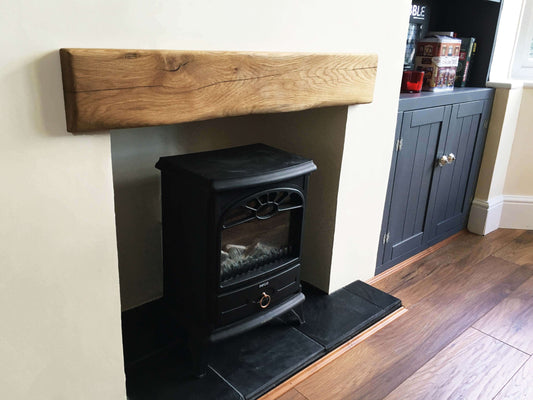
An oak beam isn't a small addition to a room. Whether you've chosen one for above the fireplace, incorporated structural oak into a renovation or added oak features throughout your home, you want to know what to expect once it's installed.
Is that crack normal? Will the colour change? Do I need to keep treating it? How close can it actually be to my stove?
These are exactly the sorts of questions our team regularly helps customers with. The first thing we'd say is that real oak isn't designed to stay completely unchanged. It's a natural material with its own grain, knots, colour and character, and it can continue to respond to its surroundings long after it becomes part of your home.
So, let's tackle some of the questions that tend to come up.
My Oak Beam Is Cracking. Should I Be Worried?

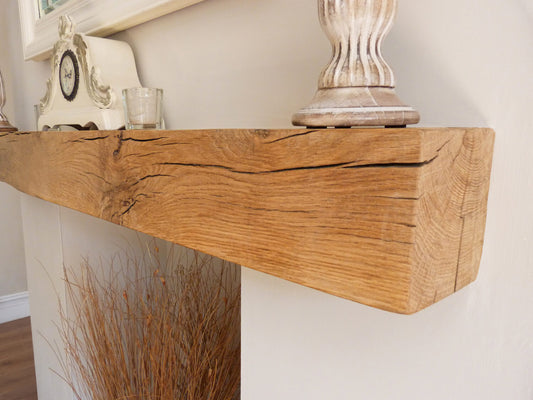
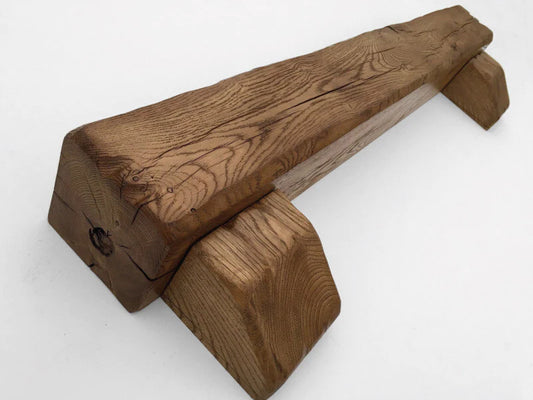
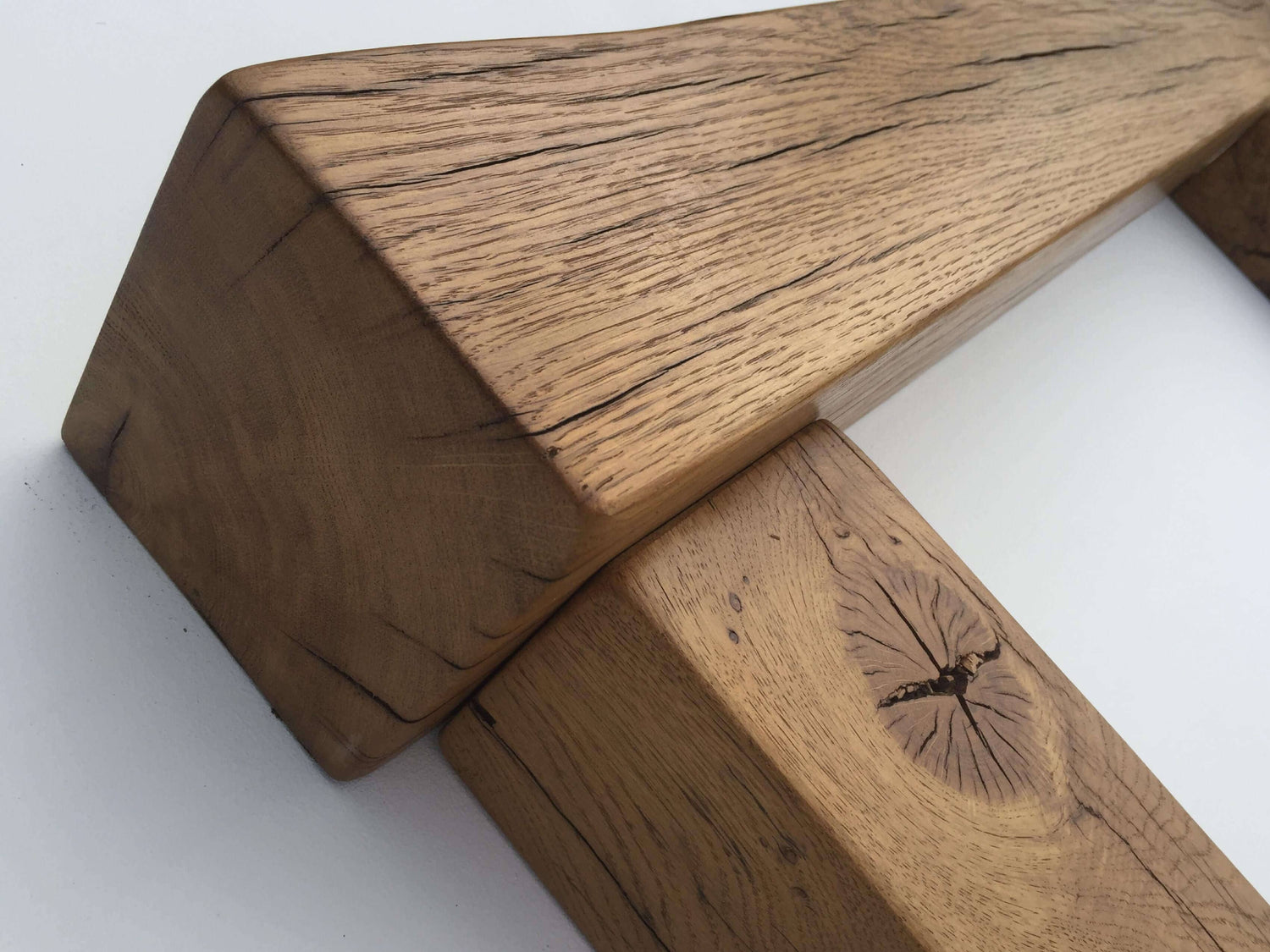
This is one of those questions that can sound alarming when a customer first asks it. You've bought a beautiful solid oak beam, a crack has appeared and naturally you want to know whether something has gone wrong. The reassuring answer is that some cracking, splitting and surface checking is a normal characteristic of solid oak.
Even properly dried timber continues to respond to changes in moisture and the conditions inside your home. With a substantial piece of oak, different parts of the timber can lose moisture at slightly different rates. As the wood adjusts, cracks and splits can become visible.
We've worked with enough oak to know that this natural movement is part of what gives the timber its character rather than automatically being a sign of a defective beam.
What Does Normal Oak Movement Look Like?
You might notice:
- Fine checks appearing on the surface.
- Cracks following the natural grain.
- An existing split becoming more noticeable.
- Small changes as the seasons and conditions inside your home change.
From the Workshop
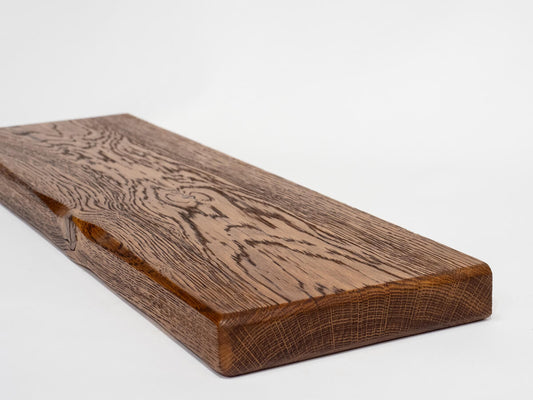
Oak doesn't come off our workshop bench and stop being a natural material. Grain, knots, tonal variation, splits and changes over time are all part of its character. Two beams won't necessarily behave or age in exactly the same way either.
There is an important distinction here, though.
If your oak beam is structural and you're concerned about significant cracking, movement or anything that could affect its structural performance, don't try to diagnose it from appearance alone. Have it assessed by an appropriately qualified professional.
A character split in a decorative fireplace beam and a concern about a structural timber aren't the same thing.
Will My Oak Beam Darken Over Time?

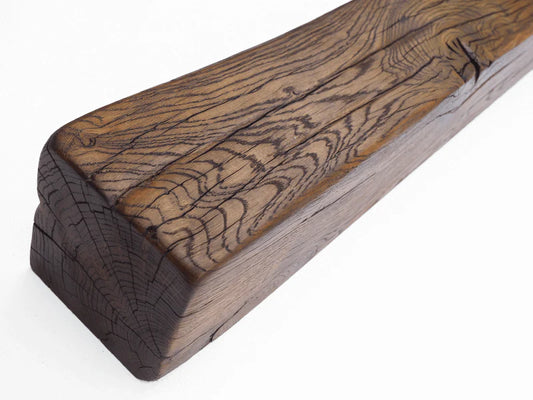
Another question we're regularly asked is whether an oak beam will stay the same colour as the day it arrives. The simple answer is: don't expect real oak to remain completely unchanged. Natural oak can develop in colour as it ages. Daylight, the surrounding environment and the finish applied to the timber can all influence its appearance.
You can think of it roughly as:
Freshly finished oak → Time and exposure → Gradual tonal change → A more established, aged appearance
How noticeable that change becomes will vary from beam to beam. Some customers specifically want oak that will develop more character with age. Others are trying to coordinate a new beam with existing timber in the room. In either case, it's useful to remember that you're working with natural materials rather than trying to create a perfect colour match.
Will Two Oak Beams Eventually Look the Same?
Probably not exactly, and we'd be wary of promising that they would.
Every piece of European oak has its own grain, knots and natural tone before any finish is applied. Differences can remain as the timber ages. If you're bringing several oak features into the same room, such as an oak fireplace beam, oak shelves and oak window beams, we'd usually think in terms of creating a complementary overall look rather than trying to make every piece of timber identical.
That's part of the appeal. You still see the individual oak rather than a repeated manufactured pattern.
What's the Best Way to Clean an Oak Beam?

Thankfully, this is usually a simple one! An oak beam shouldn't need an elaborate cleaning routine. For everyday dust, a soft, dry cloth is often all you need. The more important question is what to do when you've got an actual mark or dirt on the surface.
Dust, Dirt or a Proper Mark?
Just dusty? Use a soft, dry cloth and pay a little extra attention to knots, cracks and textured areas where dust can collect.
Something has marked the beam? First establish how the oak has been finished. Any cleaning product you use needs to be compatible with that finish.
Not sure what was used on it? Don't reach straight for the strongest household cleaner under the sink. Ask first or test an appropriate product somewhere inconspicuous.
With oak beams there are a few things we'd generally avoid:
- Soaking the timber with water.
- Harsh household chemicals.
- Aggressive scrubbing.
- Applying oils or treatments without checking what's already on the beam.
- Trying to remove every little sign of age.
That last point is worth mentioning. An oak beam doesn't have to remain pristine to look good. A little natural ageing is very different from neglect.
How Often Should I Maintain My Oak Beam?
You don't necessarily need to retreat an oak beam every year simply because twelve months have passed. Look at the timber rather than the calendar. A decorative oak beam high in a room may need very little attention. An oak fireplace beam lives in a different environment and may be exposed to more heat, dust and day-to-day activity.
Every so often, have a look at:
The finish: Does it still look and feel adequately protected?
Frequently touched areas: Are they starting to look noticeably different?
Marks or wear: Is normal cleaning no longer enough?
Changes around heat: If it's a fireplace beam, has anything changed that concerns you?
If your beam does eventually need refreshing, establish what finish is already on the oak before applying anything new. If it's one of ours and you're not sure what you're looking at, ask us. We'd much rather help you work out the right approach than have you put an unsuitable product onto the timber and try to fix it afterwards.
How Far Should My Oak Beam Be from a Stove?
Now we get to one of the questions where we'd rather disappoint someone with a slightly less convenient answer than give them a misleading one! There isn't a single safe distance that we can give you for every oak beam and every stove.
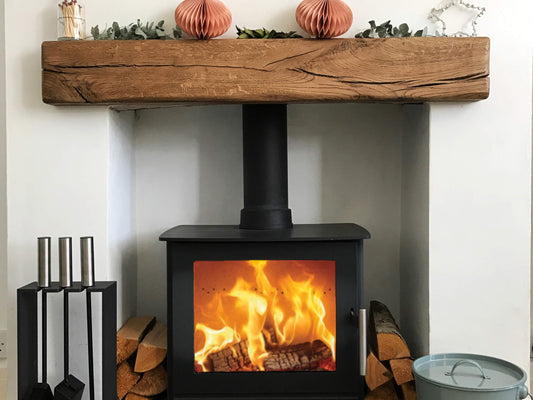
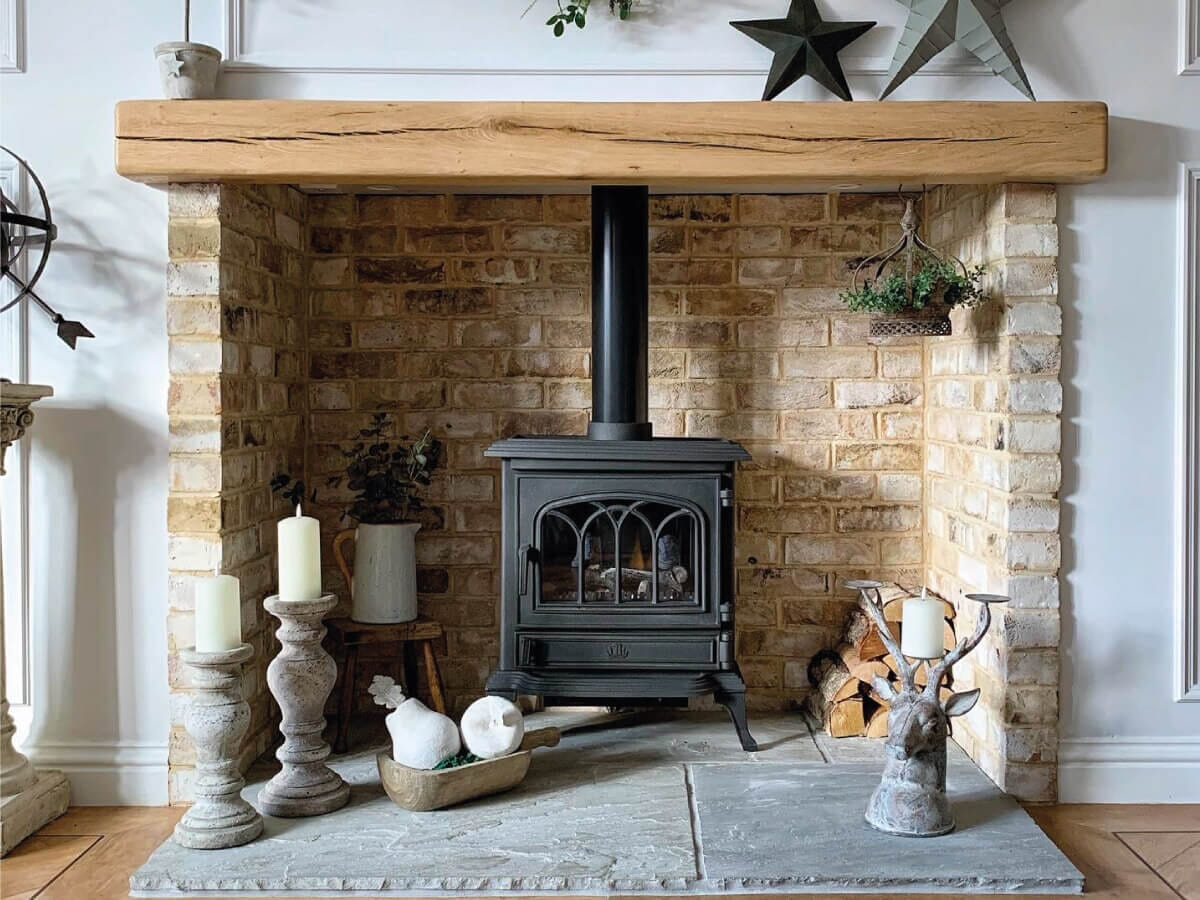
Oak is combustible. That means you shouldn't position an oak fireplace beam based solely on what looks right above the stove.
The correct clearance can depend on:
- Your particular stove.
- The manufacturer's requirements for combustible materials.
- Heat output.
- The position of the beam.
- Fireplace construction.
- How the stove has been installed.
- Any approved heat protection incorporated into the design.
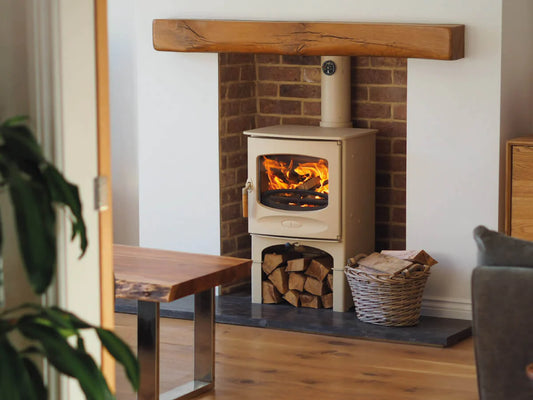
So if you're currently standing in front of your fireplace with a tape measure wondering “Will the beam be all right here?” The stove manufacturer's installation requirements are where you need to start. For anything you're uncertain about, speak to a competent stove installer who can assess the actual fireplace.
TB Tip: Planning a new fireplace? Work out the required stove clearances before settling on the position and dimensions of your oak fireplace beam. We regularly help customers choose the right beam for their fireplace, but the safe position needs to work with the requirements of the appliance and installation.
Are Oak Beams Fire Resistant?

This question often comes up alongside stove clearance, and there's an important distinction to make.
Oak is not fireproof. It is a combustible material.
A large, substantial piece of oak may behave differently when exposed to fire than a much smaller piece of timber, but that doesn't mean an oak beam can be treated as fire resistant when you're planning a fireplace or stove installation. If you're choosing an oak fireplace beam, the important thing isn't trying to find a beam that somehow makes the clearance requirements disappear. It's designing the fireplace so that the timber can be positioned safely in relation to the appliance.
That means considering:
- The stove manufacturer's instructions.
- Required distances from combustible materials.
- The position and projection of the beam.
- Fireplace construction.
- Any heat protection specified as part of the installation.
- Advice from your stove installer where required.
We'd always recommend sorting these details out before ordering your beam, particularly if space above the fireplace is limited.
What About Structural Oak Beams?

Structural oak needs slightly different consideration. If an oak beam forms part of the structure of a building, its fire performance may form part of the wider building design and Building Regulations requirements. That's something for the relevant designer, engineer or building professional to specify.
In other words, don't assume that because oak is thick and substantial, fire safety doesn't need to be considered.
What Other Changes Are Normal in an Oak Beam?
Cracking tends to get the most attention, but it's not the only thing customers notice after bringing real oak into their home. Quite often, the question isn't actually “What's wrong with my beam?” It's “Is this what oak is supposed to do?”
Here's a quick guide to some of the things you might notice.
|
What You've Noticed |
What's Happening? |
|
Small cracks or checks |
Often part of the natural movement of solid timber as it responds to its environment. |
|
The colour has changed slightly |
Natural oak can develop in tone with age and exposure to light. |
|
One beam has more knots than another |
Knots, grain and other natural characteristics vary from piece to piece. |
|
Two beams aren't exactly the same colour |
Natural tonal variation is expected in real European oak. |
|
A split has become more noticeable |
Existing character can develop as the timber continues to respond to its surroundings. |
|
The beam doesn't look perfectly uniform |
That's one of the fundamental differences between real oak and manufactured imitation timber. |
One of the things we've learned from working with oak is that expectations matter.
If you're expecting every surface to remain perfectly smooth, every beam to match and every knot to stay exactly as it was on delivery, natural oak probably has a few surprises waiting for you.
For many of our customers, that's exactly why they choose it!
From the Workshop: We don't try to make oak look like a manufactured material. The grain, knots and natural variation are part of what you're buying. Over time, your beam can develop further character of its own.
When Should I Be Concerned About Changes to an Oak Beam?

There is also a point where we'd rather you asked the question than simply assumed everything was normal. If you've noticed something that seems unusual, particularly significant movement, problems with the installation or concerns involving a structural oak beam, seek appropriate advice.
For a Traditional Beams product, you can always contact us if you're unsure about the appearance or finish of the timber. Photographs and details of what you've noticed can help us understand what you're looking at. For anything that could affect the structural integrity or safety of the building, you'll need an appropriately qualified professional to assess it in person.
Are Oak Beams Worth the Money?
We get this one too, particularly when customers are comparing solid oak with cheaper alternatives. We'd say the answer depends on what you actually want from the finished project.
If your only requirement is to cover a space with something that vaguely resembles timber, there are less expensive ways of doing it. Solid oak makes sense when the timber itself matters.
You're Getting Real Timber. There's a depth and variation to real European oak that is difficult to reproduce artificially. The knots aren't printed on and the grain doesn't repeat. Small variations between one section and another are genuine characteristics of the timber. For something as prominent as a fireplace beam or exposed architectural feature, that can make a significant difference to the finished room.
Oak Is Made to Age

One of the reasons people choose oak is the way it develops over time. Changes in colour, small splits and other signs of natural movement can all add to the character of the timber as it settles into its surroundings.
This works beautifully in older properties, where oak can feel as though it has always belonged, but it isn't limited to traditional interiors. We see oak used just as successfully in contemporary homes, where the natural grain and warmth of the timber can provide contrast against cleaner finishes and more modern materials.
An oak beam can also be maintained and refreshed over the years when needed. For many customers, that's an important part of its value. Rather than being a decorative feature chosen for how it looks on installation day, it's a natural material that can continue to become part of the room over time.
There are also occasions when a different type of oak product will be better suited to the project. If you're looking to conceal a structural steel, for example, an oak box beam can create the appearance and character of an exposed oak beam while being designed specifically to fit around the RSJ. It's always worth starting with what you need the timber to do and choosing from there.
Can I Stop an Oak Beam from Changing?
You can protect and care for an oak beam, but some natural change over time is to be expected.
Light, moisture, temperature and the conditions within the room can all influence natural timber. An appropriate finish will help protect the surface, while simple ongoing care can keep the beam looking its best, but neither is intended to prevent oak from ageing altogether.
The main things to remember are:
Natural variation is normal. Grain, knots and tone will differ between individual pieces of oak.
Colour can develop over time. Your beam may not remain exactly the same shade as when it was first installed.
Some movement can occur. Small cracks and checks can develop as solid timber responds to its environment.
The right care matters. Use products that are compatible with the existing finish and follow the relevant maintenance guidance.
We're here if you're unsure. If you have a question about the appearance or care of a Traditional Beams product, our team will be happy to advise.
For us, these changes are all part of choosing a natural material. An oak beam doesn't need to remain completely unchanged to continue looking beautiful in your home.
Still Have a Question About Your Oak Beam?
We've covered the questions that tend to come up most often, but every home and project is different. You might be deciding between finishes, working out the right beam for a fireplace or simply want to check something you've noticed in your oak.
If you're still planning your project, explore our oak beams to compare the different sizes, styles and finishes available. For a fireplace, our oak fireplace beams and supporting fireplace guides can help with everything from choosing the right proportions to planning your installation. If you're covering structural steel, our made-to-measure oak box beams provide another option.
And if you can't find the answer you need, just ask us. Our team works with oak every day and we're always happy to talk through your project, product or any questions you have about caring for your beam.