
Living With Oak Flooring: What to Expect and How to Look After It
One of the reasons people choose real oak flooring is that it doesn't have to stay looking exactly as it did on installation day. It gets walked on. Furniture moves across it. Daylight reaches some areas more than others. There might be the occasional dropped mug, muddy footprint or dog racing through the hallway.
That's normal life with a real timber floor.
Good quality oak flooring is made to last, but understanding how it behaves makes it much easier to look after. Some changes need attention, while others are simply part of owning a natural material.
Here's what you can realistically expect!
Before Your Oak Flooring Goes Down

Looking after an oak floor actually starts before installation.
Timber responds to the conditions around it, so your flooring should be given time to acclimatise to its new environment before it's fitted. Our general guidance is to allow at least 48 hours, although you should always follow the instructions supplied for your particular flooring.
Keep the packs in the room where the floor will be installed and make sure the space itself is ready. Wet plaster, decorating work or other sources of excess moisture should be dealt with beforehand.
We'll cover the full preparation process separately in our guide to preparing for oak flooring installation, but this stage shouldn't be rushed. Giving timber the right conditions from the beginning is part of looking after it.
The First Few Weeks

A newly installed oak floor tends to get a lot of attention.
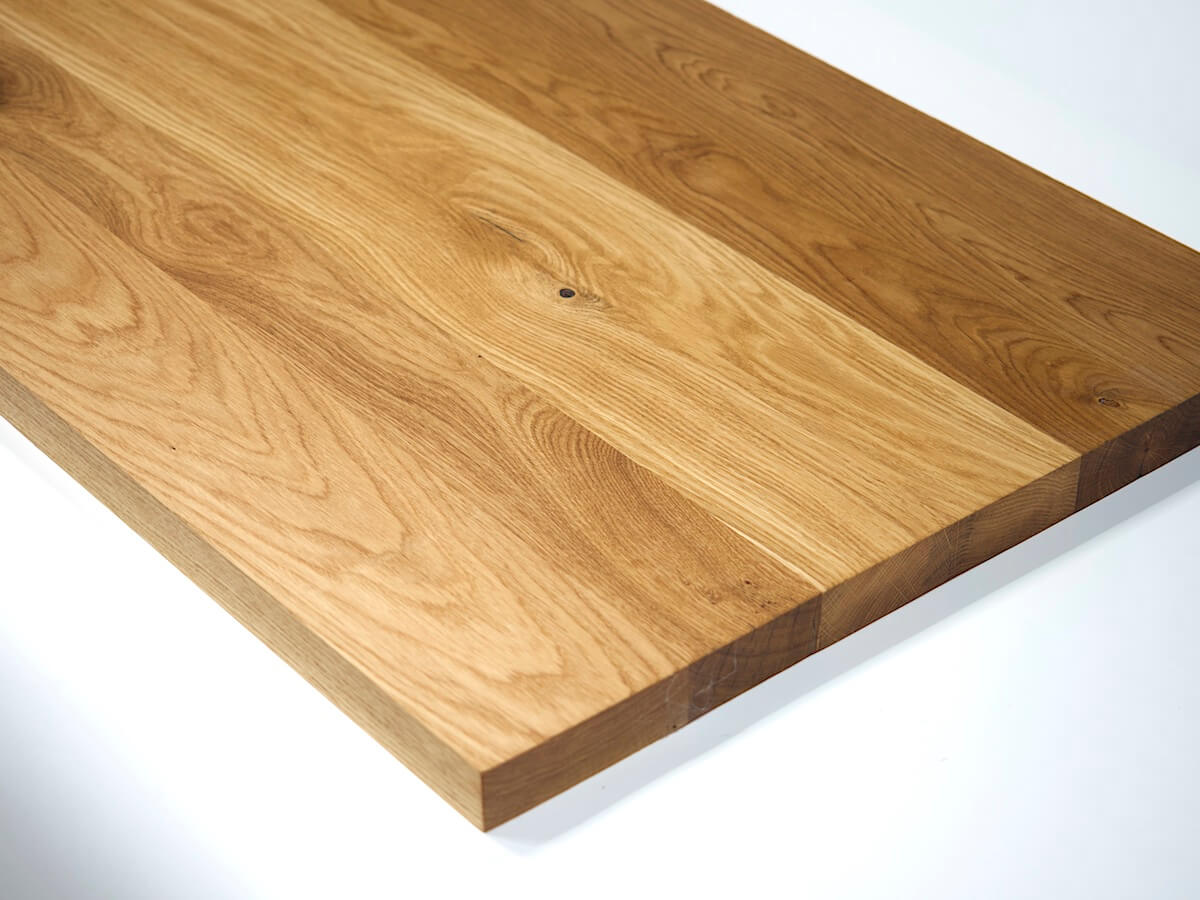
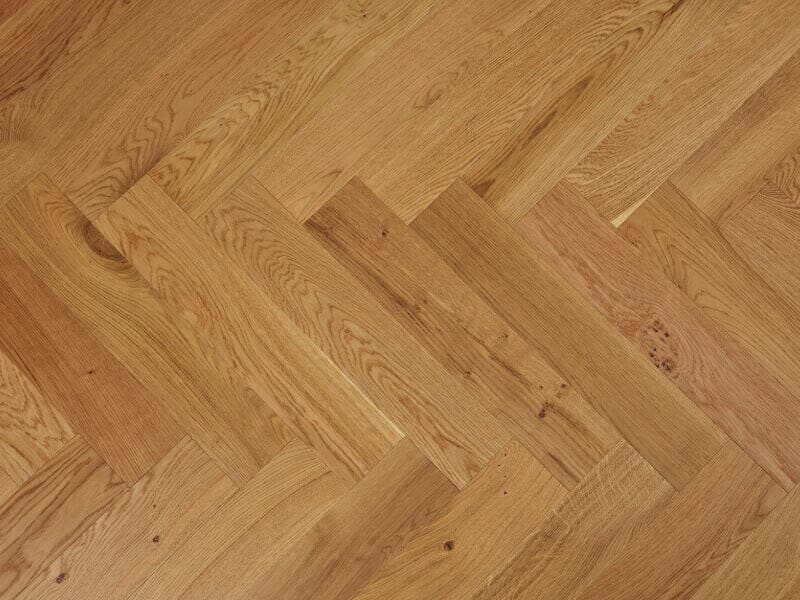
You notice every grain pattern. Every knot. Every slight change in tone between one board and the next. Then you start living on it! This is also when it becomes clearer why we encourage customers to expect natural variation rather than perfect uniformity. Real oak floorboards aren't printed copies of one another. Different sections of timber will have their own grain, knots and colour.
Once the whole floor is laid, those differences become part of its overall character.
Will Oak Flooring Change Colour?
Yes, some change over time is completely normal. Exposure to daylight and the surrounding environment can gradually alter the tone of real wood. How noticeable that change is will depend on the oak, its finish, the amount of natural light in the room and where furniture or rugs are positioned.
This usually happens gradually rather than overnight.
If a large rug or piece of furniture stays in exactly the same place for a long period, the oak underneath may receive less light than the surrounding floor. Moving rugs occasionally can help the floor age more evenly. You don't need to become obsessed with rearranging the room. Just be aware that natural timber doesn't exist in a permanently frozen state.
Everyday Cleaning Is the Easy Part

Oak flooring doesn't need an elaborate cleaning routine. Most of the time, the priority is simply removing the grit and dirt that gets carried into the house.
Small particles under shoes can act like an abrasive as people walk across the floor, so regular sweeping or vacuuming makes a real difference, particularly in entrance halls and other busy areas.
For everyday care:
- Sweep or vacuum regularly to remove grit and dust.
- Wipe up spills rather than leaving liquid sitting on the timber.
- Use cleaning products suitable for your particular floor finish.
- Avoid saturating the floor with water.
- Follow the maintenance instructions for an oiled, lacquered or otherwise treated surface.
The exact care routine can vary depending on the finish you've chosen, so we'd always check the product guidance rather than reaching for a generic floor cleaner.
What Happens If You Spill Something?
A dropped drink doesn't automatically spell disaster for an oak floor, the important thing is dealing with spills reasonably quickly.
Wipe the liquid away with a soft absorbent cloth and avoid leaving standing water on the boards. Pay particular attention to joins where moisture could potentially sit. This matters more in rooms such as kitchens, where splashes and spills are simply part of everyday life.
A properly selected and finished oak floor can cope with a busy home, but there's a difference between occasional contact with moisture and repeatedly allowing water to sit on timber. If you're choosing flooring for an area where moisture levels are likely to be consistently higher, check that the particular product is suitable before installation.
Will Oak Flooring Scratch?

It can. Oak is a hard-wearing timber, but hard-wearing doesn't mean impossible to mark.
Shoes, furniture, pets and everyday traffic can all leave their traces over enough time. The good news is that you can prevent a lot of unnecessary scratching without treating the room like a museum.
A Few Habits Make a Big Difference
Use entrance mats. Catching grit before it travels across the floor is one of the simplest ways to reduce surface wear.
Put pads under furniture. Felt or suitable protective pads underneath chair and table legs help prevent repeated movement from marking the surface.
Lift rather than drag. If you're moving heavier furniture, pick it up where possible rather than pulling it across the boards.
Keep an eye on high-traffic areas. Hallways, kitchen walkways and routes between doors naturally receive more use than the edges of a room.
Take sensible precautions with pets. Keeping claws trimmed and cleaning grit or mud from paws can help, particularly with larger or very active dogs.
And if a small mark eventually appears?
That's part of the difference between a floor that has been used and one that has been damaged. Real oak can develop signs of everyday life without losing what made you choose it in the first place.
Oak Flooring in a Busy Family Home

You don't need to save oak flooring for rooms nobody uses. Living rooms, kitchens and hallways are exactly where many people want real timber because those are the spaces they spend the most time in.
If you have children, pets or a generally busy household, we'd think about the finish and appearance of the floor as well as the timber itself. A very clean, uniform surface may make individual marks more noticeable. Flooring with natural grain, knots, texture and tonal variation can be more forgiving visually because there's already plenty happening across the timber.
That doesn't mean you have to choose the most rustic floor available. It simply means it's worth being realistic about how the room is going to be used.
The best floor for a busy home isn't necessarily the one that looks most perfect on the day it's fitted. It's the one you'll still be happy to live with once the room starts being properly lived in.
Does Oak Flooring Expand and Contract?

Oak is a natural material, so some response to changes in temperature and humidity should be expected. Homes tend to be warmer, cooler, drier or more humid at different points in the year. Timber can react to those changes by expanding or contracting slightly.
This is one reason proper acclimatisation, installation and suitable expansion allowances matter. It also means that a tiny amount of natural movement shouldn't immediately be treated as a fault.
Large or persistent gaps, lifting boards or significant movement are different. If something doesn't look right, speak to your installer rather than trying to force boards back into position or filling gaps without understanding why they've appeared.
Good to Know: If your oak flooring is being installed over underfloor heating, temperature changes need to be controlled carefully. Always follow the flooring and heating system guidance rather than turning the system straight up after installation.
Oiled and Lacquered Oak Need Slightly Different Care
Not every oak floor has the same surface finish, and that matters when it comes to maintenance.
Looking After Oiled Oak Flooring
Oil works with the appearance of the timber, helping to protect the surface while retaining a natural look and feel. Over time, an oiled floor may benefit from maintenance oil or another suitable treatment, particularly in the areas receiving the most traffic.
How often this is needed depends on the floor and how heavily it's used. Rather than treating maintenance as a fixed annual job, look at the condition of the surface. If it starts looking dry, worn or noticeably different in busy areas, it may be time to refresh it.
Looking After Lacquered Oak Flooring
Lacquer creates a protective coating over the surface of the timber. Routine care is still largely about keeping the floor free from grit, dealing with spills promptly and using suitable cleaning products. You shouldn't automatically apply oils or waxes intended for a different type of finish.
If the lacquer eventually becomes heavily worn or damaged, the floor may need more substantial refinishing rather than simply another coat of maintenance oil.
Whichever finish you've chosen, check what is already on the timber before applying anything new. Mixing incompatible products can create far more work than it solves.
When Does an Oak Floor Need More Than a Clean?

There's a big difference between a floor that's dirty and one where the surface finish has started to wear.
Cleaning should remove everyday dust, marks and grime. It won't restore a protective finish that has gradually worn away.
Signs that your floor might need some extra attention include:
- High-traffic areas looking noticeably duller than the rest of the room.
- The surface feeling dry or less protected.
- Scratches that go beyond light surface marking.
- Stains or marks that normal cleaning doesn't remove.
- An older finish becoming uneven through years of use.
What happens next depends on the flooring construction, finish and condition. Sometimes a maintenance treatment is enough. In other cases, a more substantial refresh may be appropriate. If you're unsure, find out exactly which floor and finish you have before reaching for the sander.
Can Oak Flooring Be Sanded and Refinished?
One of the major advantages of real oak flooring is its potential to be refreshed rather than automatically replaced when the surface becomes worn. Solid oak flooring offers considerable scope for refinishing because the board is oak throughout.
Many engineered oak floors can also be refinished because the visible surface is genuine oak. However, how much work is possible depends on the thickness of that oak wear layer and the construction of the individual product.
That means engineered doesn't automatically mean disposable, but neither should you assume every engineered board can be repeatedly sanded in exactly the same way as solid oak. Check the specification of your particular flooring before any major refinishing work begins.
Does Every Scratch Mean You Need to Sand the Floor?
Definitely not! Sanding is a much bigger intervention than routine cleaning or maintenance and a few light marks don't justify stripping back an entire floor. Depending on the finish and severity of the mark, smaller areas may be improved through appropriate maintenance or repair.
Full sanding and refinishing becomes more relevant when the surface is extensively worn, damaged or you're deliberately restoring an older floor. For anything more substantial, we'd recommend speaking to an experienced flooring professional.
What Will Oak Flooring Look Like in Ten Years?

There isn't one answer, and that's part of its appeal.
A well-used oak floor will probably tell you something about the home it's been in. Its colour may have developed. There may be subtle signs of wear in the busiest areas. Natural grain and knots that stood out when the floor was first installed may feel completely familiar.
With sensible care, those changes don't have to make the flooring look tired. Real wood has the advantage of being a material that can age, be maintained and, where appropriate, be refinished. You're not necessarily waiting for the day when the surface wears out and the whole thing has to be replaced.
That's one of the reasons oak has been used for floors for so long.
A Simple Oak Flooring Care Routine
You don't need to spend every weekend maintaining your floor. For most homes, a sensible routine is enough.
Regularly
- Sweep or vacuum away dust and grit.
- Deal with spills promptly.
- Keep entrance mats clean.
Every so often
- Check furniture pads for wear or trapped dirt.
- Look at the busiest parts of the floor for changes in the finish.
- Move rugs occasionally where practical.
- Use an appropriate cleaner when the floor needs more than dry cleaning.
Over the longer term
- Maintain an oiled surface when its condition indicates it needs refreshing.
- Address deeper damage rather than allowing it to worsen.
- Consider professional refinishing if the floor eventually becomes extensively worn.
- Always use products appropriate for the existing finish.
That's really the key to living with oak: regular, straightforward care rather than constant maintenance.
A Floor You Can Actually Live On

Real oak flooring will change. It may pick up the occasional mark. Its colour can develop and the busiest areas of your home will naturally see more use than the quietest ones. None of that means you need to be precious about it.
Choose a floor that suits the way you actually live, look after it sensibly and oak can continue to look good through years of everyday use.
You can explore our full oak flooring collection to compare solid and engineered oak, herringbone designs, classic boards and a wide choice of colours and finishes. If you're unsure which flooring or finish will suit the demands of your room, speak to the Traditional Beams team and we'll be happy to help you narrow down the options.